
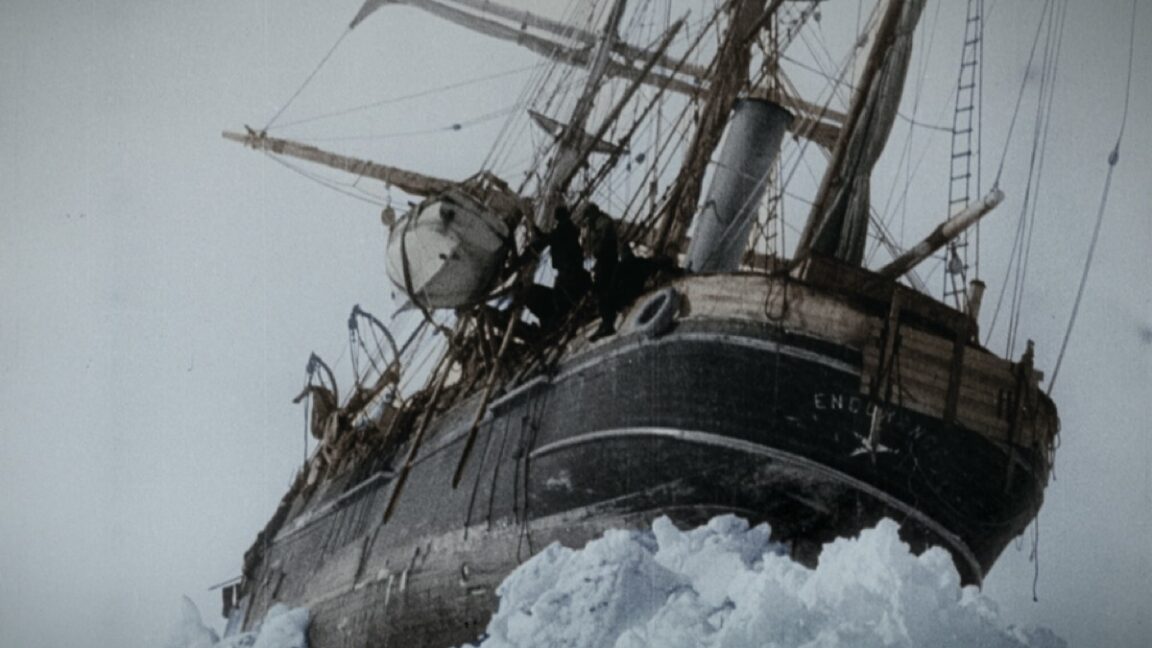
Shackleton Knew His Ship Was No Match for Antarctic Ice, New Research Reveals
LONDON - Ernest Shackleton knowingly sailed the ill-fated Endurance into conditions the vessel was not engineered to survive, according to research published in the journal Polar Record. The revelation comes as renewed attention focuses on the shipwreck itself, remarkably preserved in the frigid waters of the Weddell Sea and documented in a recent National Geographic film. While Shackleton’s leadership during the crew’s subsequent ordeal is legendary, the new findings suggest a calculated risk taken despite a clear understanding of the dangers.
The Endurance‘s sinking in 1915 has long been attributed to the unforgiving nature of the Antarctic habitat. Though, analysis by polar explorer and researcher Jukka Tuhkuri of Aalto University indicates Shackleton was likely aware the ship’s construction was vulnerable to the immense pressures exerted by pack ice. This understanding casts a new light on the expedition, prompting questions about the balance between ambition, risk assessment, and the pursuit of exploration in the early 20th century. The discovery of the Endurance in 2022 by the Endurance22 mission,found in “a brilliant state of preservation” as described by expedition director Mensun Bound,has spurred a re-examination of the events leading to its demise.
The Endurance departed Plymouth, England, on August 6, 1914, with Shackleton joining the crew in Buenos Aires, Argentina. By January 1915, progress through the Weddell Sea was severely hampered by accumulating pack ice and powerful gales. On January 24th,the ship became completely trapped,and Shackleton ordered the boilers shut down on February 15th,intending to allow the Endurance to drift with the ice until conditions improved.
For ten months, the crew endured brutal conditions. The ship ultimately succumbed to the relentless force of the ice in august, when floes crushed the decks. The remarkably intact state of the wreck, discovered by the Endurance22 expedition, is attributed to the unique environment, lacking the wood-eating microbes found in warmer waters. The findings underscore the extreme challenges faced by early Antarctic explorers and offer a deeper understanding of the fateful decisions that led to the Endurance‘s destruction.
