Severe Weather and Flooding Force Polling Location Changes Across US on Election Day
Flash flooding, tornadoes, and severe rainfall forced election officials to relocate polling places and scramble voting plans across multiple U.S. regions on Election Day, disrupting key races as storm systems tracked eastward.
Flash Floods Force Voting Shifts Across Florida Counties
Intense rainfall dumped as much as 22 inches of rain in 24 hours along Florida’s Atlantic coast, creating conditions that “exceeded everyone’s expectations,” as one forecaster put it. Voting sites had to be shifted across seven Florida counties—specifically Brevard, Highlands, Indian River, Martin, Okeechobee, Palm Beach, and St. Lucie counties—totaling a minimum of 18 polling locations relocated following impassable flash floods.
Gov. Ron DeSantis declared an emergency declaration covering seven Atlantic seaboard counties experiencing heavy downpours and severe precipitation and flash flooding. Forecasters issued a flood watch while noting that areas impacted by catastrophic flooding remained extremely sensitive to any additional rainfall, even as precipitation rates began to slow.
Tornado Destroys Oklahoma Polling Center
In Cimarron County, Oklahoma, a tornado packing peak winds of about 100 mph struck on Sunday, snapping tree branches, collapsing a wall, and damaging the roof of the Keyes Community Center. County election officials submitted an emergency request stating the tornado caused considerable structural damage that rendered the polling location unsafe, forcing a change in voting sites.
Severe storms also tracked across Texas and Arkansas overnight. Forecasters issued a tornado watch that remained in effect until approximately 2:45 a.m. local time on Tuesday. As the storm system continued to travel east, forecasters predicted additional flash flooding across Alabama, Tennessee, Arkansas, and Mississippi.

Emergency Voting Accommodations in Utah and Colorado
Historic flooding in the Four Corners region prompted Utah Lt. Gov. Deidre M. Henderson to declare a state of emergency. Henderson issued a special accommodation allowing voters in San Juan County who were isolated by floodwaters to request and return ballots electronically.
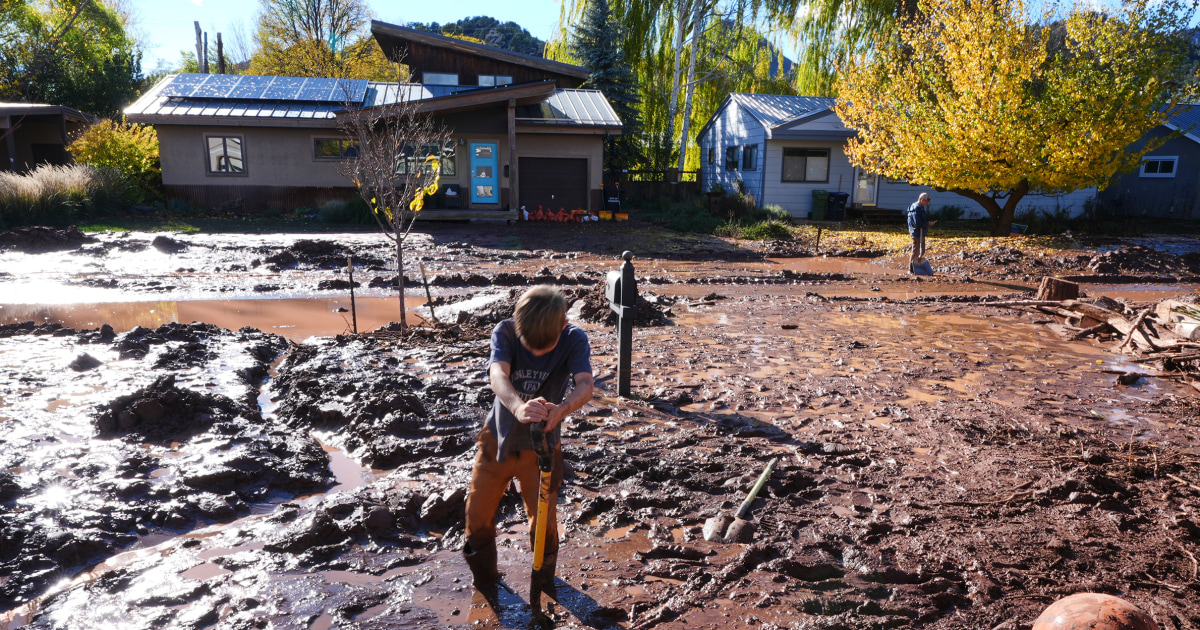
Colorado authorities implemented similar measures. The Colorado secretary of state is allowing votes online for voters in La Plata and Archuleta counties. Meanwhile, first responders utilized helicopters to search for stranded residents across Colorado, and people with homes along the Animas River in southwestern Colorado were facing evacuation following widespread heavy rain and flooding.
Power Outages and Temporary Closures Spark Online Claims
In Arizona, record rainfall triggered deadly flooding and power outages in usually dry areas. Maricopa County election authorities announced that two out of 254 polling locations temporarily closed due to power-related issues.
Although both polling locations have since been reopened, the brief disruptions fueled online conspiracy insinuations regarding the competitive swing state. Navajo and Coconino counties were recently placed under an emergency by Arizona Gov. Katie Hobbs, who followed up by putting out a statewide emergency declaration on Monday. Furthermore, President Donald Trump received formal requests from the governors of New Mexico and Colorado asking him to declare a major disaster to secure federal financial assistance.
Rain Reduces Voter Turnout by Nearly One Percentage Point per Inch
Weather disruptions have historically suppressed voter turnout, though the magnitude of the effect changes over time. Brad Gomez, an associate professor of political science at Florida State University, noted that historical research covering elections from 1948 to 2000 indicated a modest drop in participation during unusually intense rainstorms.
What we found was that for every inch of rain that a county received above its average amount of rainfall, voter turnout went down about eight-tenths of 1 percentage point,
Gomez said.
Analysts highlighted that severe weather’s dampening influence on voter participation is shrinking as time goes on because of the growing popularity of mail-in and early voting options, noting simultaneously that determining what impact—if any—the adverse weather will exert on pivotal contests remains a challenge.