Severe solar storm triggers aurora alerts across Poland, PolsatNews.pl reports
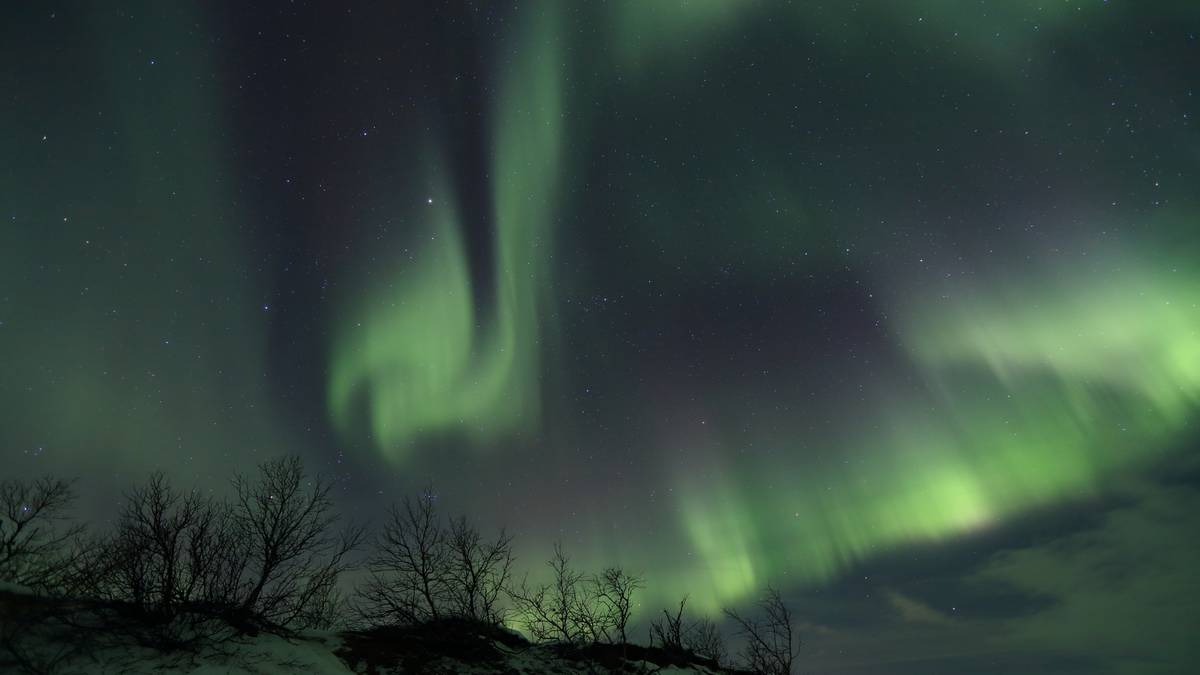
A severe solar storm struck Earth’s upper atmosphere, triggering geomagnetic alerts across Europe and offering northern regions of Poland a visible aurora borealis, PolsatNews.pl reported.
Plasma Cloud Travels Toward Earth at 560 Kilometers per Second
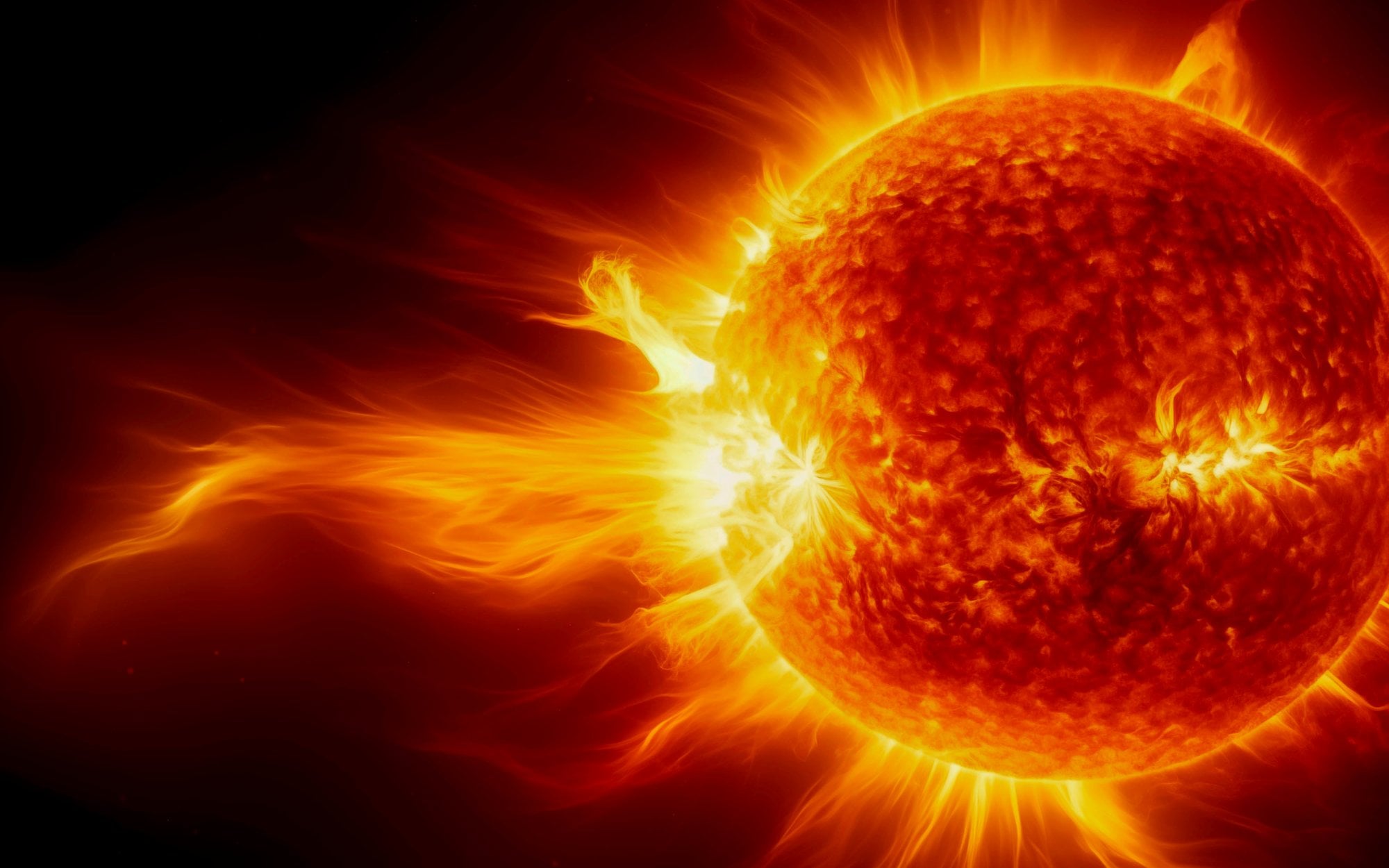
The activity stems from a powerful solar flare and coronal mass ejection that occurred on the morning of October 6, according to Rzeczpospolita. The outburst originated from an active sunspot designated as AR4549, which sat near the center of the solar disk facing Earth. Observers at the Belgian Centre for Solar Weather Data (SIDC) tracked the resulting plasma cloud traveling through space at approximately 560 kilometers per second.
Computer models initially projected the arrival of the coronal mass ejection for the early morning hours of October 9, UTC time. The U.S. Space Weather Prediction Center (SWPC) issued a moderate G2-level geomagnetic storm watch for that day, corresponding to a Kp index of 6. This level of activity historically pushes auroral displays toward lower geographic latitudes, matching sightings recorded in American states such as New York and Idaho during past events.
G3-Class Storm Makes Northern Lights Visible Across Poland
By the night of October 10, activity escalated further. NASA and NOAA warned that a strong G3-class geomagnetic storm was sweeping across the upper atmosphere, as reported by TwojaPogoda.pl.
This heightened intensity allowed residents across Poland’s northern voivodeships to spot colorful displays of the northern lights on the northern horizon. Forecasters indicated the storm could expand its visibility range across the entire country, stretching from the Baltic coast down to southern mountain peaks.
Clear Skies in Northwest Poland Enable Unobstructed Views
Weather conditions determined how well observers could see, creating a contrast across regions. While much of the country remained blanketed by clouds and rainfall, the northwestern sector experienced clear skies.
Observers along the Baltic coast, across Pomerania, and in parts of northern Greater Poland and Kuyavia enjoyed unobstructed views of the night sky during the peak of the solar wind stream.

Active Sunspots May Trigger More Plasma Impacts
The sunspot region that drove the initial outbursts, alongside neighboring region AR4545, maintained high levels of activity following the initial event. Rzeczpospolita noted that these regions also produced M-class flares, leaving open the possibility of additional plasma impacts.
Coronal holes directed toward Earth are expected to deliver further streams of fast solar wind, with scientists pointing to October 11 as the next period of heightened geomagnetic activity. TwojaPogoda.pl added that a subsequent wave of charged particles is projected to reach Earth during the night of October 11 and into October 12, providing another potential window for auroral displays.
These space weather events coincide with the broader solar cycle, as the Sun approaches the peak of its approximately 11-year cycle of activity. Researchers anticipate that high solar output will continue through 2028, increasing the frequency of large flares and potential auroral events. At the same time, intense geomagnetic storms carry operational risks, including potential satellite damage, communication disruptions, and power grid fluctuations, according to TwojaPogoda.pl.