
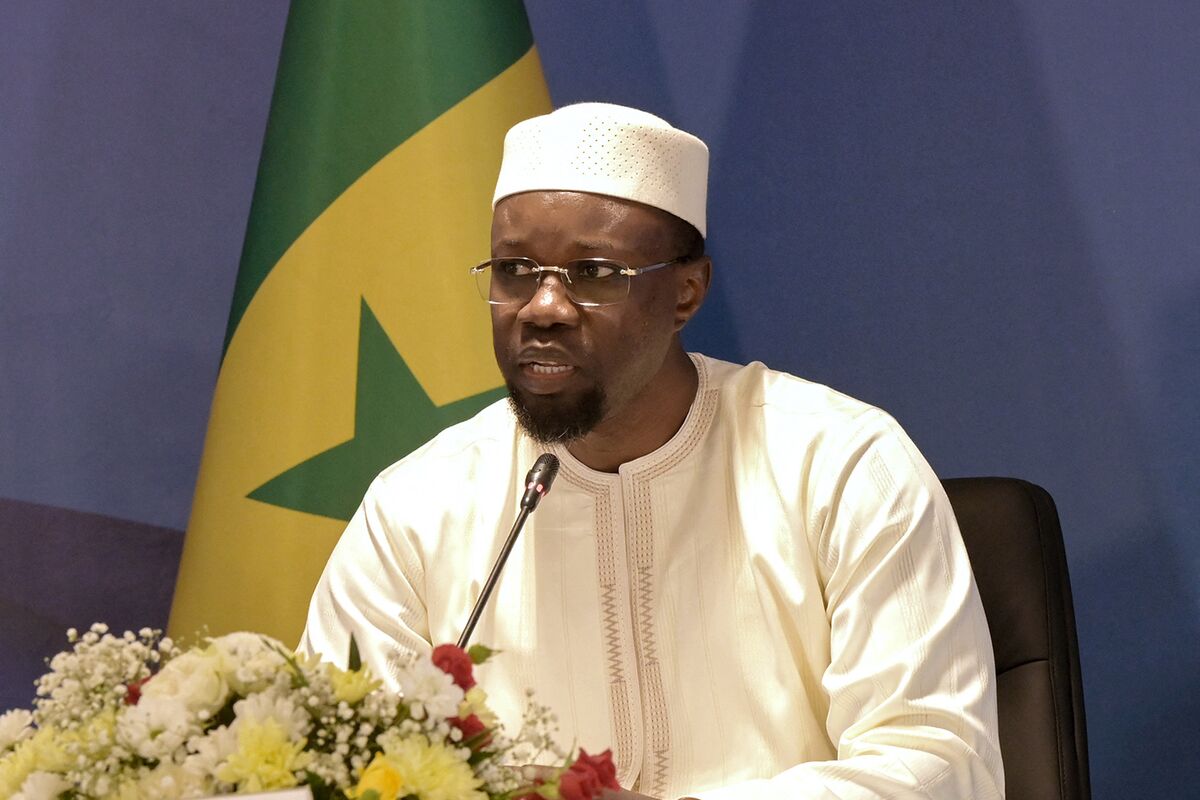
Senegal Rejects Debt restructuring, Bonds Surge Amid Domestic Funding Shift
Dakar, Senegal – January 10, 2026 – Senegal’s dollar-denominated bonds experienced a notable surge in value following Prime Minister Ousmane Sonko’s firm reiteration of the nation’s rejection of external debt restructuring. Sonko has stated Senegal will prioritize domestic markets to cover its budgetary needs and debt obligations, a move signaling a shift in the country’s financial strategy.
the Rejection of Debt Restructuring
prime Minister Sonko’s stance represents a departure from the typical approach of many African nations grappling with considerable debt burdens. Rather than seeking relief through negotiations with international creditors – often involving extended repayment terms or reduced principal – Senegal intends to rely on its internal financial resources. This decision,while potentially risky,reflects a desire for greater financial sovereignty and control over its economic destiny.
The initial reaction from investors has been positive, as evidenced by the jump in bond prices. This suggests confidence in Senegal’s ability to manage its finances independently, at least in the short term. However, the long-term implications of this strategy remain to be seen.
Understanding Senegal’s Debt Situation
Senegal’s debt situation, while not currently considered a crisis, has been a growing concern. Like many developing nations, the country accumulated debt to finance infrastructure projects and economic growth initiatives. As of late 2025, Senegal’s total external debt stood at approximately $8.5 billion, with a significant portion denominated in US dollars. This makes the country vulnerable to fluctuations in exchange rates and global interest rate hikes.
The country’s debt-to-GDP ratio has been steadily increasing, prompting calls for restructuring from some international financial institutions. However,the Sonko administration believes that a domestic-focused approach is more enduring and less damaging to the nation’s creditworthiness in the long run.
The Appeal of Domestic Funding
Several factors likely contribute to Senegal’s confidence in its ability to fund its budget domestically. These include:
- A Relatively Stable Economy: Senegal has historically maintained a relatively stable economy compared to some of its regional peers.
- Growing Domestic Investor Base: The country has seen a growth in its domestic investor base,including pension funds and insurance companies,with the capacity to absorb government debt.
- Resource Potential: Senegal’s recent oil and gas discoveries offer the potential for increased revenue streams that can be used to service debt.
Impact on Bond Markets and Investor Sentiment
The immediate impact of Sonko’s proclamation was a surge in the price of Senegal’s dollar bonds. This is as investors perceived the rejection of restructuring as a sign of strength and a commitment to honoring existing debt obligations. A higher bond price translates to lower yields, making it cheaper for Senegal to borrow in the future – should it choose to do so.
though, analysts caution that this positive sentiment may not last indefinitely. The success of Senegal’s strategy hinges on its ability to consistently attract sufficient domestic funding and maintain economic stability. Any significant economic downturn or political instability could quickly erode investor confidence.
Challenges and risks Ahead
While Senegal’s approach is bold, it is not without its challenges. Relying heavily on domestic funding can:
- Crowd Out Private Sector Investment: Government borrowing can compete with private sector businesses for access to capital, potentially hindering economic growth.
- Increase Domestic Interest Rates: Increased demand for domestic debt can drive up interest rates, making it more expensive for businesses and individuals to borrow money.
- Limit Fiscal Flexibility: A reliance on domestic funding may limit the government’s ability to respond to unexpected economic shocks.
Furthermore, the success of the strategy is tied to the effective management of newly discovered oil and gas resources. Delays in production or unfavorable market conditions could significantly impact Senegal’s ability to generate the revenue needed to service its debt.
Regional implications and Future Outlook
Senegal’s decision to eschew traditional debt restructuring could have broader implications for other African nations facing similar challenges. It presents an option model – one that prioritizes self-reliance and domestic resource mobilization. Though, it is indeed a model that requires a strong and stable economy, and also effective governance and resource management.
Looking ahead, Senegal’s economic performance will be closely watched by investors and international financial institutions. The country’s ability to successfully navigate this new path will be a crucial test of its economic resilience and its commitment to sustainable development.
Key Takeaways
- Senegal has rejected external debt restructuring, opting to rely on domestic funding sources.
- The announcement led to a surge in the price of Senegal’s dollar bonds, indicating initial investor confidence.
- the strategy carries risks, including potential crowding out of private investment and increased domestic interest rates.
- Senegal’s success depends on its ability to manage its economy effectively and capitalize on its natural resource potential.
