
Senegal Nears Banana Self-Sufficiency Amidst Production Gains
Table of Contents
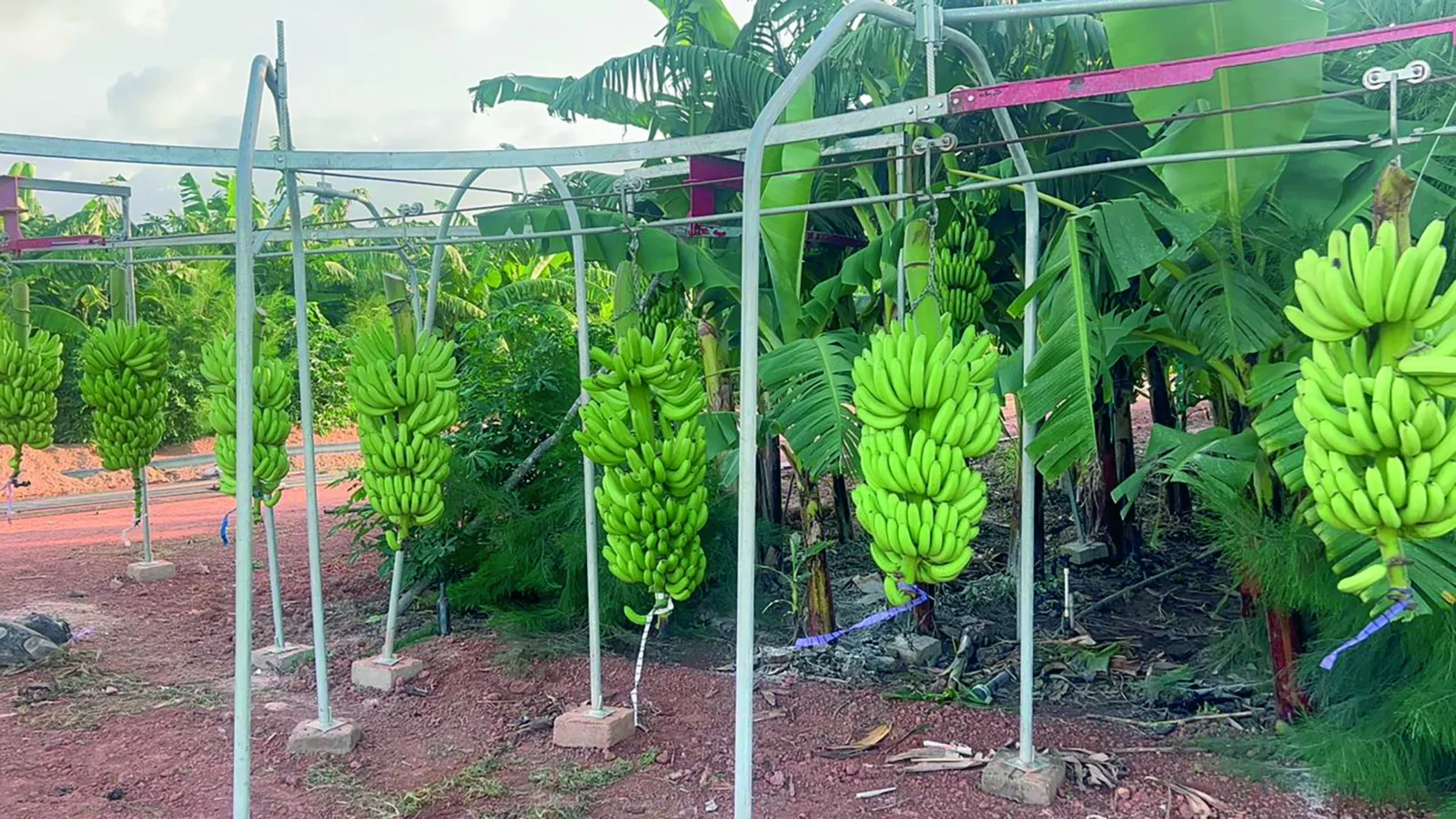
Dakar,Senegal – Senegal is poised to considerably reduce its reliance on imported bananas,with a strategic plan underway to achieve national self-sufficiency by 2029. Despite considerable losses due to adverse weather conditions in 2024, the nation’s banana production reached 72,350 tonnes, demonstrating a commitment to bolstering local agriculture.
2024 Production and Import Data
In 2024, Senegal’s banana plantations yielded 72,350 tonnes, a figure tempered by losses of 37,500 tonnes attributed to unfavorable weather patterns. National consumption of bananas is estimated at 101,993 tonnes,resulting in 29,643 tonnes being imported to meet demand.
Did You Know?
Senegal, officially the Republic of Senegal, is located in West Africa and borders Mauritania, Mali, Guinea, and Guinea-Bissau [[1]].
Seasonal Production Trends
Data reveals a particularly strong production period between September and december, where local plantations supplied nearly 40,000 tonnes of bananas. During this peak season, imports decreased to less than 10,000 tonnes, highlighting the potential for increased domestic supply. This shift underscores the effectiveness of ongoing agricultural initiatives.
Government Initiatives and Future Projections
the Ministry of Agriculture, Food Sovereignty and Breeding (MASAE) released data reinforcing Minister Mabouba diagne’s confidence in Senegal’s path toward self-sufficiency. ”In four months, the losses recorded exceeded the volumes imported over the same period,” Minister Diagne stated, emphasizing the need for improved preservation and value-added processing of the harvest.
looking ahead, the government has projected a banana production target of 112,500 tonnes for 2025. Cooperatives and agricultural groups have been asked to outline their needs for vitro-pasting,a technique used for rapid plant propagation.
Pro Tip:
Vitro-pasting is a crucial technique for increasing banana yields and ensuring disease-resistant crops.
Strategic Collaboration
A strategic meeting involving the Ministry of Commerce and the Senegalese Institute for Agricultural Research (ISRA) is planned to coordinate efforts. Moreover, a workshop will be held alongside the Africa Food Systems (AFS) summit to finalize the national banana self-sufficiency strategy. this collaborative approach aims to secure funding and support for cooperatives, minimize post-harvest losses, and progressively replace imports with locally grown bananas.
| Year | Total Production (Tonnes) | Losses Due to Weather (Tonnes) | Imports (Tonnes) | National Consumption (Tonnes) |
|---|---|---|---|---|
| 2024 | 72,350 | 37,500 | 29,643 | 101,993 |
| 2025 (Projected) | 112,500 | – | – | 101,993 |
Will Senegal achieve its ambitious goal of banana self-sufficiency by 2029? What further investments are needed to support local farmers and minimize crop losses?
Context: The Importance of Agricultural Self-Sufficiency
Agricultural self-sufficiency is a critical component of economic stability and food security for many nations, particularly in West africa. Reducing reliance on imports strengthens local economies,creates jobs,and protects against global market fluctuations.Senegal’s focus on banana production aligns with broader African Union initiatives to promote intra-African trade and agricultural growth. According to the Food and Agriculture Institution of the United Nations (FAO), investing in agricultural research and infrastructure is essential for achieving enduring food systems [[FAO Website]].
Frequently Asked Questions
- What is Senegal’s current level of banana self-sufficiency? senegal currently imports a portion of its banana consumption, but is actively working towards full self-sufficiency.
- What are the main challenges to banana production in Senegal? Adverse weather conditions and post-harvest losses are the primary challenges.
- What is the government doing to support banana farmers? The government is providing funding, promoting vitro-pasting techniques, and facilitating strategic collaborations.
- What is the target date for achieving banana self-sufficiency? The target date is 2029.
- How will the AFS summit contribute to this goal? The summit will be used to finalize the national banana self-sufficiency strategy and secure funding.
We invite you to share this article with your network and join the conversation in the comments below. Don’t forget to subscribe to our newsletter for the latest updates on global agricultural trends and economic developments.
