Senators Urge CFTC Crackdown on Prediction Markets Amid Wildfire Betting Controversy
On August 4, 2026, a group of nine Democratic senators sent a formal letter to Commodity Futures Trading Commission (CFTC) Chair Michael Selig, demanding immediate federal action to prohibit prediction markets from offering financial contracts tied to destructive wildfires. The lawmakers warn that wagering on climate-fueled disasters commodifies human suffering and creates dangerous incentives for arson and insider trading.
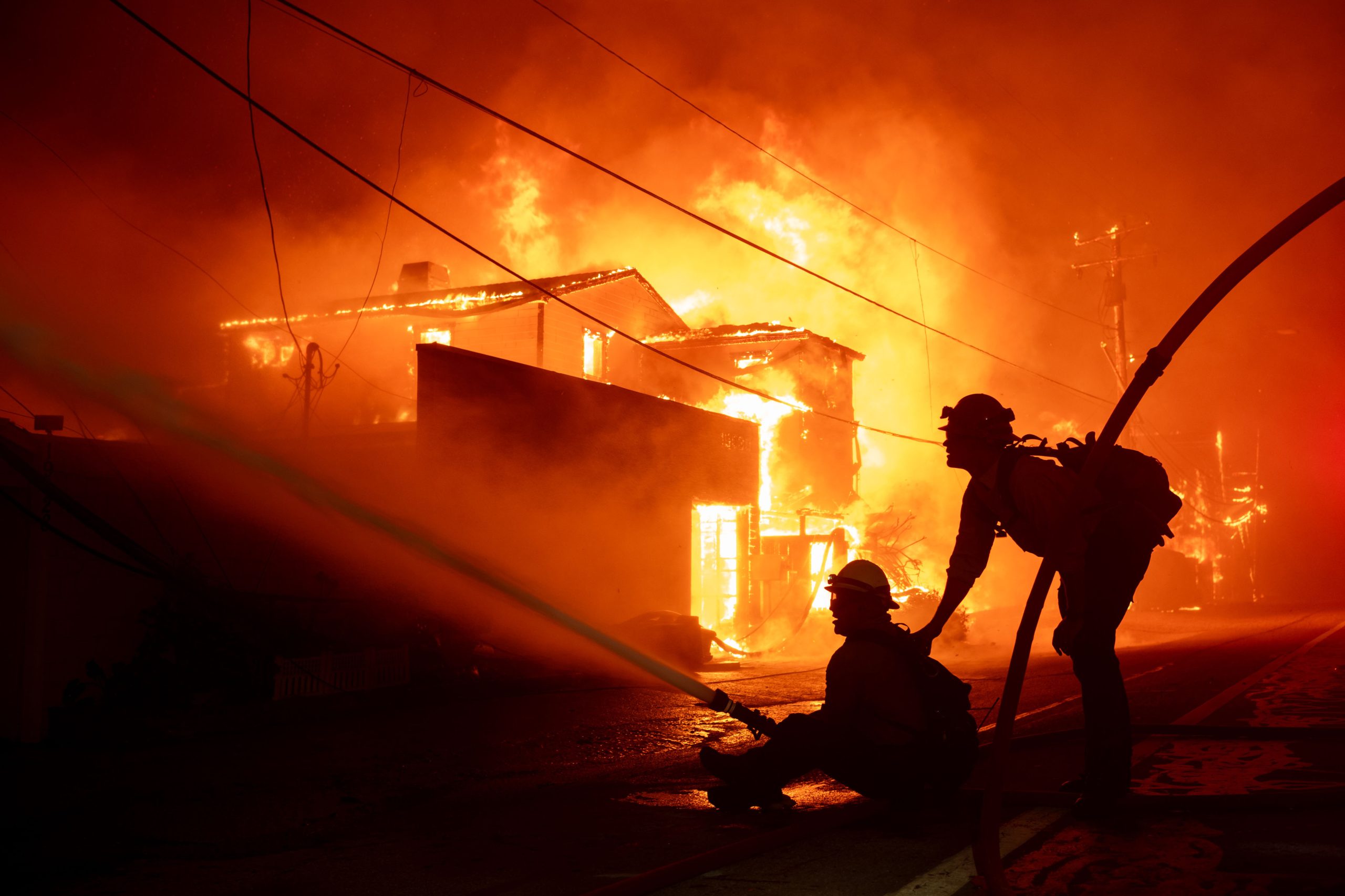
The push by federal lawmakers comes amid an increasingly severe wildfire season across the Western United States. According to the congressional letter, Polymarket accepted more than $1.2 million in wagers surrounding the Palisades and Eaton fires in January 2025. Those specific disaster events devastated the Los Angeles area, claiming 31 lives and destroying over 16,000 structures.
Senate signatories on the letter include Sens. Jeff Merkley of Oregon, Alex Padilla of California, Jeanne Shaheen of New Hampshire, Adam Schiff of California, Jacky Rosen of Nevada, Catherine Cortez Masto of Nevada, Martin Heinrich of New Mexico, Ron Wyden of Oregon, and Amy Klobuchar of Minnesota. These officials argue that allowing contracts on active disasters threatens to minimize community suffering for the financial gain of speculators.
Regulatory Oversight and the Fight Over Event Contracts
The controversy centers on how federal and state regulators classify modern prediction platforms. The CFTC controversially considers platforms like Polymarket and Kalshi to be designated contract markets (DCMs), placing them under federal agency purview rather than state gambling regimes. The commission is currently developing nationwide rules regarding these financial instruments.
In their letter, the senators pressed Chair Selig on whether the agency plans to prohibit DCMs from offering event contracts on wildfires. They also questioned whether the CFTC has concrete enforcement strategies to address similar contracts proliferating on offshore markets.
The federal inquiry follows parallel legal action at the state level. New York Attorney General Letitia James announced a lawsuit targeting Polymarket competitor Kalshi, accusing the platform of operating as an illegal gambling operation in direct violation of state constitution and penal laws.
Industry Response and the Debate Over Market Information
Defending its platform operations, Polymarket issued a statement to Claims Journal asserting that public demand for information drives traffic during major crises. “When tragedy unfolds, people turn to the news for commentary and to Polymarket for information,” the company stated, adding that removing these markets “does not prevent a tragedy” but merely restricts timely, market-based data access.
Consumer advocacy organizations have sharply criticized the regulatory approach taken toward these platforms. Eric Naing, communications director for the Demand Progress Education Fund, argued that labeling a sports or disaster wager as an “event contract” fails to transform it into a legitimate risk-management tool.
The CFTC faces mounting pressure to establish clear guardrails before additional U.S.-based designated contract markets attempt to introduce disaster-related financial products. As record-breaking fire seasons continue to threaten regional stability, federal regulators must decide whether the expansion of disaster speculation serves the public interest.