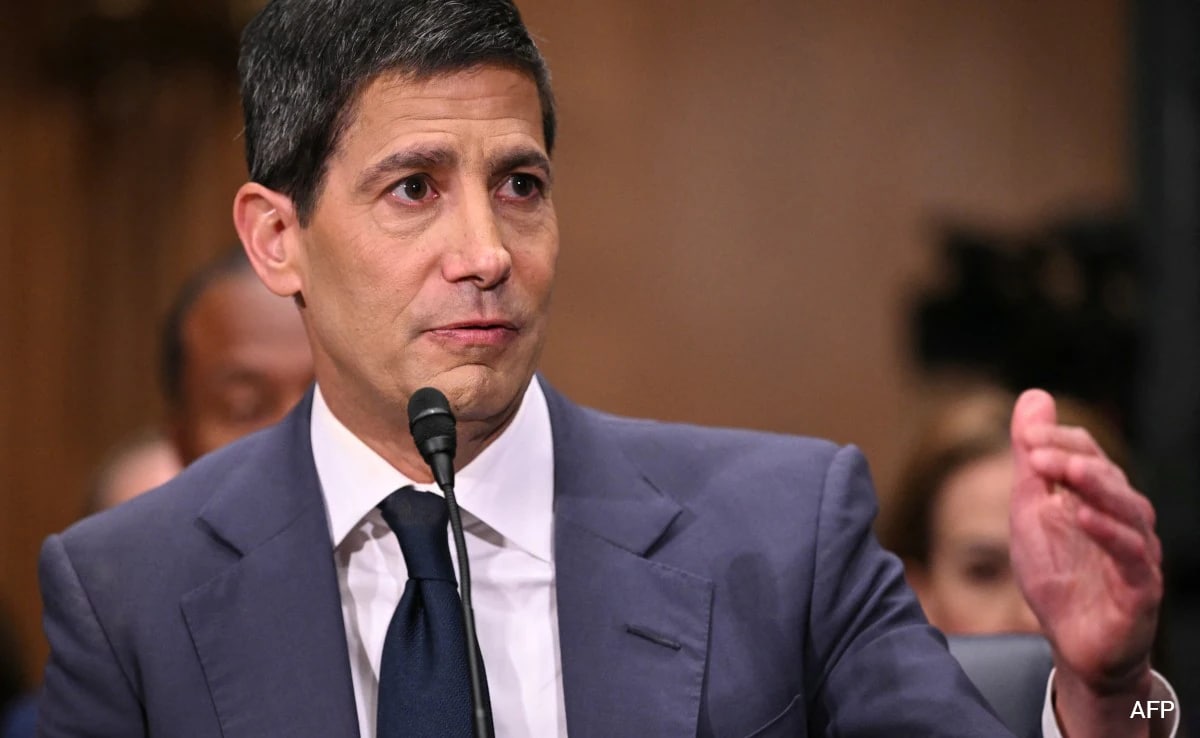
Senate Confirms Kevin Warsh as Federal Reserve Chair
The United States Senate has confirmed Kevin Warsh as the Chair of the Federal Reserve following a 54-45 vote. The appointment marks a strategic shift in U.S. Monetary policy, as Warsh aligns with the administration’s advocacy for lower interest rates to stimulate economic growth and reduce borrowing costs nationwide.
This transition at the helm of the world’s most powerful central bank is more than a change in personnel; it is a signal to global markets that the era of restrictive monetary policy may be drawing to a close. When the Federal Reserve pivots toward lower rates, the shockwaves are felt instantly—from the trading floors of Manhattan to the small-business corridors of the Midwest.
The central problem now facing American enterprises is volatility. A sudden shift in interest rate trajectories can render existing corporate debt structures inefficient and disrupt long-term capital expenditure plans. For many, the immediate priority is no longer just surviving inflation, but recalibrating for a low-rate environment that could trigger a new wave of borrowing and investment.
The Macroeconomic Pivot: Lower Rates and Their Consequences
The alignment between Kevin Warsh and the executive branch on interest rates suggests a departure from the cautious, inflation-fighting stance of previous years. By advocating for lower rates, the Federal Reserve aims to lower the cost of capital, making it cheaper for businesses to expand and for consumers to finance large purchases.
However, this strategy is a double-edged sword. While lower rates can ignite economic activity, they risk reigniting inflationary pressures if the economy overheats. The Federal Reserve operates under a “dual mandate” from Congress: to promote maximum employment and maintain stable prices. Balancing these two often contradictory goals is the primary challenge Warsh will face.
For corporations, this shift requires an immediate audit of their balance sheets. Companies that locked in high-interest loans during the previous cycle may now find themselves overpaying for capital. Navigating these refinancing opportunities requires precision. Many firms are now turning to certified corporate financial advisors to restructure their debt and optimize their cash flow for the new regime.
The impact is not uniform. While growth-oriented sectors like tech and real estate typically thrive when rates drop, the banking sector—particularly regional banks that rely on net interest margins—may face compressed profits.
Regional Economic Anchoring: From Wall Street to Main Street
The confirmation of Warsh will be felt most acutely in financial hubs like New York City and Charlotte, where the proximity to banking headquarters makes every Fed announcement a market-moving event. In these jurisdictions, the shift toward lower rates often triggers a surge in merger and acquisition (M&A) activity, as the cost of financing buyouts decreases.
Beyond the financial centers, the “Main Street” economy stands to gain in the short term. Lower rates typically translate to lower mortgage rates, which can revitalize stagnant housing markets in suburban regions and rural townships. This creates a trickle-down effect: more home buying leads to more construction, which in turn boosts local employment in the trades.
“A shift toward lower interest rates is a catalyst for regional development, but it requires a sophisticated approach to risk management to ensure that growth is sustainable and not merely a bubble driven by cheap credit.”
This environment of rapid transition creates a legal and regulatory minefield. As companies rush to capitalize on lower rates through new loans or acquisitions, the complexity of compliance increases. To shield themselves from future volatility, developers and executives are increasingly consulting specialized commercial law firms to ensure their new contracts are resilient to future policy swings.
Comparative Impact: Interest Rate Environments
To understand the magnitude of this shift, it is essential to compare the operational realities of a high-rate environment versus the low-rate environment Warsh is expected to foster.
| Economic Indicator | High-Rate Environment (Previous) | Low-Rate Environment (Projected) |
|---|---|---|
| Corporate Borrowing | Expensive; focus on debt reduction | Cheap; focus on expansion and M&A |
| Consumer Spending | Constrained by high credit costs | Stimulated via cheaper loans/mortgages |
| Inflation Risk | Lowered via demand suppression | Increased risk of overheating |
| Equity Markets | Valuations pressured by discount rates | Generally bullish for growth stocks |
The transition is rarely seamless. The “lag effect” of monetary policy means that the decisions Warsh makes today may not fully manifest in the economy for six to eighteen months.
The Institutional Stakes
Warsh’s confirmation comes at a time of heightened scrutiny regarding the independence of the Federal Reserve. The tension between political desires for low rates and the central bank’s need to maintain price stability is a classic economic conflict. If the markets perceive the Fed as too subservient to political pressure, the U.S. Dollar could face volatility on the global stage.
Investors are closely watching the Federal Reserve’s official communications for any signs of how the transition will be managed. The goal is a “soft landing”—lowering rates enough to spark growth without triggering a return of the runaway inflation that plagued the early 2020s.
For those managing large portfolios or municipal budgets, the uncertainty is the greatest enemy. Local governments, which rely on bond markets to fund infrastructure projects, must now decide whether to issue new debt now or wait for rates to bottom out. This strategic ambiguity makes the role of municipal financial consultants indispensable in the current climate.
The confirmation of Kevin Warsh is not merely a political victory for the administration; it is a fundamental recalibration of the American economic engine. Whether this pivot leads to a sustainable era of prosperity or a precarious cycle of inflation depends entirely on the precision of the Fed’s execution.
As the financial landscape shifts, the gap between those who react and those who prepare will widen. The ability to find verified, expert guidance in an era of volatility is no longer a luxury—it is a survival requirement. For those seeking the professionals capable of navigating this new monetary era, the World Today News Directory remains the definitive resource for connecting with vetted global experts.