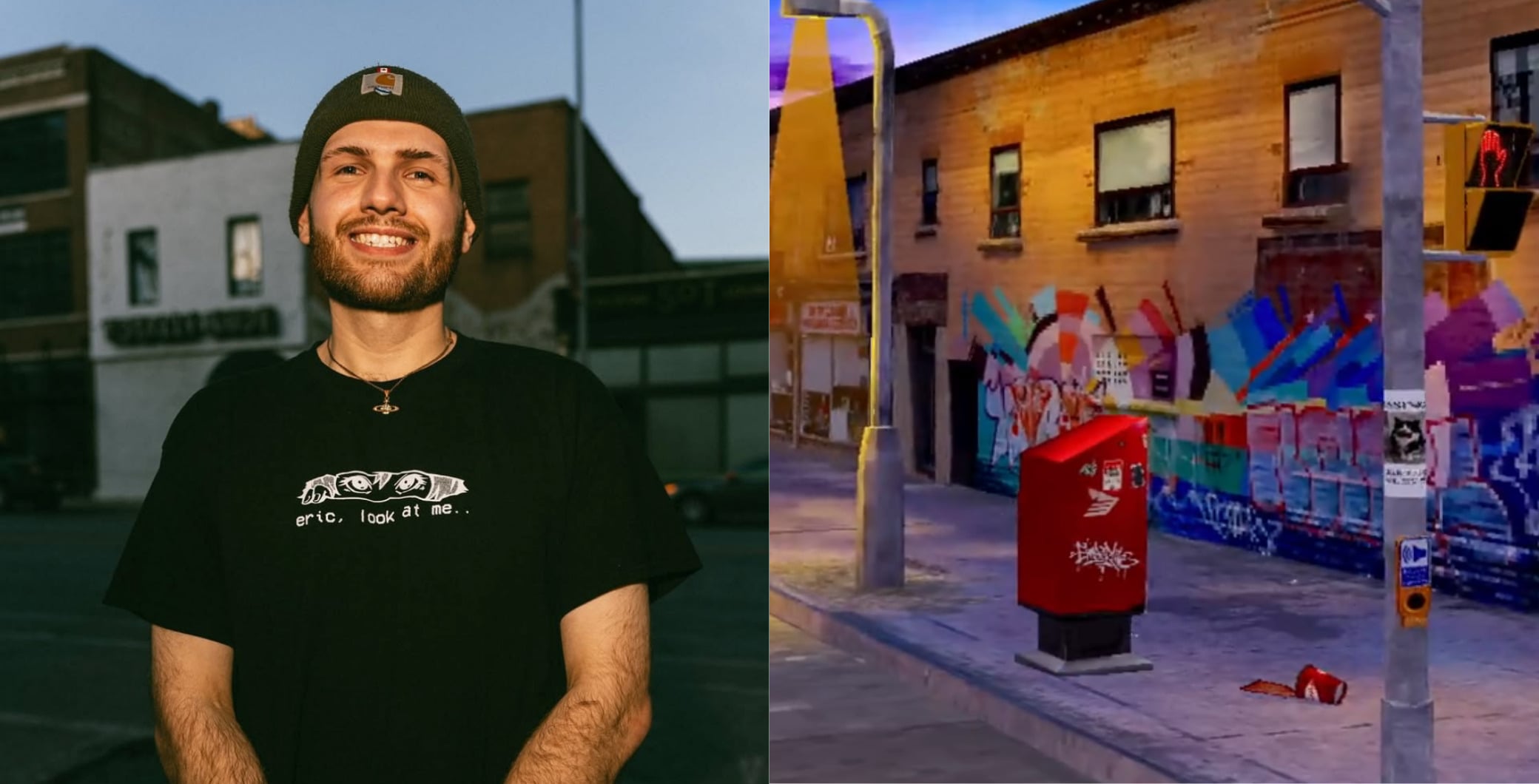
Self-taught animator goes viral for turning Toronto streets into retro video game-style landscapes
Eric Godlow, a Burlington-based musician turned self-taught animator, has captured hundreds of thousands of views by rendering Toronto streets into retro 2000s video game landscapes. Facing creative burnout, Godlow utilized Blender to build nostalgic 3D assets, now aiming to develop a full open-world game. This pivot highlights the 2026 convergence of independent digital art and major studio IP strategies.
The line between independent creator and studio asset has never been thinner. In the shadow of Dana Walden’s recent unveiling of a unified Disney Entertainment Leadership Team spanning film, TV, streaming and games, the industry is hunting for proprietary worlds that can survive across all four quadrants. Enter Eric Godlow, operating under the moniker emberlite, who accidentally stumbled into this exact crosshair while trying to escape musician’s writer’s block. His viral success isn’t just a cute social media moment; it is a case study in rapid IP prototyping within the creator economy.
The Economics of Nostalgia and Labor
Godlow’s process is brutally inefficient by traditional studio standards, yet perfectly aligned with the high-fidelity demands of modern audiences. Each ten-second animation requires roughly 20 to 30 hours of modeling, lighting, and texturing. He builds everything from the ground up using Blender, relying on YouTube tutorials rather than formal education. This DIY ethos mirrors a broader shift in the labor market. According to the U.S. Bureau of Labor Statistics, occupations in arts, design, entertainment, sports, and media are evolving to require hybrid skill sets that blend technical proficiency with cultural literacy.

The output resembles the early-2000s aesthetic of the PlayStation 2 era, a deliberate choice that leverages millennial nostalgia as a brand equity multiplier. Godlow notes that the Victorian-era architecture of Toronto provides a unique visual fingerprint compared to his native Winnipeg. This specificity matters. In an era where global streaming platforms are desperate for localized content that travels well, a hyper-specific digital twin of Toronto offers a ready-made setting for narrative expansion. The audience reaction confirms the demand: comments flood in from expats feeling homesick, signaling a built-in market for any future commercial release.
“The convergence of streaming and gaming is no longer theoretical. When leadership structures merge film and games under one creative umbrella, independent creators who understand both languages become the most valuable assets in the room.”
This strategic alignment was codified in March 2026, when Deadline reported on Walden’s latest leadership structure designed to break down silos between divisions. For a creator like Godlow, this structural shift means his 3D assets are not just art; they are potential franchise starters. However, moving from viral clips to a commercial open-world game introduces significant logistical friction.
Intellectual Property and the Legal Minefield
Godlow’s goal to create an open-world video game set in Toronto introduces complex intellectual property challenges. While he owns the code and the specific 3D models he creates, depicting real-world locations involves navigating right of publicity and trademark laws, especially when incorporating cultural Easter eggs like specific graffiti or artist stickers. A viral hit attracts attention, but it also attracts litigation risk if commercialization begins without proper clearance.

Standard independent creator agreements rarely cover the scope of a full game development cycle. When an artist transitions from social media content to commercial software distribution, the require for specialized entertainment law and IP counsel becomes critical. The difference between a fan project and a liable product often comes down to how real-world landmarks and third-party artistic elements are licensed within the game engine. Without proper vetting, a successful launch could be halted by cease-and-desist orders from property owners or trademark holders.
the pressure of public expectation can become a reputational liability. Godlow mentions receiving hundreds of requests for specific neighborhoods, including the renowned McDonald’s at Queen St W, and Spadina. Fulfilling these requests builds community goodwill, but it also sets a precedent for user-generated demands that can overwhelm a solo developer. Managing this community expectation requires more than just coding skills; it demands professional crisis communication firms and reputation managers who can handle the narrative if development delays occur or if creative decisions upset the fanbase.
The Path to Commercial Viability
The transition from hobbyist to industry player requires infrastructure. Godlow is currently learning game development to realize his open-world vision, but the leap from a 10-second clip to a persistent online environment involves massive resource allocation. Industry data suggests that successful indie transitions often require partnership with established studios or publishers who can handle the backend gross and syndication logistics.
- Asset Scalability: Moving from static renders to interactive environments requires optimizing textures and lighting for real-time performance, not just pre-rendered video.
- Monetization Strategy: Determining whether the project fits a premium buy-to-play model or a free-to-play SVOD adjacent structure.
- Talent Acquisition: A solo developer cannot sustain a live service game. Recruitment of additional engineers and artists becomes inevitable.
For creators hitting this velocity, securing representation is the next logical step. Talent agencies are increasingly scouting social media platforms for proven concepts with built-in audiences. However, signing with the wrong representation can stall momentum. Creators need partners who understand the nuance of digital IP valuation, not just traditional television residuals. Engaging with top-tier talent agencies and management ensures that the valuation of the IP reflects its multi-platform potential rather than just its current view count.
Godlow’s journey underscores a vital truth about the 2026 media landscape: creativity is the spark, but infrastructure is the fuel. The audience is there, hungry for a walkable, nostalgic version of Toronto. The technology is accessible. The missing variable is the business architecture to protect and scale the vision. As the industry consolidates around cross-media franchises, the independents who survive will be those who treat their art as a business entity from day one.
The window for organic growth is open, but it won’t stay that way forever. Whether this project becomes the next indie darling or a cautionary tale of IP mismanagement depends on the professional support system built around the artist. The World Today News Directory connects creators with the vetted legal, PR, and production professionals necessary to turn a viral moment into a lasting legacy.
Disclaimer: The views and cultural analyses presented in this article are for informational and entertainment purposes only. Information regarding legal disputes or financial data is based on available public records.