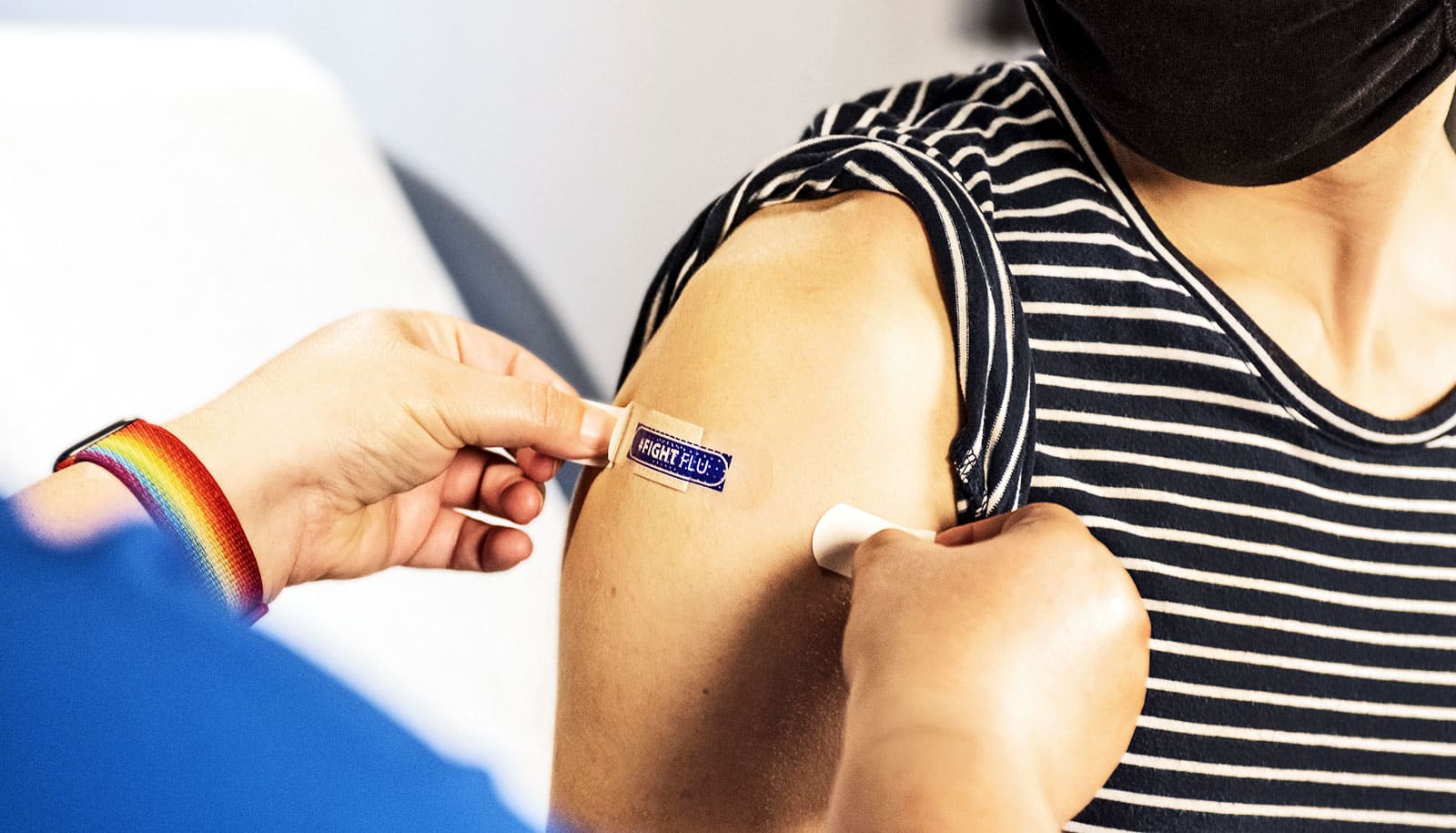
Seasonal Flu Shots May Offer Protection Against Bird Flu
The global trajectory of avian influenza (H5N1) has shifted from a sporadic veterinary concern to a pressing public health priority as the virus increasingly breaches the species barrier, moving from avian populations into mammals and, occasionally, humans. This zoonotic expansion creates a precarious clinical window: the time between the emergence of a human-adapted strain and the mass production of a targeted vaccine. In this high-stakes interval, the medical community is investigating whether existing tools can mitigate the initial wave of morbidity.
- A systematic review of ferret studies indicates that seasonal flu vaccines containing the neuraminidase N1 component may reduce H5N1-related mortality by approximately 73%.
- Protective effects appear to be driven by cross-reactive cellular immune responses rather than detectable antibodies, meaning standard laboratory markers may underestimate existing immunity.
- While not a replacement for H5N1-specific vaccines, routine seasonal vaccination may serve as a critical stopgap to reduce severe outcomes and ease health system strain during a pandemic’s early stages.
The central challenge in pandemic preparedness is the inherent lag in vaccine development. When a novel virus achieves efficient human-to-human transmission, the race to synthesize, test, and distribute a targeted vaccine often takes months—a timeline that can result in significant loss of life if the virus possesses high virulence. This “critical gap” is where the recent research led by National Taiwan University, in collaboration with University of South Florida (USF) Health, offers a potential strategic advantage.
The N1 Component and Mortality Reduction
Published in Emerging Microbes & Infections, the research presents a comprehensive meta-analysis of nearly two decades of experimental data. The team analyzed 35 controlled studies involving nearly 1,800 ferrets—the gold standard animal model for human influenza due to their similar respiratory physiology and viral receptor distribution. The findings reveal a stark contrast in efficacy based on the vaccine’s composition.
Seasonal influenza vaccines that included the neuraminidase N1 component demonstrated a significant capacity to reduce H5N1-related mortality, lowering the risk by approximately 73% compared to unvaccinated controls. Notably, this level of protection was comparable to some H5N1-specific vaccines that failed to generate robust immune responses and was only modestly lower than those that were highly effective. Conversely, seasonal vaccines lacking the N1 component offered little to no protective benefit, suggesting that this specific protein is the primary driver of cross-protection.

“This work suggests that we may be underestimating the broader protective value of seasonal influenza vaccines,” states Chi-Tai Fang, professor of infectious diseases epidemiology at National Taiwan University and National Taiwan University Hospital. “While they are not designed to target H5N1, certain components appear to activate immune responses that can reduce the severity of infection.”
For healthcare administrators and policymakers, this suggests that the current standard of care for seasonal flu may inadvertently provide a baseline of defense against emerging threats. For those in high-risk occupations—such as agricultural workers or veterinarians—ensuring up-to-date vaccination is a primary line of defense. To properly evaluate individual risk profiles and vaccination schedules, it is highly recommended to consult with a [Board-Certified Infectious Disease Specialist].
Unmasking the Hidden Immune Mechanism
One of the most significant clinical revelations of the study is the failure of standard diagnostic tools to detect this protection. Typically, vaccine efficacy is measured by the presence of neutralizing antibodies. However, the researchers found that the seasonal vaccines did not produce detectable antibodies against H5N1 using standard assays.
The protection instead appears to stem from cross-reactive cellular responses. This suggests that T-cell mediated immunity—which recognizes and destroys infected cells—may be providing a shield that traditional antibody tests overlook. In a clinical setting, this means a patient could test “negative” for H5N1-specific antibodies yet still possess a cellular immune memory that prevents the virus from causing lethal systemic failure.
This nuance in pathogenesis highlights a critical gap in current diagnostic protocols. As we move toward a more proactive stance on pandemic preparedness, the need for advanced immunological screening becomes apparent. Facilities looking to upgrade their diagnostic capabilities to include cellular immunity assays should partner with a [Diagnostic Immunology Center] to ensure they are utilizing the most sensitive markers of protection.
Pandemic Preparedness and Health System Resilience
The implications of this research extend beyond individual survival to the stability of the global healthcare infrastructure. In the event of a rapid H5N1 outbreak, the primary risk to the public is not just the virus itself, but the potential for a “system crash” where the volume of severe cases exceeds the number of available ICU beds and ventilators.
“In a pandemic scenario, timing is everything,” says Sten Vermund, dean of the USF Health College of Public Health and chief medical officer of the Global Virus Network. “We often face a critical gap between the emergence of a new virus and the availability of a targeted vaccine. Our findings suggest that seasonal flu vaccination… Could help reduce severe outcomes during that window.”
By reducing the percentage of infections that progress to severe pneumonia or multi-organ failure, widespread seasonal vaccination could effectively “flatten the curve” of an H5N1 pandemic. This reduction in morbidity would buy critical weeks for the production of targeted mRNA or recombinant vaccines, preventing the total saturation of emergency departments.
From a B2B perspective, this emphasizes the need for rigorous institutional readiness. Healthcare facilities and corporate campuses must audit their wellness protocols to ensure maximum vaccine uptake. Organizations navigating these complex public health mandates are increasingly retaining [Public Health Compliance Consultants] to align their internal policies with the latest epidemiological guidance.
Clinical Trajectory and Future Validation
While the results from the ferret models are compelling, the researchers maintain a necessary scientific caution: these findings must be validated in human clinical trials. Animal models, while robust, cannot perfectly replicate the complexities of the human immune system, particularly in elderly or immunocompromised populations where cellular responses may be diminished.

The next phase of research will likely focus on identifying the specific T-cell epitopes responsible for this cross-protection. If scientists can pinpoint exactly how the N1 component triggers this response, they may be able to engineer “universal” flu vaccines that provide broad-spectrum protection against multiple clades of influenza, effectively ending the cycle of annual reformulation.
the study reinforces a fundamental tenet of preventative medicine: the tools we already possess are often more versatile than we initially realize. While the world continues to race toward a targeted H5N1 solution, the simple act of seasonal vaccination remains a powerful, accessible, and potentially life-saving strategy. To ensure your health strategy is aligned with these evolving scientific insights, we encourage you to utilize our directory to connect with vetted medical professionals and specialized clinics.
Disclaimer: The information provided in this article is for educational and scientific communication purposes only and does not constitute medical advice. Always consult with a qualified healthcare provider regarding any medical condition, diagnosis, or treatment plan.