
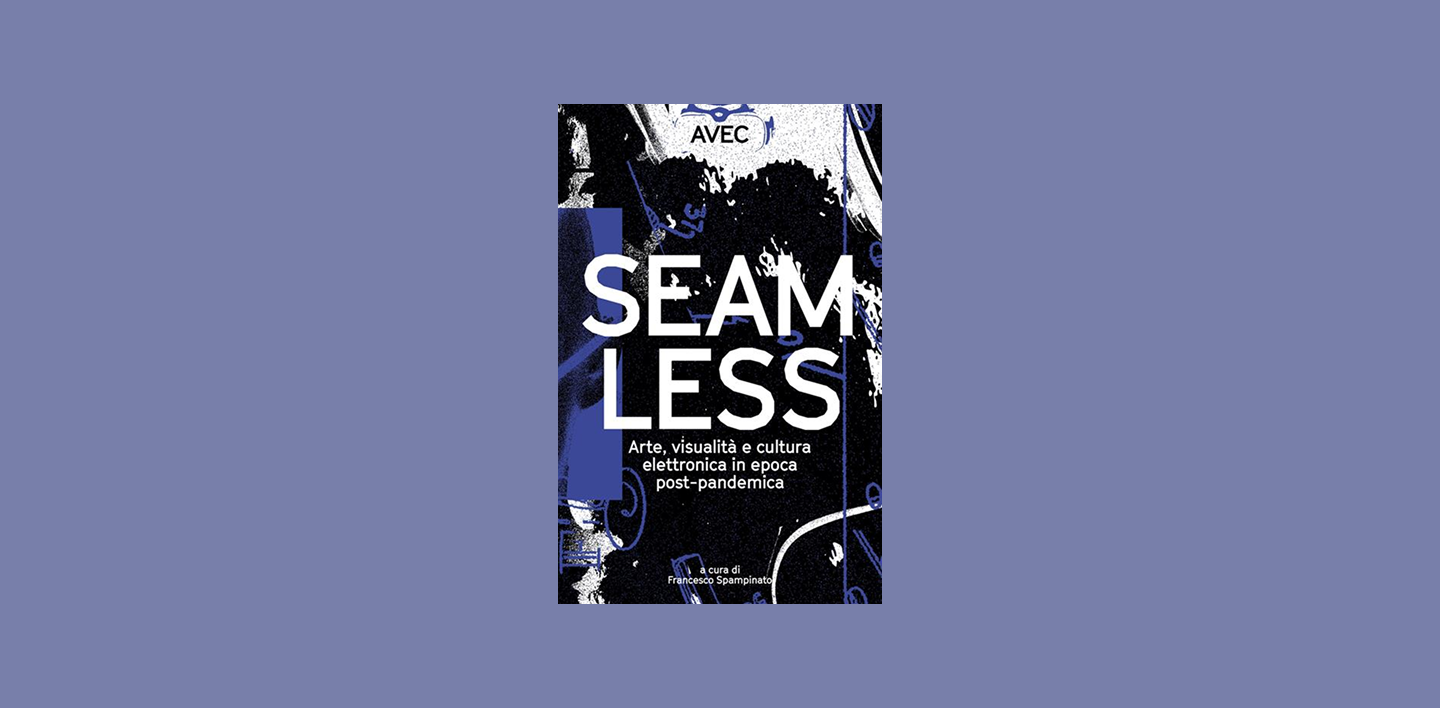
A new book, Seamless, edited by Francesco Spampinato, a professor of contemporary art history at the University of Bologna, examines the increasingly blurred lines between the physical and digital worlds, a phenomenon accelerated by the COVID-19 pandemic. The book, published in 2025, builds on work conducted by AVEC (Art, Visuality and Electronic Culture), a think tank associated with the university.
Seamless explores how technologies are reshaping human experience, focusing on the period following the widespread lockdowns of 2020-2022. Spampinato argues that the pandemic normalized a “natural continuity between the real and the virtual,” to the point where our digital representations no longer feel alien. The book’s structure reflects the workshop format from which it originated, combining theoretical essays with historical context, case studies, and artistic projects.
The book’s title, “seamless,” references a technology used in clothing manufacturing to create garments that conform to the body, concealing imperfections. Spampinato extends this metaphor to the digital realm, describing a body capable of moving “with ease between the real and the virtual, offline/online, in a space-time dimension without interruption.” This condition, he suggests, is becoming increasingly prevalent.
Seamless addresses several key themes, including the metaverse, catastrophe, cyberfeminism, and artificial intelligence. One chapter focuses on Non-Fungible Tokens (NFTs), which gained prominence in 2021, with the sale of Beeple’s Everydays: The First 5000 Days by Christie’s for $69 million. The book notes the rapid rise and subsequent decline in interest surrounding NFTs, framing it as a case study in the ephemeral nature of technological trends.
The book also examines the intersection of feminism and technology, drawing on the work of Donna Haraway and contemporary feminist theorists. It explores concepts like glitch feminism, cyberfeminism, and transfeminism, highlighting the ways in which artistic practice is being re-evaluated through a critical lens.
Spampinato draws a connection between Seamless and earlier collaborative publications from the 1970s, such as Il Gorilla Quadrumàno and Alice disambientata, emphasizing a commitment to critical engagement and a rejection of academic insularity. The book, he suggests, aims to provide a critical understanding of the present moment, characterized by the “seamless” integration of the real and the digital.
The book references Philip K. Dick’s 1968 novel, Do Androids Dream of Electric Sheep?, posing a reciprocal question to the reader: are humans still capable of dreaming of organic life?
