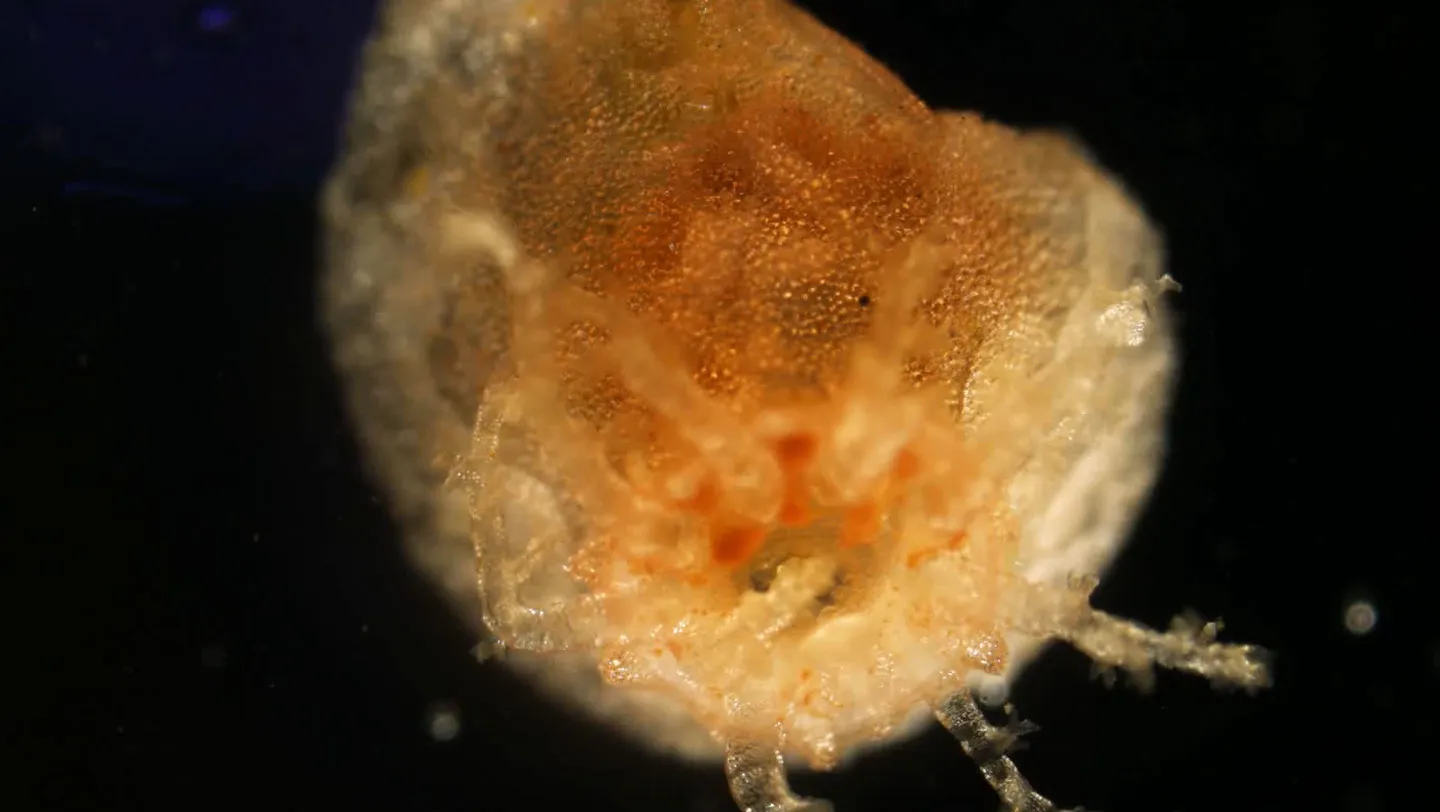
Sea Cucumber Tissue Longevity Could Unlock Secrets of Aging
Researchers have identified that detached tissues from the sea cucumber (Holothuria leucospilota) can survive and remain functional for more than three years, a biological phenomenon that challenges current understandings of cellular senescence and regenerative medicine. This discovery, detailed in a longitudinal study published in Scientific Reports, suggests that these organisms possess unique mechanisms to bypass the standard limits of cell replication and tissue death.
Key Clinical Takeaways:
- Sea cucumber tissues can sustain metabolic activity and structural integrity for up to 36 months after separation from the primary organism.
- The research suggests that the echinoderm’s ability to bypass programmed cell death (apoptosis) could offer new pathways for studying human longevity and tissue repair.
- While the findings are significant for basic biology, they highlight an urgent need for advanced clinical oversight when patients pursue experimental regenerative therapies outside of controlled trials.
Biological Mechanisms of Extended Tissue Viability
The study, funded by the Japan Society for the Promotion of Science (JSPS), observed that fragments from the organism’s tube feet and tentacles maintained cellular homeostasis long after total detachment. In most complex organisms, severed tissue undergoes rapid apoptosis or necrosis due to a lack of systemic nutrient delivery and waste removal. The sea cucumber appears to utilize a decentralized nervous system and specialized cell-signaling pathways that allow for prolonged survival in a dormant or semi-active state.
Dr. Hiroki Hori, a lead researcher in marine biology and regenerative physiology, notes: The persistence of these tissues suggests that the organism does not trigger the typical 'death signal' pathways we observe in mammalian cell lines. We are essentially observing a form of biological suspension that defies the standard constraints of cellular aging.
Implications for Human Regenerative Medicine
The clinical interest in this research lies in the potential for identifying proteins or genetic markers that inhibit senescence. Current human standard-of-care protocols for tissue damage, particularly in chronic inflammatory conditions or degenerative diseases, rely heavily on surgical intervention or pharmacological management of symptoms. Understanding how these marine tissues maintain structural integrity could eventually inform the development of novel biologic therapies designed to stimulate human tissue regeneration.
However, the transition from marine biology to clinical application remains distant. Patients seeking to address chronic tissue degradation must prioritize evidence-based interventions. For those experiencing non-healing wounds or persistent joint degeneration, it is essential to engage with board-certified regenerative medicine specialists who utilize peer-reviewed, FDA-cleared modalities rather than unverified stem cell or regenerative treatments.
Clinical Triage and Regulatory Oversight
As research into cellular longevity accelerates, the medical community must remain vigilant regarding the application of such data. The gap between basic research and clinical safety is significant. There is a documented risk of patients falling prey to unregulated “longevity clinics” that market experimental treatments without rigorous, double-blind, placebo-controlled data.
For healthcare providers and clinical facilities, maintaining compliance with emerging biomedical research standards is paramount. Facilities currently integrating new biological markers into their diagnostic workflows should consult with specialized healthcare compliance attorneys to ensure that their clinical protocols align with current regulatory frameworks. This is particularly relevant as institutional review boards (IRBs) tighten their scrutiny of therapies claiming to alter the pathogenesis of aging.
Comparative Analysis of Cellular Senescence
The sea cucumber model provides a stark contrast to the Hayflick limit, the point at which normal human cells cease to divide and enter senescence. While human cells typically have a finite lifespan defined by telomere shortening, the sea cucumber’s ability to maintain “zombie” tissues suggests a potential for telomerase-independent maintenance or an alternative energy-management system.

According to data from the World Health Organization on healthy aging, the global burden of morbidity related to age-associated cellular decline is increasing. While the sea cucumber research does not offer an immediate cure, it provides a vital control group for understanding how organisms avoid the metabolic collapse that defines human aging. The focus for clinicians must remain on established interventions, such as those provided by vetted geriatric medicine clinics, which emphasize evidence-based management of comorbidities rather than speculative life-extension therapies.
Future Trajectories in Longevity Research
The next phase of this research will likely involve mapping the proteomic profile of these long-lived tissues to identify which specific enzymes prevent the onset of necrotic pathways. As scientists continue to explore these marine mechanisms, the clinical community must ensure that these discoveries are filtered through rigorous peer review before reaching the public. For patients and practitioners alike, the focus should be on the intersection of innovation and safety, ensuring that all new interventions are grounded in solid clinical evidence.
Disclaimer: The information provided in this article is for educational and scientific communication purposes only and does not constitute medical advice. Always consult with a qualified healthcare provider regarding any medical condition, diagnosis, or treatment plan.