
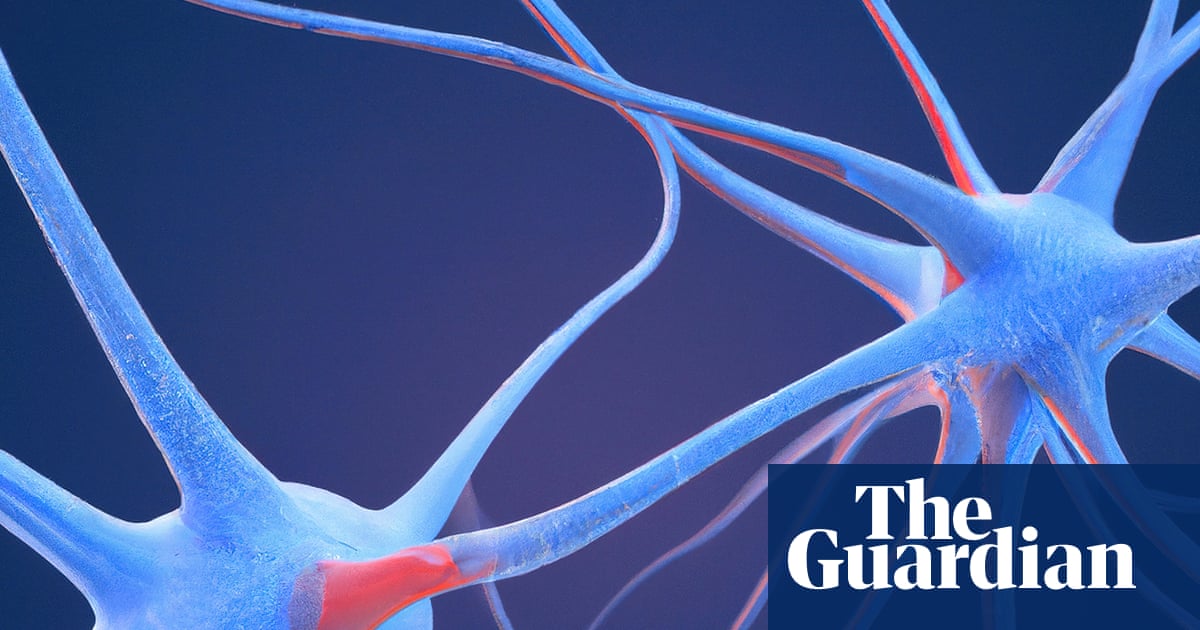
Scientists Identify Neural Fingerprint of Psychedelics in Brain
The mapping of the human consciousness has long been a frontier of conjecture, but recent neuroimaging breakthroughs are shifting the conversation from philosophy to precise biological measurement. By identifying a consistent “neural fingerprint” for psychedelic compounds, researchers are finally quantifying how these substances rewire the brain’s functional connectivity.
Key Clinical Takeaways:
- Scientists have identified a specific pattern of brain activity—a “neural fingerprint”—that distinguishes psychedelic states from other altered states of consciousness.
- The research suggests these drugs disrupt the brain’s “default mode network,” potentially allowing for the treatment of rigid, maladaptive thought patterns seen in treatment-resistant depression.
- This biological marker provides a roadmap for developing non-psychedelic analogs that may offer therapeutic benefits without the intense hallucinogenic experience.
For decades, the clinical community viewed psychedelics through the lens of pathology or recreation. However, the current medical imperative is the crisis of treatment-resistant depression (TRD) and PTSD, where the standard of care—typically SSRIs or SNRIs—fails to provide relief for roughly one-third of patients. The “clinical gap” here is the inability to break the cycle of rumination and cognitive rigidity. The identification of a neural fingerprint suggests that psychedelics do not merely “trip” the user, but fundamentally reset the brain’s equilibrium, offering a biological escape hatch for patients trapped in chronic morbidity.
The Mechanism of Action: Disrupting the Default Mode Network
At the heart of this discovery is the interaction between psychedelic compounds (such as psilocybin or LSD) and the 5-HT2A serotonin receptors. According to the foundational research published in Nature Reviews Neuroscience, these substances induce a state of “global functional connectivity.” In a healthy brain, specific networks handle specific tasks; in a psychedelic state, these boundaries dissolve. This leads to the disruption of the Default Mode Network (DMN), the system associated with self-referential thought and the “ego.”
When the DMN is dampened, the brain enters a state of hyper-connectivity. This is the “fingerprint” the researchers have identified: a specific, reproducible shift in how distant brain regions communicate. This isn’t a random chaotic firing of neurons, but a structured reorganization. For patients suffering from severe psychiatric disorders, this reorganization can be the catalyst for psychological breakthrough, provided it occurs within a controlled clinical setting. Those seeking to integrate these emerging modalities into their care should consult with board-certified psychiatrists specializing in interventional pharmacology to determine if they are candidates for ongoing clinical trials.
“The ability to quantify the neural signature of a psychedelic experience allows us to move beyond subjective reporting. We are now seeing the physical architecture of a ‘breakthrough’ experience, which is the first step toward precision dosing in psychiatric medicine.” — Dr. Robin Carhart-Harris, PhD, Neuropharmacologist.
Clinical Trial Breakdown: From Safety to Efficacy
The transition of these compounds from illicit substances to pharmaceutical candidates requires a rigorous adherence to FDA and EMA guidelines. Most psychedelic research is currently navigating the pivot from Phase II (dose-finding and preliminary efficacy) to Phase III (large-scale comparative trials). The primary challenge remains the “placebo problem,” as the intense nature of the psychedelic experience makes double-blind studies exceptionally difficult.

| Trial Phase | Primary Clinical Objective | Key Metric (Endpoint) | Typical N-Value (Sample Size) |
|---|---|---|---|
| Phase I | Safety & Tolerability | Vital signs, acute adverse events | 20–80 |
| Phase II | Proof of Concept / Dosage | Symptom reduction (e.g., MADRS scale) | 100–300 |
| Phase III | Comparative Efficacy | Long-term remission vs. Standard of Care | 1,000+ |
Funding for this specific trajectory of research has seen a massive influx of private equity and institutional grants. Much of the recent work identifying these neural fingerprints has been supported by grants from the National Institutes of Health (NIH) and private philanthropic organizations like the Beckman Initiative. This transparency is critical; as the industry moves toward commercialization, the distinction between academic curiosity and profit-driven pharmaceutical development must remain clear to avoid the sensationalization of “miracle cures.”
Regulatory Hurdles and the Path to Prescription
Identifying a neural fingerprint is a scientific victory, but the regulatory path is fraught with complexity. The pathogenesis of depression is multifaceted, and the contraindications for psychedelic leverage—such as a history of psychosis or schizophrenia—are absolute. The risk of inducing a manic episode or triggering latent schizophrenia is a statistical probability that must be managed through rigorous screening.
Due to the fact that these treatments require extensive psychological support (integration therapy) before and after the dose, the burden on healthcare infrastructure is significant. This is not a “pill-and-go” model. It requires a multidisciplinary approach. Medical groups and clinics are increasingly retaining healthcare compliance attorneys to navigate the shifting legal landscape of Schedule I substances and to establish protocols that protect both the provider and the patient from regulatory volatility.
“We are not just administering a drug; we are managing a profound psychological event. The neural fingerprint tells us what is happening in the brain, but the clinical framework tells us if that change will actually lead to long-term recovery.” — Dr. Sarah Edmonds, MD, Clinical Lead in Psychedelic Research.
The Future of Non-Hallucinogenic Analogs
The most provocative implication of the “neural fingerprint” is the potential for “non-hallucinogenic” psychedelics. If researchers can identify the exact molecular trigger that causes the therapeutic reorganization of the brain without triggering the “trip” (the hallucinogenic effect), they can create a drug that offers the antidepressant benefits without the incapacitating experience. This would move the treatment from a specialized clinic to a standard outpatient setting, drastically increasing accessibility.
For those currently managing chronic mental health conditions, the horizon is promising, but caution is paramount. The transition from experimental research to standard of care takes years of peer-reviewed validation. Until then, the safest route remains the use of evidence-based therapies provided by vetted professionals. To uncover a practitioner who stays current with these neurobiological advancements, we recommend searching our directory for specialized neurologists and psychiatric clinics that adhere to the highest standards of clinical governance.
The identification of the brain’s psychedelic fingerprint marks the conclude of the “dark ages” of psychedelic research. We are moving into an era of precision psychiatry where the map of the mind is finally being drawn with mathematical accuracy. The goal is no longer just to alter consciousness, but to heal it.
Disclaimer: The information provided in this article is for educational and scientific communication purposes only and does not constitute medical advice. Always consult with a qualified healthcare provider regarding any medical condition, diagnosis, or treatment plan.