
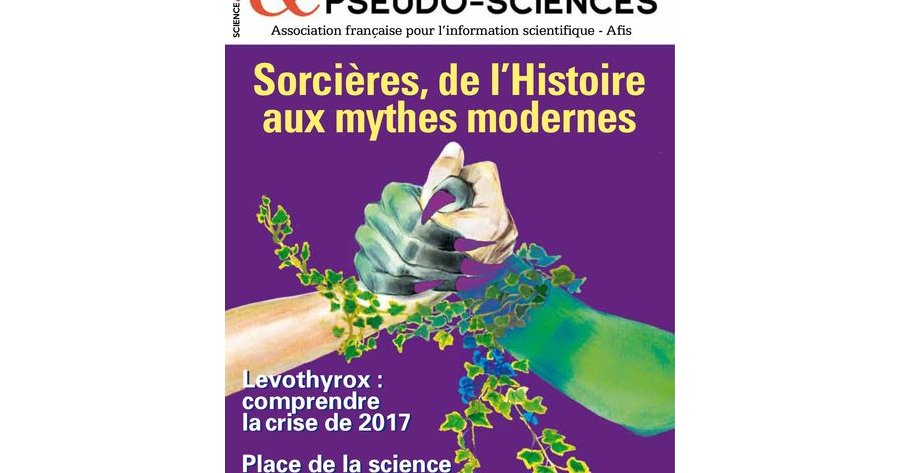
Science & Pseudo-Sciences Review N° 354 Spotlights Critical Thinking in a Disinformation Age
The October 2025 issue of Science & pseudo-Sciences Review, published by AFIS Science, arrives at a pivotal moment – as public trust in institutions and expertise faces unprecedented challenges. This edition focuses on the crucial intersection of science and decision-making, offering tools and analysis to navigate an increasingly complex information landscape. From evaluating political choices informed by science to dissecting the allure of alternative medicine,the latest issue provides a robust defense against misinformation and a call for evidence-based reasoning.
The 354th edition delves into pressing issues, including a critical look at permaculture, the science behind sex determination, and health disparities between the US and Europe. A dedicated section, coordinated by Martin Brunschwig, examines critical thinking skills, particularly for young people in disadvantaged neighborhoods, and spotlights resources like YouTube channels dedicated to explaining critical mindsets. With the rise of easily accessible but ofen unreliable information, the review’s emphasis on scientific integrity and media collaboration is more vital than ever.
Highlights from Science & Pseudo-Sciences Review N° 354:
Decisions Informed by Science: features an article, “Political decisions informed by science,” by David Skley, and addresses the DUPLOMB law with a press release from AFIS.
Articles: Stéphane Varaire questions whether permaculture is a solution or illusion.
Chronic: Explores alternative medicine (“Can we really ‘cut the fire’?” by Valentin Ruggeri), science and media collaboration (Hervé Maisonneuve), Diogenes syndrome and hoarding (David Masson), and bilingualism (Brigitte Axelrad).
Critical Thinking: Alice Bougnères investigates information education for disadvantaged youth, Isabelle Dore reviews critical thinking YouTube channels (“Info or mytho? Explain critical mind to teens”), Romain Meunier presents “Evidence-Based Good humor” (“Repressed”), Brigitte Axelrad examines false memories, and highlights the popular university of rationality and critical mind.
Assumes on Science: Christophe de la Roche Saint-André discusses genetic control of sex determination, and Alexandre relative analyzes health and mortality differences between the US and Europe.
AFIS Life: Includes an article available online.
