
Saudi Arabia Tightens Regulations on Foreign Investment in Capital Markets
Table of Contents
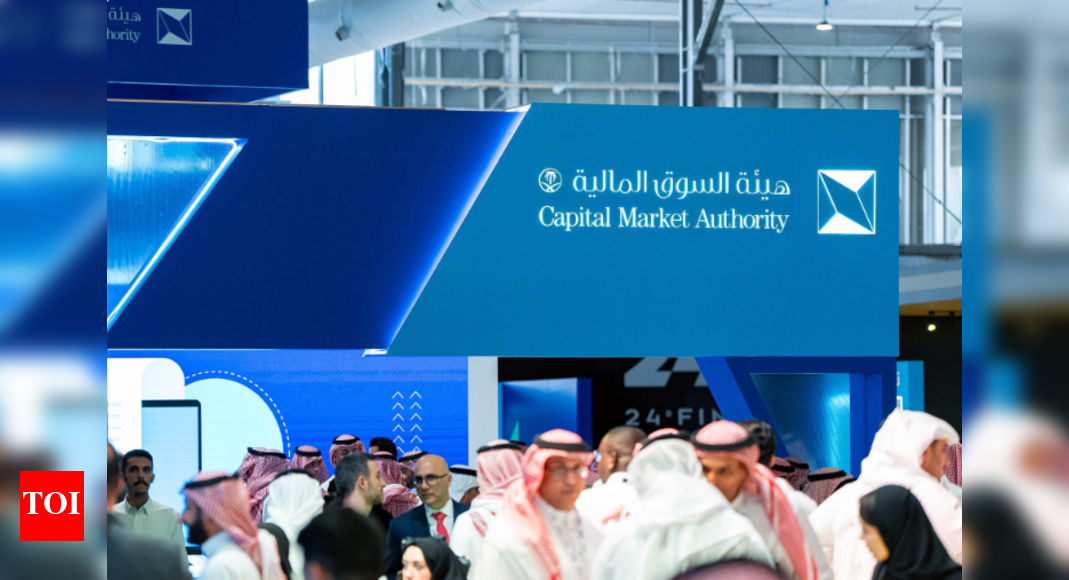
Riyadh, Saudi Arabia – In a strategic move to balance market openness with oversight, Saudi ArabiaS Capital Market Authority (CMA) has implemented new regulations governing foreign investment in listed securities.The reforms, published Friday in the official gazette Umm Al-Qura, establish clear ownership limits and eligibility criteria for international investors seeking to participate in the Kingdom’s evolving financial landscape.
key Provisions of the New Regulations
The core of the new framework centers on establishing a 49% aggregate cap on foreign ownership in any listed Saudi company, encompassing both direct shareholdings and convertible debt instruments. This ceiling aims to maintain market stability and prevent undue influence from external entities. Though, a crucial exception exists for foreign strategic investors
, who are exempt from this cumulative limit.
Non-resident foreign investors face a more restrictive individual ownership cap of 10% of a listed company’s shares. Furthermore, the conversion of debt instruments into shares is contingent upon meeting the newly defined investor categories or securing a swap agreement with a licensed financial institution.
Did You Know? The CMA’s move aligns with broader global trends in regulating foreign investment, seeking to maximize benefits while mitigating potential risks.
Eligible Investor Categories
The CMA has delineated six distinct categories of non-resident foreign investors permitted to invest in Saudi Arabia’s main market:
| Investor Category | key Criteria |
|---|---|
| Qualified Foreign Investors (QFIs) | Minimum assets of SAR 1.87 billion and meeting CMA qualifications. |
| Foreign Strategic Investors | long-term strategic investment intent with a two-year holding period. |
| ultimate Beneficiaries of Swap Agreements | Beneficiaries of shares held via swap arrangements with CMA-licensed institutions. |
| Clients of Licensed Asset Managers | Portfolios fully managed by CMA-authorized financial institutions. |
| Residents of GCC Countries | Individuals residing in any Gulf Cooperation Council (GCC) member state. |
| Former Residents of Saudi Arabia or GCC States | Investors who previously resided in Saudi Arabia or a GCC country with active investment accounts. |
These categories ensure that only qualified and regionally connected investors can participate in the Saudi market, fostering a more stable and informed investment environment.
Compliance and Regulatory Obligations
Financial institutions offering swap agreements, which provide indirect exposure to Saudi equities, are now subject to stringent compliance requirements. The CMA has outlined ten key conditions for executing such agreements, including full segregation of client funds, complete transaction coverage, exclusive voting rights for the institution, and strict adherence to anti-money laundering (AML) protocols.
Pro Tip: Financial institutions must update client information periodically, with a complete review required every five years, to maintain compliance.
The CMA also established procedures for handling sensitive situations, such as investor death, to ensure orderly asset management and transfer to legal heirs. These measures underscore the authority’s commitment to investor protection and market integrity.
Broader Capital Market Reforms
These new regulations are part of a larger overhaul of Saudi Arabia’s capital market ecosystem. Parallel initiatives include revisions to fund regulations to encourage participation from foreign funds and fintech platforms, facilitating direct access for GCC retail investors, proposed amendments to the Tadawul’s Nomu Parallel Market, the launch of Saudi Depositary Receipts (SDRs), and studies into a dedicated mortgage-backed securities platform.
These reforms collectively signal a decisive shift towards greater openness, regulated access, and institutional maturity in Saudi arabia’s capital markets, aligning with the Kingdom’s broader economic transformation goals as outlined in Vision 2030. As noted by the World Bank, Saudi Arabia is actively diversifying its economy, and these capital market reforms are a key component of that strategy.
What impact will these regulations have on foreign investment flows into Saudi Arabia? And how will the CMA balance attracting investment with maintaining market stability?
Saudi arabia’s capital market reforms represent a significant step in the Kingdom’s ongoing economic diversification efforts. The move towards greater openness,coupled with robust regulatory oversight,is designed to attract long-term investment and foster a more resilient financial system. This trend reflects a broader global shift towards more regulated and transparent capital markets, driven by the need to mitigate systemic risk and protect investors. The success of these reforms will be crucial in achieving saudi Arabia’s Vision 2030 goals and establishing the Kingdom as a leading global investment destination.
Frequently Asked questions
- What is the primary goal of the new foreign investment regulations? The primary goal is to balance attracting foreign investment with maintaining market stability and oversight.
- Are all foreign investors subject to the 49% ownership cap? No, foreign strategic investors are exempt from the 49% cap, but thay are subject to a two-year holding period.
- What are the six eligible categories of non-resident foreign investors? the categories include qualified Foreign Investorsómico.
- What are the key compliance obligations for financial institutions? Key obligations include full segregation of client funds, complete transaction coverage, and adherence to AML protocols.
- What is the significance of Saudi Depositary Receipts (SDRs)? SDRs will enable local trading of foreign-listed shares, expanding investment opportunities within the Kingdom.
We hope this article provided valuable insight into the evolving landscape of foreign investment in Saudi Arabia. Share this article with your network, leave a comment below, or subscribe to our newsletter for more in-depth analysis of global financial markets.
