
Saudi Arabia Deepens its Grip on Global Football
FIFA has announced a critically important partnership with the Saudi Progress fund (SFD), committing up to $1 billion in soft loans to fund stadium construction and infrastructure improvements in developing nations. This move signals a further shift in the center of global football power towards Riyadh, raising questions about the sport’s financial independence and future direction.
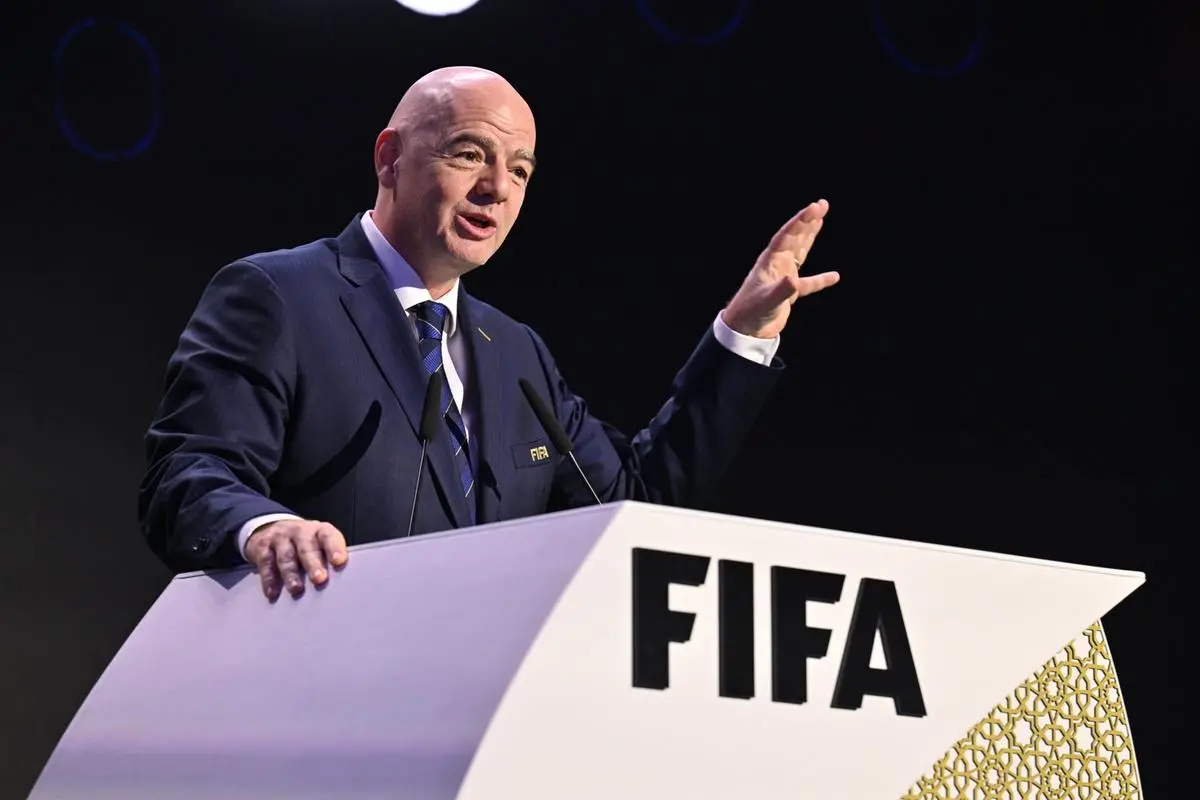
FIFA President Gianni Infantino hailed the agreement as “a crucial step” towards making football ”truly global,” emphasizing the need for infrastructure support for member federations. However, the funding predominantly originates from Saudi Arabia, the host nation for the 2034 World Cup and a rapidly expanding investor in the sport.
This investment isn’t limited to infrastructure. Saudi arabia’s Public Investment Fund, through its Surj Sport Investment company, recently acquired a $1 billion stake in the sports streaming platform DAZN, which subsequently secured the broadcasting rights for the 2025 club World Cup – a deal FIFA struggled to finalize – for another billion dollars. Furthermore, Saudi oil giant Aramco has become FIFA’s primary sponsor for 2024-2027, a partnership estimated to be worth a significant, undisclosed sum.
the SFD,established in 1974,traditionally focused on core infrastructure projects like hydroelectric power. This new agreement marks a strategic shift, recognizing the economic and social benefits of sports infrastructure – job creation, tourism, public health, and community building. The intention is for these subsidized loans to attract further investment from other development institutions and the private sector, creating a lasting model for sports development.
The growing reliance on funding from Saudi Arabia,led by Mohammad bin Salman Al Saud,is becoming increasingly apparent. Infantino’s frequent presence alongside the Prince at international events, including peace talks in Sharm el-Sheikh, underscores the strengthening relationship. Meanwhile, traditional footballing powers in Europe are observing these developments, with their historical influence and prestige seemingly waning within the halls of FIFA in Zurich.
This partnership raises concerns about the potential for geopolitical influence within the world’s most popular sport and the extent to which FIFA’s decisions might potentially be shaped by its financial backers. The long-term implications for the independence and integrity of global football remain to be seen.
