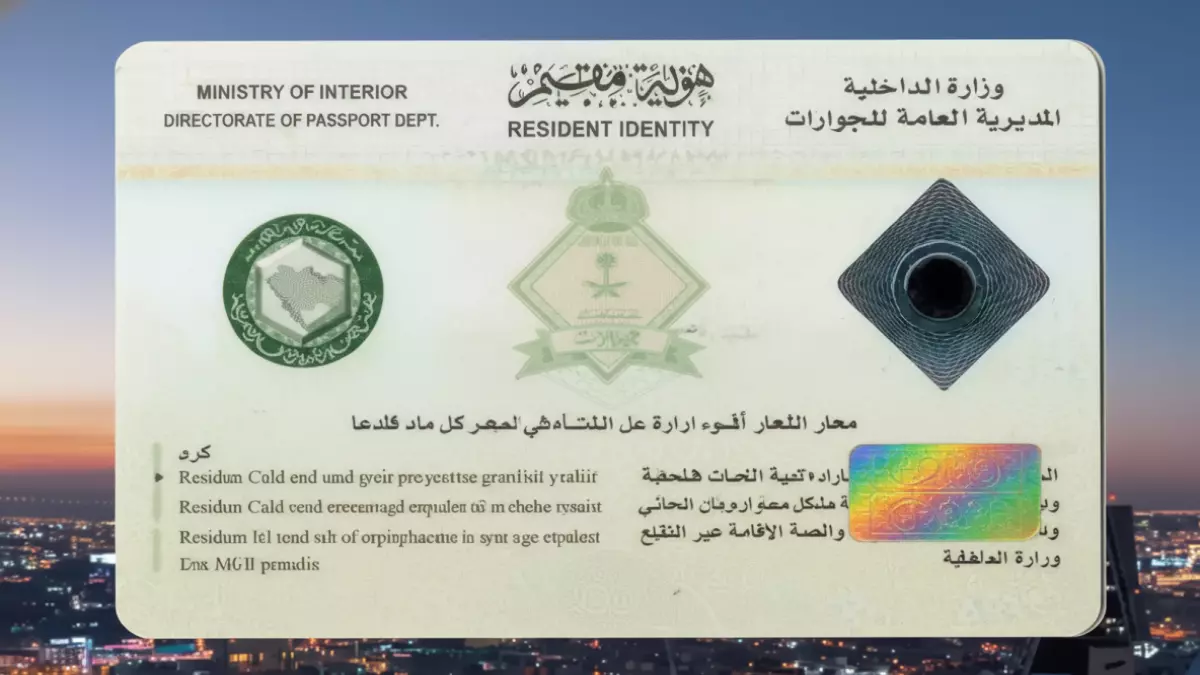
Saudi Arabia Residency Fees: Fact-Checking Iqama Renewal Rumors
The Saudi General Directorate of Passports has officially denied reports of residency fee increases, countering viral claims that 13 million residents face modern charges or specific annual payments. This clarification arrives as the Kingdom accelerates its digital transformation under Vision 2030, utilizing the Absher platform to streamline immigration and governance.
In the fast-paced digital economy of the Gulf, a single headline can trigger a wave of anxiety for millions. Recently, reports circulated suggesting a new 800 SAR fee or a “transformation installment” of 3,200 SAR annually for residents. For the 13 million expatriates who call Saudi Arabia home, these numbers aren’t just statistics; they represent monthly budgets, family stability, and the cost of living.
The confusion was swift. The noise was loud.
Still, the official response from the General Directorate of Passports was definitive. The authorities have moved to shut down the speculation, explicitly stating that You’ll see no increases to residency renewal fees and urging the public to ignore unfounded rumors circulating on social media and unofficial news outlets.
The Friction Between Viral Rumors and Official Policy
The disparity between the viral reports and the official government stance highlights a recurring problem in the modern information age: the gap between “clickbait” narratives and administrative reality. Some sources claimed the 3,200 SAR figure was a government subsidy to help residents stay, while others framed it as a mandatory cost of “entering a new stage” of the national vision. Neither version aligned with the official record.

“The General Directorate of Passports has settled the controversy: there are no increases in residency renewal fees, and we call upon everyone to ignore the rumors.”
This volatility in information makes it incredibly tough for residents to plan their financial futures. When administrative rules are perceived as shifting, the first instinct for many is to seek professional guidance. Many residents are now turning to immigration law specialists to ensure their documentation is compliant and to avoid the pitfalls of acting on misinformation.
Accuracy is the only currency that matters when your legal status in a foreign country is at stake.
Absher: More Than Just an App
To understand why these rumors are so disruptive, one must understand the system they are targeting. The Saudi Vision 2030 initiative isn’t just about oil diversification; it is about a total overhaul of how the state interacts with the individual. At the heart of this is the Absher platform.
Absher has evolved from a simple service portal into a symbol of the Kingdom’s digital identity. Under the technical leadership of figures like Dr. Hazam bin Saud Al-Subaie, the platform was designed to move the resident from the waiting room to the smartphone. It has transformed the concept of government services from a bureaucratic hurdle into a seamless digital experience.
The platform’s success lies in its integration. By linking the Ministry of Interior with various other government entities, Absher has reduced the need for physical visits, cut down on paperwork, and increased the efficiency of the Saudi state. It is now regarded as one of the most powerful digital governance programs globally, emphasizing high security and ease of access.
But digital efficiency creates a new vulnerability: the speed at which misinformation can spread across the same networks used for official updates.
The Macro-Economic Lens: Vision 2030 and the Expat Workforce
The mention of “transformation installments” in the rumors, while false, touches on a real economic truth. Saudi Arabia is in the midst of a massive structural shift. The 2024 annual report for Vision 2030 highlights record-breaking indicators and advanced progress in diversifying the economy. This shift requires a highly skilled, stable expatriate workforce to build the cities of the future and manage new investment hubs.
From a macro-economic perspective, sudden and unpredictable fee hikes would be counterproductive to the goal of attracting global talent. The Kingdom’s strategic location between three continents and its investment power depend on a predictable legal and financial environment for foreign professionals.
For corporate entities managing thousands of employees, these rumors create administrative chaos. HR departments are often forced to spend countless hours reassuring staff and verifying data. To mitigate this, many firms are now employing corporate compliance consultants to create internal verification pipelines that rely solely on official government API data rather than news headlines.
Navigating the Path to Renewal
For the resident looking to avoid the noise and simply secure their legal status, the process remains digital and streamlined. The current protocol for residency renewal continues to be managed through the official electronic channels, specifically the Absher platform, which allows for renewals without the need for traditional paper-based bureaucracy.
- Verification: Always check the official portal of the Ministry of Interior or the General Directorate of Passports.
- Digital Process: Use the Absher application to handle renewals and fee payments securely.
- Avoid Third Parties: Be wary of unofficial agents claiming to offer “discounted” renewals or “special” updates on new fees.
When the digital process becomes complex—perhaps due to a discrepancy in employer records or a change in visa status—relying on an app isn’t enough. In these instances, securing vetted certified financial consultants or legal advisors becomes the critical step in protecting one’s residency status.
The transition to a “smart society” is rarely a straight line. As Saudi Arabia continues to push the boundaries of what a digital state can be, the tension between rapid technological advancement and the persistence of human misinformation will remain. The lesson for 13 million residents is clear: in an era of digital governance, the only source of truth is the official portal.
The future of residency in the Kingdom is not found in a viral headline, but in the secure, encrypted corridors of the state’s digital infrastructure. For those who find themselves lost in the gap between rumor and reality, the World Today News Directory remains the primary resource for finding the verified professionals capable of navigating this evolving landscape.