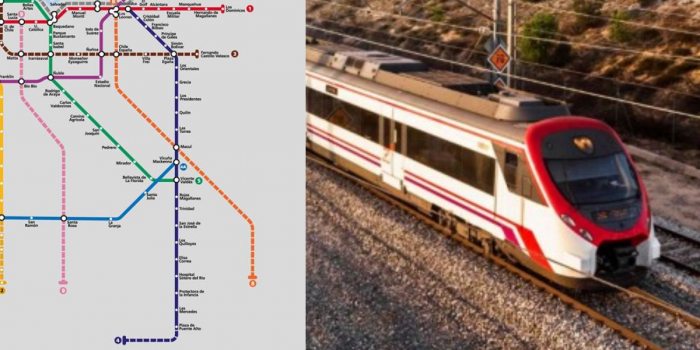
Santiago Metro Line 8: Stations, Affected Municipalities & Opening Date
The Santiago Metro Line 8, a 19-kilometer rapid transit project connecting Providencia to Puente Alto, is currently under development to serve six municipalities. Scheduled for completion by 2032, this underground line aims to reduce commute times by up to 60% for nearly 2 million residents across the Chilean capital’s metropolitan area.
The evolution of Santiago’s transit infrastructure is not merely a matter of civil engineering; it is a fundamental shift in the urban metabolism of one of South America’s most densely populated cities. As of May 2026, the project has moved into the critical phase of detailed design and civil works, marking a transition from long-term planning to tangible, structural reality.
Navigating the Urban Corridor: A Project of Scale
The trajectory of Line 8 is ambitious. Spanning 19 kilometers, the line is designed to bridge the gap between the northeast and southeast sectors of the city. By connecting the Los Leones station—a major transit hub in Providencia—with the southern reaches of Puente Alto, the project traverses the communes of Ñuñoa, Macul, and La Florida. This represents not just a new transit line; it is a massive logistical undertaking that requires precise coordination between municipal authorities and private sector engineering firms.
For residents and businesses situated along this corridor, the construction phase brings both future benefits and immediate operational challenges. The project involves the development of ventilation shafts, tunnel excavation, and the integration of complex underground systems. These works are essential for the long-term efficiency of the network but often necessitate significant adjustments for local property owners and commercial entities.
“The integration of Line 8 represents a strategic rebalancing of the capital’s connectivity. By linking these specific municipalities, we are not simply moving people; we are reducing the economic friction that has historically isolated the southeastern periphery from the city’s commercial core.”
As the project progresses, the necessity for professional oversight becomes paramount. Property owners adjacent to these massive infrastructure works often face complex legal and logistical hurdles. Whether dealing with vibration monitoring, land easements, or the temporary disruption of business operations, securing guidance from commercial real estate attorneys and specialized civil engineering consultants is the most effective way to navigate the complexities of long-term urban development projects.
The Technical Backbone of the Expansion
The design phase currently underway reflects a deep commitment to modern underground transit standards. Recent developments have seen the award of key contracts for the design of shafts and tunnels, specifically focusing on the stretch between Chile España and Los Leones stations. This segment is critical, as it requires intricate engineering to connect with existing lines—specifically lines 1, 3, and 6.
The technical requirements for such a project are immense. The Santiago Metro has a long-standing history of developing its network, and Line 8 is the latest chapter in that trajectory. The focus on reducing journey times by up to 60% is a benchmark that underscores the project’s importance to the regional economy. When transit times drop, the labor pool expands, and the accessibility of commercial zones increases, directly impacting the value and viability of local businesses.
Impact on Local Infrastructure
- Municipal Connectivity: Direct links between Providencia, Ñuñoa, Macul, La Florida, and Puente Alto.
- Intermodal Efficiency: Integration with existing Lines 1, 3, 4, and 6.
- Environmental and Operational Safety: Implementation of advanced tunnel ventilation and structural support systems.
- Economic Development: Enhanced transit access for nearly 2 million residents.
Infrastructure, Compliance, and the Path Forward
Major infrastructure projects of this magnitude inevitably intersect with local zoning laws and municipal regulations. For developers and commercial stakeholders, the ongoing construction of the Metro Line 8 is a variable that must be integrated into long-term business strategies. Managing the impact of such a project requires a proactive approach to compliance and risk management.
If your business is located within the catchment area of the new line, understanding your rights and obligations regarding construction impacts is essential. Companies that engage infrastructure advisory services early in the development cycle are better positioned to mitigate disruptions. Similarly, businesses looking to capitalize on the increased foot traffic projected for the areas surrounding new stations should consult with urban planning and development experts to align their expansion goals with the city’s shifting transit map.
As Santiago looks toward 2032, the construction of Line 8 serves as a reminder of the relentless pace of urban growth. While the promise of reduced transit times is a clear victory for the daily commuter, the years leading up to the inaugural run will require patience and professional vigilance. The transition from a transit-isolated commune to a connected node in a high-speed network is a transformative process, one that reshapes the city’s economic landscape from the ground up.
The true success of the Line 8 project will be measured not just by the speed of the trains, but by how effectively the city manages the friction of its own evolution. For those impacted by the changing urban landscape, the path to stability and growth lies in leveraging the right expertise to turn large-scale disruption into a competitive advantage.
For those seeking to navigate the intersection of public infrastructure development and private enterprise, our directory provides access to the leading professionals capable of managing these complex transitions.