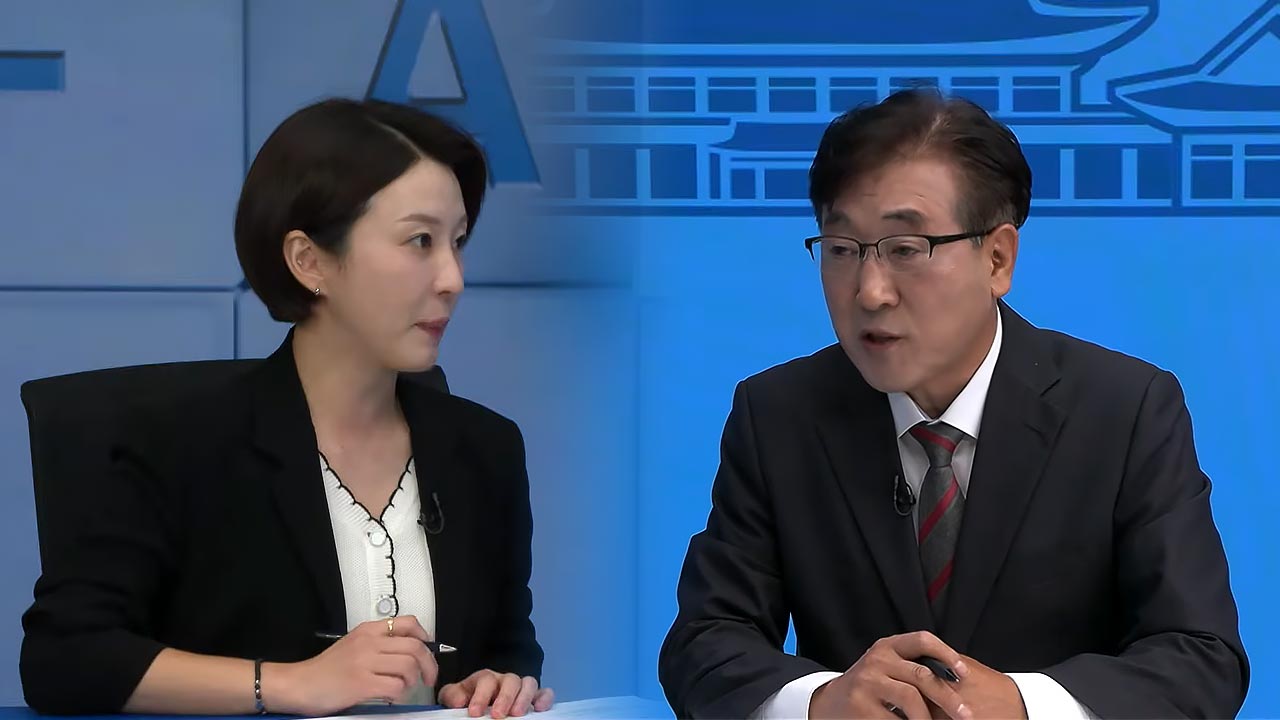
Blue House Defends President Lee’s 1.7 Billion Won Interest-Free Mortgage
As of July 22, 2026, the South Korean presidential office has publicly characterized a 1.7 billion won mortgage registered by President Lee as a standard financial transaction, equivalent to a bank loan, while clarifying that no interest is being charged. Critics, including political opposition figures, have labeled the arrangement an unconventional financial maneuver, raising questions regarding transparency and standard lending practices.
The Mechanics of the 1.7 Billion Won Mortgage
The controversy centers on a real estate transaction involving a high-value mortgage. According to official statements from the presidential office, the arrangement is being processed in compliance with established gift tax regulations. The office maintains that the absence of interest on the 1.7 billion won mortgage does not deviate from legal norms governing private lending between individuals, framing it as a functional equivalent to a traditional bank loan.
However, the characterization of this as a “standard” transaction has faced significant scrutiny. Data circulating in political discourse suggests that in transactions ranging between those values, similar private mortgage structures account for only a small fraction—approximately 5.96%—of total activity.
Political Opposition and the “New Technique” Allegation
Han Dong-hoon, a prominent opposition voice, has publicly criticized the move, describing the 1.7 billion won mortgage as a “new type of technique” created to circumvent standard financial oversight. During recent public commentary, Han suggested that the administration’s actions contrast sharply with the financial pressures placed on the general public, stating, “While the public has been pressured, this 1.7 billion won mortgage represents a new loophole.”
The discrepancy between the presidential office’s defense of the transaction as routine and the opposition’s framing of it as a creative financial bypass has intensified the public debate. For citizens and business entities, this highlights the complexities of navigating private lending and real estate tax compliance, where the line between legal tax planning and questionable practice often depends on specific, high-level regulatory interpretations.
Navigating Private Lending and Real Estate Compliance
The intense focus on the President’s personal financial structures underscores a broader necessity for rigorous compliance when dealing with high-value assets. Whether for individual investors or corporate entities, the management of private debt and mortgages requires meticulous adherence to evolving tax codes and disclosure requirements.
In jurisdictions where private lending is common, the regulatory burden on the lender and borrower is significant. Failure to properly document these transactions or account for imputed interest can lead to severe tax penalties or allegations of illicit gift-giving. Individuals involved in complex real estate acquisitions often rely on professional tax advisory services to ensure that private loan agreements meet current legal standards and avoid public scrutiny.
Regulatory Standards and Market Transparency
The debate also touches upon the broader issue of market transparency. When high-profile figures engage in financial transactions that deviate from traditional institutional banking, the lack of standardized reporting can lead to public distrust. Legal experts note that while private mortgage agreements are legal, they must be transparently reported to tax authorities to avoid the appearance of impropriety.

For those involved in similar high-stakes financial arrangements, the current situation serves as a reminder of the importance of maintaining a clear paper trail. Organizations that specialize in corporate and private legal compliance are frequently consulted to provide the necessary framework for these transactions, ensuring that all parties are protected under the law. Furthermore, individuals seeking to verify the legitimacy of their financial structures should consider engaging with certified public accounting firms to conduct thorough audits of their personal or commercial portfolios.
The Broader Impact on Public Trust
As the discourse continues, the case serves as a focal point for broader discussions about financial equity and the oversight of public officials. The presidential office’s assertion that the arrangement follows “gift tax regulations” provides a legal defense, but it has not silenced the demand for greater transparency regarding how such private terms are negotiated and verified.

The incident underscores that in an era of heightened digital oversight and public accountability, the distinction between private financial freedom and the public’s expectation of transparency is becoming increasingly narrow. For those navigating the complexities of real estate and private debt, the current climate necessitates a proactive approach to legal and tax compliance, ensuring that every financial move is defensible in both the courtroom and the court of public opinion.