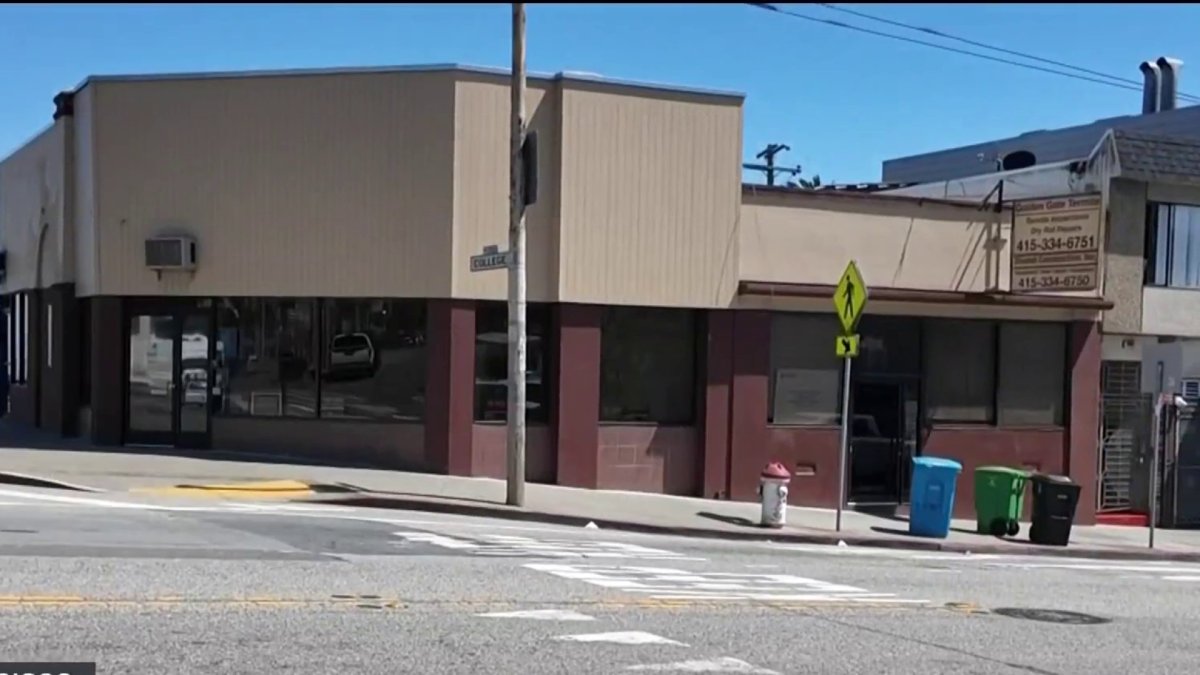
San Francisco Nursing Home South East Faces Possible Closure: Impact on 200+ Elderly Residents
San Francisco’s Centro Geriátrico South East, a 60-year-old nursing home serving 200 elderly residents, faces imminent closure as of May 20, 2026, due to financial insolvency and regulatory non-compliance. The facility’s shutdown—potentially affecting 200+ vulnerable seniors—exposes systemic gaps in long-term care infrastructure, while city officials scramble to prevent a humanitarian crisis. The closure underscores broader trends: California’s aging population (1 in 5 residents over 65 by 2030) and a 30% shortfall in licensed nursing home beds in the Bay Area.
The Human Toll: Who Will Catch the Fall?
Centro Geriátrico South East isn’t just another failing business—it’s a lifeline for a community. Nearly half its residents rely on Medicaid, while 30% are non-English speakers from Latin American immigrant families who’ve lived in the Mission District for decades. The facility’s closure forces a brutal choice: relocation to overcrowded alternatives or reliance on informal caregiving networks already stretched thin.
“This isn’t just about beds—it’s about breaking trust. These residents have been here for 20 years. Where do they go when the city fails them?”
The Bay Area’s nursing home crisis isn’t new. Since 2020, 12 facilities have shuttered in San Francisco alone, with state data showing a 15% decline in licensed beds. The problem? A perfect storm of rising labor costs, post-pandemic staffing shortages, and California’s AB 1500 (2020), which imposed stricter staffing ratios without funding mechanisms. Centro Geriátrico’s closure is the canary in the coal mine.
Regulatory Whiplash: Why Did This Happen?
- Financial Bleeding: The facility’s owner, Bay Area Senior Care Holdings, cited unpaid fines totaling $420,000 for repeated violations—including understaffing and unsanitary conditions. Medicaid reimbursement rates (averaging $180/day per resident) haven’t kept pace with inflation.
- Staffing Collapse: Turnover at Centro Geriátrico hit 45% in 2025, with aides earning $18/hour—below the city’s $22 minimum wage for healthcare workers. The facility’s last certified administrator resigned in March after a Department of Public Health inspection found “egregious” documentation failures.
- Zoning Loopholes: The Mission District’s mixed-use zoning (residential + commercial) allows nursing homes to operate in buildings not originally designed for elderly care. Centro Geriátrico’s 1960s-era structure lacks ADA-compliant exits—a violation that could trigger additional penalties.
The City’s Half-Measures: What’s Being Done?
San Francisco’s response has been reactive. Mayor London Breed’s office announced a 30-day emergency relocation plan, but critics call it a “band-aid.” The city’s Department on Aging has pledged $1.2 million in temporary subsidies, but this covers only 10% of the facility’s operating costs. Meanwhile, the California Health Care Foundation warns that without systemic reform, the state faces a shortage of 100,000 nursing home beds by 2035.
“We’re treating symptoms, not the disease. The city needs to either fund these facilities properly or invest in home-based care—now. Not in six months.”
The Long Game: Who Fixes This?
Centro Geriátrico’s closure isn’t just a local crisis—it’s a microcosm of a failing system. The solutions require urgent action from multiple fronts:
| Problem | Solution Providers in Our Directory | Action Required |
|---|---|---|
| Immediate Relocation Crisis | Licensed Assisted Living Facilities with open beds | San Francisco’s Long-Term Care Ombudsman must fast-track transfers to facilities like Presbyterian Senior Living, which has 50+ available spots in the city. |
| Regulatory Non-Compliance | Healthcare Compliance Attorneys specializing in Medicaid fraud defense | The facility’s owner faces potential state enforcement actions. Firms like Fox Rothschild are already advising on asset protection strategies. |
| Staffing Shortages | Certified Nursing Assistant (CNA) Training Programs with city subsidies | Nonprofits like CareerStep offer accelerated CNA courses, but the city must waive licensing fees to incentivize hires. |
| Zoning & Infrastructure Gaps | ADA-Compliant Renovation Contractors | Retrofitting existing buildings costs $500K–$1M per facility. The city’s Building Inspection Department is prioritizing permits for conversions. |
The Bigger Picture: California’s Aging Crisis
San Francisco’s nursing home shortage is a harbinger. By 2040, California will have 9 million residents over 65—double today’s numbers. Yet the state ranks 49th in per-capita long-term care spending. The closure of Centro Geriátrico exposes three critical failures:
- Market Failure: For-profit nursing homes operate on razor-thin margins. When Medicaid cuts kick in (as they did in 2023), facilities collapse. KFF data shows California’s reimbursement rates are 20% below the national average.
- Policy Failure: California’s SB 141 (2020) mandated higher staffing ratios but provided no funding. The result? Facilities either raise prices (pushing out Medicaid patients) or shut down.
- Cultural Failure: Long-term care is treated as a “women’s issue.” 70% of nursing home aides are women of color, earning poverty wages. Until this changes, the system will remain broken.
The Kicker: A Warning for the Nation
Centro Geriátrico’s closure isn’t just San Francisco’s problem—it’s a preview of what’s coming for cities nationwide. By 2030, one in five Americans will be 65+, yet the U.S. Has fewer than 1.5 million nursing home beds. The question isn’t if more facilities will fail—it’s when.
For families scrambling to relocate loved ones, for policymakers racing to plug gaps, and for investors eyeing the $400 billion elder care market, the time to act is now. The World Today News Directory connects you to verified elder care providers, healthcare compliance experts, and ADA specialists who can navigate this storm. The clock is ticking.