
A majority of companies issuing tokenized real-world assets (RWAs) are prioritizing capital formation over immediate liquidity, according to a new survey released Wednesday by tokenization platform Brickken. The fourth-quarter 2025 report indicates that 53.8% of RWA issuers are focused on improving capital formation and fundraising efficiency through tokenization, while only 15.4% cited unlocking liquidity as their primary motivation.
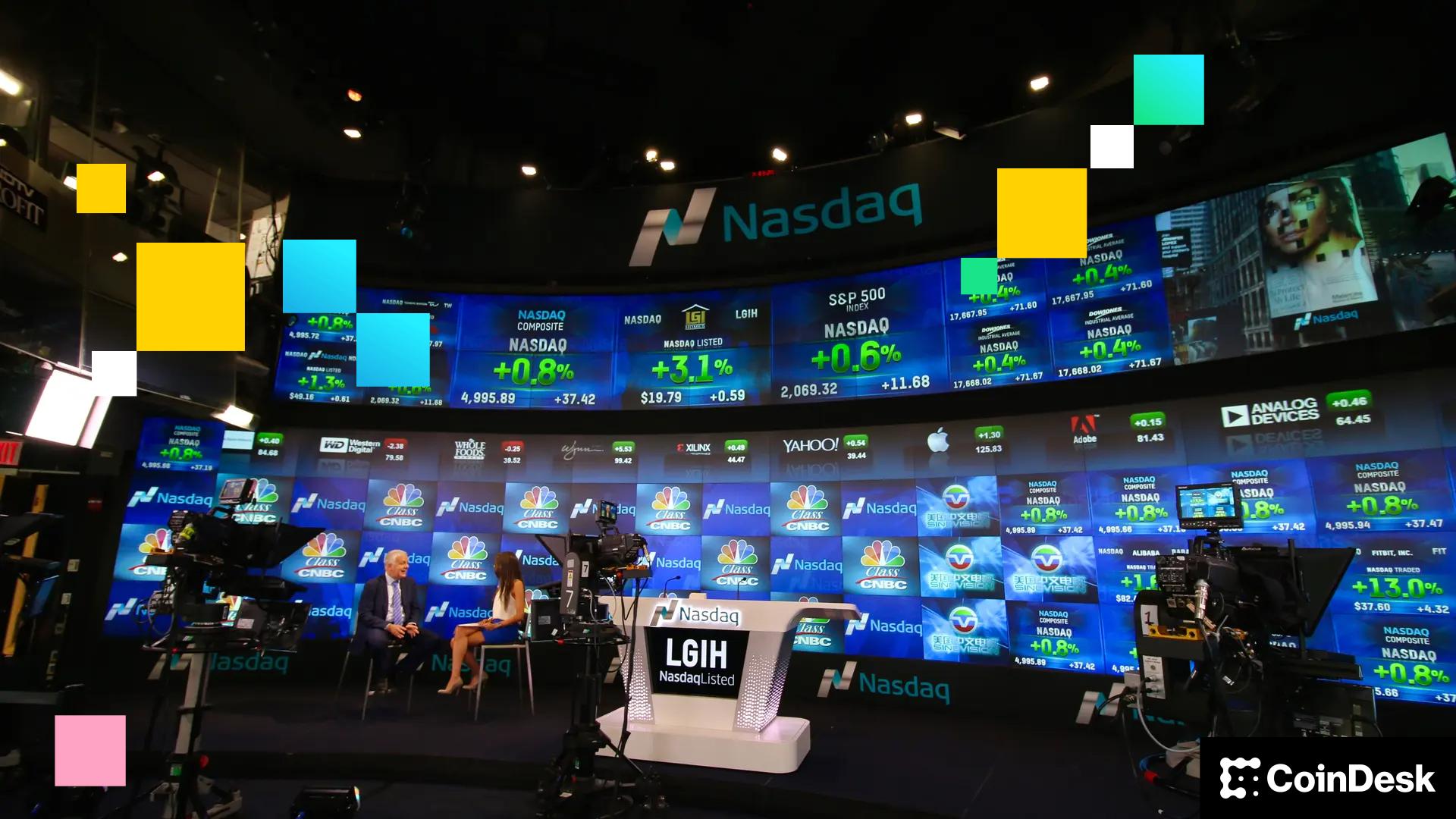
The findings come as major exchanges prepare to offer 24/7 trading for tokenized assets. CME Group plans to launch around-the-clock trading for its crypto derivatives by May 29, and both the New York Stock Exchange (NYSE) and Nasdaq have announced plans to offer continuous trading of tokenized stocks. However, Brickken’s survey suggests that issuers are not necessarily driving this push for extended trading hours.
“It’s less about getting ahead of demand and more about exchanges evolving their business model,” Jordi Esturi, Brickken’s Chief Marketing Officer, told CoinDesk. “Exchanges increase revenue by increasing trading volume, and extending trading hours is a natural lever.”
According to the Brickken report, 69.2% of respondents have already completed the tokenization process and are live, with another 23.1% currently in progress. A significant portion, 46.2%, anticipate secondary market liquidity within six to twelve months, while 38.4% do not currently require it. This suggests a phased approach, with issuers initially focused on establishing a solid foundation before prioritizing liquidity.
The survey also reveals a shift in the types of assets being tokenized. While real estate accounted for 10.7% of assets tokenized or planned for tokenization, equity/shares represent the largest segment at 28.6%, followed by intellectual property and entertainment-related assets at 17.9%. Respondents represent a diverse range of sectors, including technology platforms (31.6%), entertainment (15.8%), private credit (15.8%), and renewable energy (5.3%).
Regulatory hurdles remain a significant challenge. A substantial 84.6% of respondents reported experiencing some level of regulatory friction, with 53.8% stating that regulation has slowed their operations. Despite these challenges, companies are proactively addressing compliance concerns. “Compliance isn’t something issuers are dealing with after launch; it’s something they’re taking into account and configuring from day one,” said Alvaro Garrido, founding partner at Legal Node.
Ondo, a firm specializing in tokenized U.S. Treasuries and now expanding into stocks and ETFs, emphasizes the importance of assets with established price discovery and liquidity. “You tokenize something either to make it easier to access or to use it as collateral,” Ondo Chief Strategy Officer Ian de Bode said in a recent interview with CoinDesk. “Stocks fit both, and they price like assets people actually understand.” He added that 24/7 trading would be a significant benefit, removing a key bottleneck for the firm.
Brickken’s Esturi distinguished between “optional liquidity and mandatory liquidity,” noting that many private market issuers operate on longer time horizons. He emphasized that liquidity must scale in parallel with issuance volume and institutional adoption, rather than preceding it. Patrick Hennes, head of digital asset servicing at DZ PRIVATBANK, highlighted the importance of “issuance infrastructure that translates regulatory requirements, investor protection and asset servicing standards into programmable systems” as the key bridge between traditional and decentralized finance.
