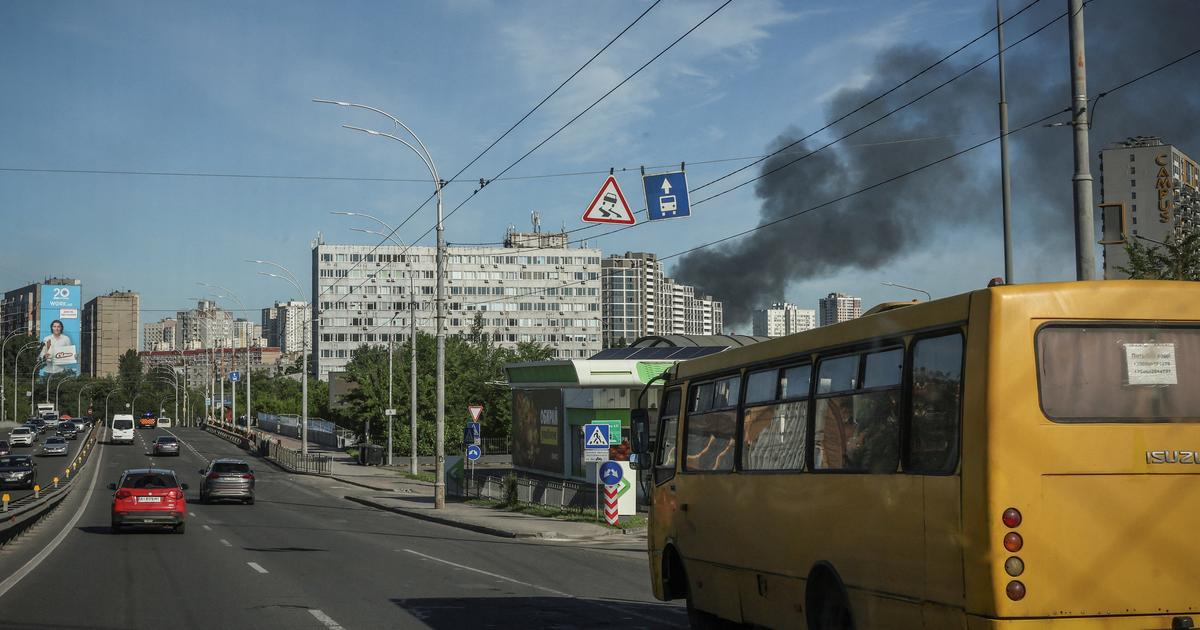
Russia Shoots Down 354 Ukrainian Drones in Single Night: Defense Ministry Reports Massive Strike Over Its Territory
A Ukrainian drone strike on a Moscow-to-Crimea bus killed nine civilians and wounded dozens on June 3, 2026, escalating tensions in Russia’s occupied territories. The attack, claimed by Kyiv, follows Moscow’s admission of 354 Ukrainian drones shot down overnight—yet this strike penetrated deep into Russian airspace, exposing vulnerabilities in Putin’s defense perimeter. While the Kremlin frames it as “terrorism,” local officials describe a shattered trust in travel safety across the Black Sea corridor.
The Strike’s Ripple: How a Single Attack Unravels Regional Stability
This wasn’t just another drone strike. It was a surgical blow to Russia’s narrative of invincibility. The bus route—Moscow to Sevastopol, the symbolic heart of Crimea—carried not just passengers but propaganda: a daily reminder of Russia’s “reunified” territories. The attack shattered that illusion, forcing Moscow to confront a harsh reality: its air defenses, once touted as impenetrable, now face a relentless Ukrainian campaign that targets civilian infrastructure to maximize psychological impact.
“This strike proves the war has no borders. Crimean residents who believed they were safe now face the same horrors as those in Donbas. The government’s silence only deepens the fear.”
1. The Human Toll: More Than Just Deaths
The nine fatalities—confirmed by Russian emergency services—are the most visible cost. But the real damage lies in the psychological trauma spreading through Crimea and southern Russia. Passengers described scenes of chaos: drones streaking overhead, the bus swerving to avoid debris and the sickening thud of impact. For Crimean Tatars—many of whom still grieve the 2014 annexation—the attack reignited memories of occupation and violence.
Local hospitals, already strained by the war economy, are bracing for a surge in PTSD cases. The Russian Ministry of Health has issued emergency guidelines for trauma counseling, but critics warn the system is ill-equipped for a population now conditioned to expect war at any moment.
2. The Strategic Blunder: Why This Strike Matters More Than Numbers
Russia’s defense ministry boasted of shooting down 354 drones overnight—a record, they claimed. Yet this strike slipped through. The question now isn’t just about air defense failures but about operational intent. Ukrainian forces have shifted from high-value military targets to symbolic ones: civilian transit hubs, government buildings, and now, intercity buses. The message is clear: Russia’s war machine is vulnerable, and its people are not safe.
| Metric | 2025 Data | 2026 Trend (YTD) | Impact of June 3 Strike |
|---|---|---|---|
| Drones intercepted over Russia | 1,245 (full year) | 1,872 (Jan–May 2026) | Penetration of Moscow-Crimea corridor signals escalation in civilian-targeted strikes |
| Civilian casualties in Crimea | 12 (2025) | 37 (Jan–May 2026) | Single attack accounts for 24% of 2026’s toll |
| Bus route suspensions | 0 (pre-2026) | 3 active routes suspended (as of June 3) | Logistical collapse in Black Sea transit |
3. The Economic Fallout: Who Pays the Price?
Crimea’s economy is already a shadow of its pre-annexation self. Sanctions, exodus of skilled labor, and chronic underinvestment have left the peninsula dependent on Moscow’s subsidies. This strike accelerates the decline:
- Tourism collapse: The region’s lifeline. Sevastopol’s hotels—already operating at 30% capacity—now face cancellations as travelers avoid the “drone zone.” Local chambers of commerce are urging alternative tourism operators to pivot to safer Russian destinations.
- Supply chain paralysis: The Moscow-Crimea route transported 12,000 tons of goods monthly. With routes suspended, Crimean businesses now face delays of up to 10 days for critical supplies, pushing inflation higher.
- Insurance crisis: Russian insurers are quietly revising policies for Black Sea transit. Premiums for bus companies have spiked 400% overnight, making routes unprofitable. The government may nationalize fleets to maintain “essential services.”
4. The Legal Gray Zone: Can Russia Retaliate Without Escalating?
Moscow’s options are limited. A full-scale military response risks drawing NATO into Crimea—a red line even Putin won’t cross. Instead, expect:
- Cyberattacks on Ukrainian infrastructure: Already underway, but with expanded targets. Ukrainian power grids, rail networks, and even civilian drones may face disruptive campaigns to pressure Kyiv.
- Legal maneuvering: Russia may declare the strike an “act of terrorism” to justify anti-Ukrainian sanctions on neutral shipping companies facilitating grain exports—a move that could trigger global food shortages.
- Internal crackdown: Expect heightened surveillance in Crimea and southern Russia. Local officials are already warning residents against “suspicious activity,” including photography near transit hubs.
“This attack changes everything. The Kremlin can’t afford to look weak, but every retaliatory step risks dragging Russia deeper into a quagmire. The question is: How far will they go before the war consumes them?”
The Directory Bridge: Who Can Help?
This strike exposes systemic failures that demand immediate solutions:

- Emergency Response: Crimean hospitals are overwhelmed. Securing vetted medical evacuation teams and trauma psychologists is critical. Regional disaster relief coordinators must step in to manage the influx of injured and displaced.
- Legal & Insurance: Businesses face unprecedented risks. Specialist war-zone liability attorneys are needed to navigate sanctions and insurance claims. Cybersecurity law firms can help companies prepare for retaliatory digital attacks.
- Economic Resilience: Crimea’s economy is on the brink. Logistics consultants specializing in sanctions-compliant supply chains can help businesses adapt. Insurance brokers with expertise in high-risk transit are urgently required.
The Long Game: What Comes Next?
This strike is a turning point. Ukraine has proven it can strike where it hurts most: not just military targets, but the civilian infrastructure that keeps Russia’s war machine running. For Moscow, the response will be a mix of brute force and desperation. For Crimea, the fallout will be years of instability. And for the world, the question remains: How much more chaos will it take before the cost of this war outweighs the benefits?
The answer lies in the actions of those who can mitigate the damage today. Whether it’s restoring trust in transit, navigating legal minefields, or rebuilding shattered economies, the professionals in our directory are the first line of defense against the next wave of instability. The clock is ticking.
- Sana Sheraz argues respecting elders can teach children to suppress feelings
- Lokman Yeung Plays King of Hell in New Legal Drama Hell Lawyer
- NATO Commander Alexus Grynkewich to Present Russia Defense Strategy (newsy-today.com)
- Saudi Arabia, Turkey and Pakistan Activate Joint Defense Pact Against Houthi Attacks (archyde.com)