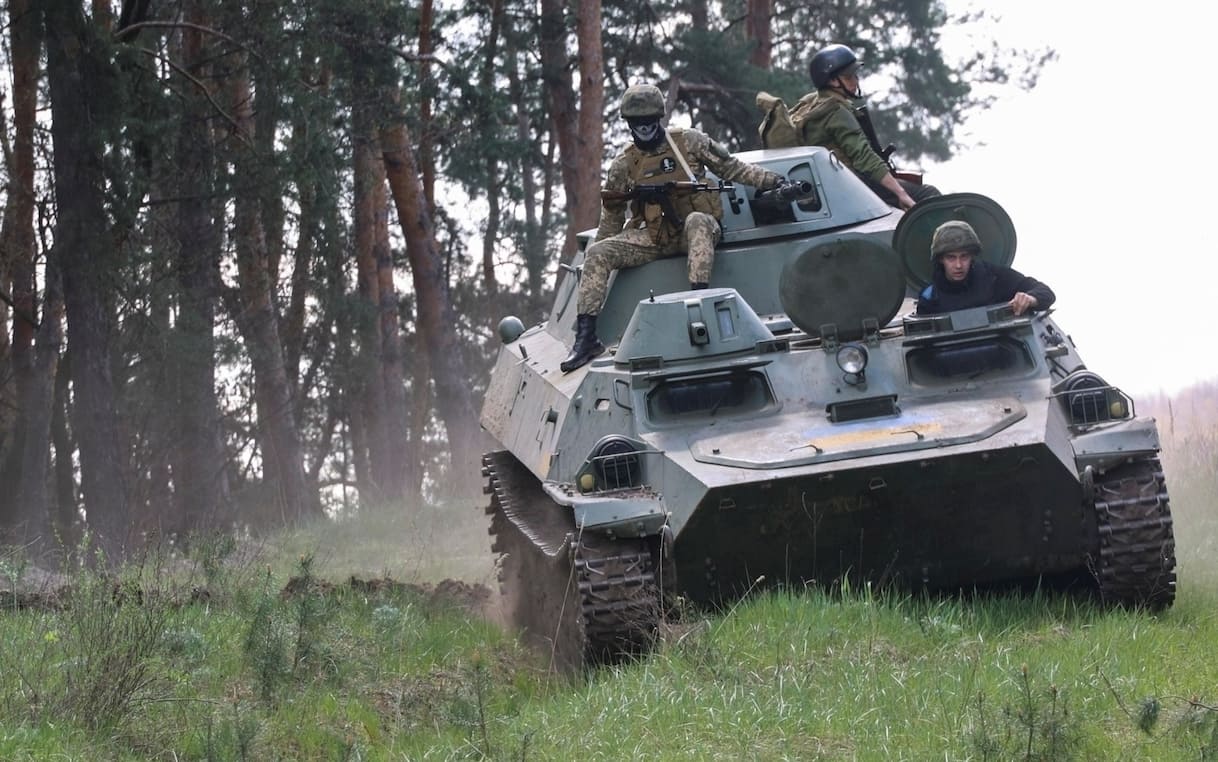
Russia Intensifies Ukraine Offensive Amid Sanctions Controversy
On April 19, 2026, a Russian drone strike in northern Ukraine killed a 16-year-old civilian and wounded four others near Chernihiv, underscoring the Kremlin’s relentless targeting of civilian infrastructure despite stalled peace talks and renewed Western sanctions pressure, a pattern that disrupts grain exports, destabilizes Eastern European supply chains, and compels multinational firms to reassess operational risk in the Black Sea corridor.
The Human Cost as a Strategic Signal
The latest raid, confirmed by Ukrainian emergency services and corroborated by OSCE monitors, hit a residential area in the village of Semenivka, approximately 30 kilometers south of the Belarus border. Even as Russian officials characterize such strikes as “precision targeting of military logistics,” independent analysts note a consistent pattern: attacks intensify during diplomatic lulls to pressure Kyiv into concessions. The killing of a minor—identified locally as Andriy Melnyk—has triggered renewed condemnation from Brussels and Warsaw, with Poland’s foreign ministry summoning the Russian chargé d’affaires for the third time this month.
This is not isolated violence. Since January 2026, Russian drone and missile strikes on northern Ukrainian oblasts have increased by 40% compared to the same period in 2025, according to data from the Conflict Armament Research (CAR) group. The shift coincides with Moscow’s renewed focus on stretching Ukrainian air defenses along its northern flank, aiming to force redeployment of troops from the devastated Donbas front.
Sanctions, Sovereign Risk, and the Grain Corridor
The attack arrives amid a volatile backdrop: the U.S. Treasury’s recent decision to allow limited licenses for European firms to purchase Russian oil via third-country intermediaries—a move Zelensky denounced as “direct funding of war crimes”—has complicated the sanctions landscape. While Washington frames the waivers as necessary to stabilize global energy markets, Kyiv argues they undermine the economic pressure needed to halt Russian aggression.
Meanwhile, Ukraine’s State Emergency Service reported that the Chernihiv strike damaged a local grain storage facility, adding to cumulative losses of over 12 million tons of stored grain since February 2022. This has direct implications for global food security: Ukraine remains a critical supplier of wheat to North Africa and Southeast Asia, and disruptions to northern logistics hubs increase reliance on costlier overland routes through Romania, and Poland.
“When civilian infrastructure is hit repeatedly, it’s not just a humanitarian tragedy—it’s a supply chain earthquake. Insurers are now pricing war risk premiums into Black Sea freight contracts at levels not seen since 2022, and traders are rerouting shipments through the Danube corridor, increasing transit times by 11 days on average.”
Macro-Market Bridging: From Battlefield to Balance Sheet
The ripple effects extend far beyond the battlefield. Foreign direct investment (FDI) into Ukraine’s manufacturing sector fell 62% year-on-year in Q1 2026, per the National Bank of Ukraine, as firms cite unpredictable strike patterns and deteriorating grid reliability. German automakers, which had begun piloting component assembly in western Ukraine, have paused expansion plans, citing force majeure clauses triggered by repeated air raid alerts.
This uncertainty is accelerating demand for specialized risk mitigation services. Multinational agribusinesses reliant on Ukrainian grain are increasingly consulting with global risk advisors to model cascade failure scenarios in Eastern European supply chains. Simultaneously, energy traders navigating the complex web of sanctions waivers and secondary penalties are turning to international trade lawyers with expertise in OFAC and EU sanctions circumvention rules.
The Black Sea Grain Initiative’s collapse in 2023 left a vacuum now partially filled by the EU’s Solidarity Lanes—but these land routes face capacity constraints. A World Bank report from March 2026 estimated that overland export costs for Ukrainian grain have risen 34% since the full-scale invasion, eroding competitiveness against Argentine and Australian suppliers. For logistics firms, this creates both pressure and opportunity: those offering multimodal solutions integrating rail, barge, and road transport are seeing increased RFPs from grain exporters seeking to bypass Black Sea volatility.
Diplomatic Stallo and the Minsk Gambit
Zelensky’s warning—that Moscow seeks to “drag Belarus into war” by exploiting Lukashenko’s regime—gains credence amid rising Russian troop concentrations near the Ukrainian-Belarusian border. Satellite imagery from Maxar Technologies shows new ammunition depots and electronic warfare units deployed in the Mogilev region since March, suggesting preparation for a potential northern offensive aimed at fixing Ukrainian reserves.
Belarus, meanwhile, walks a tightrope. While Lukashenko has permitted Russian training exercises on its soil, he has avoided direct combat involvement, wary of triggering Article 5 responses from NATO. Yet economic dependence on Moscow has deepened: Russian loans now constitute 41% of Belarus’s external debt, per the IMF’s April 2026 review, limiting Minsk’s strategic autonomy.
“The Kremlin’s strategy is clear: stretch Ukraine’s defenses thin enough to create operational openings, while using economic levers to keep Minsk from breaking away. It’s a two-front pressure campaign—military and financial—and it’s working slower than Putin hoped, but it’s working.”
The Editorial Kicker: Navigating the New Normal
In an era where a drone strike in a Ukrainian village can shift grain prices in Cairo and trigger compliance reviews in Geneva, the line between battlefield and balance sheet has vanished. The killing of a 16-year-old is not merely a war crime—it is a data point in a broader calculus of risk that now informs decisions in corporate boardrooms from Singapore to São Paulo.
For firms operating in or adjacent to conflict zones, the imperative is no longer just about resilience—it’s about foresight. The most agile actors are those who integrate real-time conflict intelligence with scenario planning, leveraging expertise from vetted global political risk consultants to anticipate not just where the next strike might fall, but how it will reverberate through currency markets, insurance pools, and trade finance networks.
As the world watches the slow grind of attrition in Eastern Europe, the true measure of leadership lies in recognizing that stability is no longer a given—it is a service to be procured, analyzed, and paid for. For those seeking to navigate this landscape with clarity, the World Today News Directory remains the essential gateway to the specialists who turn geopolitical chaos into actionable insight.