Rugby Australia Insists 2027 World Cup Windfall Must Be Ringfenced
Public sympathy for Australia’s professional rugby players has narrowed sharply just as the collective bargaining agreement nears its October 31 expiration, following a heavy defeat to New Zealand and a public dispute over upcoming World Cup revenue.
Collective Bargaining Deadline Nears as Pay Dispute Surrounds World Cup Windfall
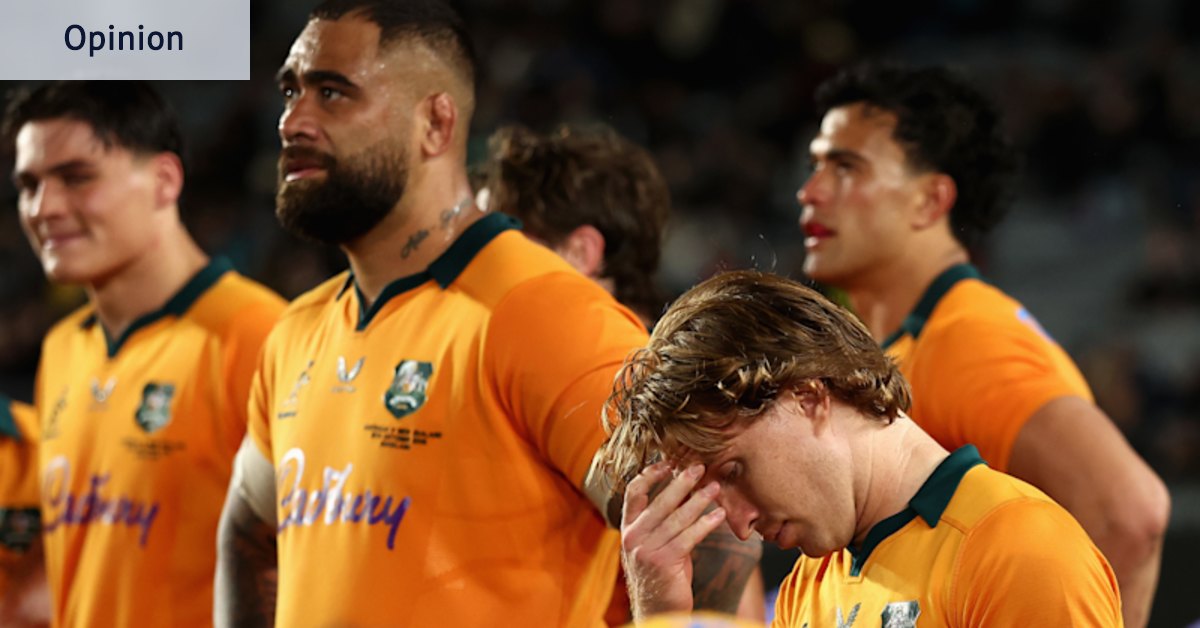
Rugby Union Players Association chief executive Adrian Turner went public a fortnight ago with dissatisfaction regarding Rugby Australia and the handling of the upcoming World Cup hosting fee. Public backing for the players’ demands likely fell away after the Wallabies absorbed a 50-19 thrashing from the All Blacks at Eden Park on October 10, 2026, according to reporting by rugby columnist Paul Cully for The Sydney Morning Herald.
At the center of the dispute is Turner’s objection to Rugby Australia’s proposal that players receive no share of the hosting fee attached to the 2027 tournament. Turner told The Sydney Morning Herald that excluding players from the hosting revenue is unacceptable. Columnist Paul Cully countered that the funds represent legacy money intended to support the broader sport long after the current playing cohort departs.
Financial Realities of Hosting Major International Tournaments
World Cup years present significant financial strains for participating unions, reducing home Test fixtures and keeping operating margins tight. Without the reported $100 million World Cup windfall, Rugby Australia faces substantial deficits following a reduced 2026 home calendar. Financial projections for major fixtures such as the British and Irish Lions tour require spreading revenue streams across a 12-year window, while hosting the men’s World Cup spans a timeline exceeding two decades.
Those occasional revenue spikes reflect Australia’s sports infrastructure and government backing rather than recent high-performance success on the pitch. The Wallabies currently hold the No. 6 world ranking, while maintaining four professional club teams—a footprint comparable to Ireland and South Africa, contrasting with Argentina’s zero and Scotland’s two.
Global Financial Pressures Across International Rugby Unions
Financial contraction extends beyond Australian borders. New Zealand Rugby has identified a $NZ20 million annual deficit, prompting proposals for a 5-7 percent funding reduction across the game to maintain operations. With Australian players also maintaining access to international markets in Japan and Europe, Rugby Australia insists the 2027 windfall must remain ringfenced to preserve domestic structures for future generations.
Disclaimer: The insights provided in this article are for informational and entertainment purposes only and do not constitute medical advice or sports betting recommendations.