
Researchers Dig Deep to Protect Rare River Lamprey in Northern Netherlands
GASTEREN – A chorus of “Sludge! No shot!” echoes along the Gastersche Diepje as researchers from the Hunze en Aa’s Water Board meticulously sift through riverbed sediment, searching for a critically endangered species: the river lamprey. The annual survey, vital to understanding the lamprey’s spawning habits, underscores the precarious existence of this ancient fish in the region.
The river lamprey, a jawless fish wiht a remarkable migratory life cycle, is clinging to survival in the Northern Netherlands, with the Gastersche Diep serving as its only remaining spawning ground.This localized population, isolated from others in the Veluwe, Achterhoek, and even Limburg, faces unique challenges. Understanding its needs is crucial for conservation efforts, as the species’ continued presence here is increasingly threatened by habitat changes and water quality.
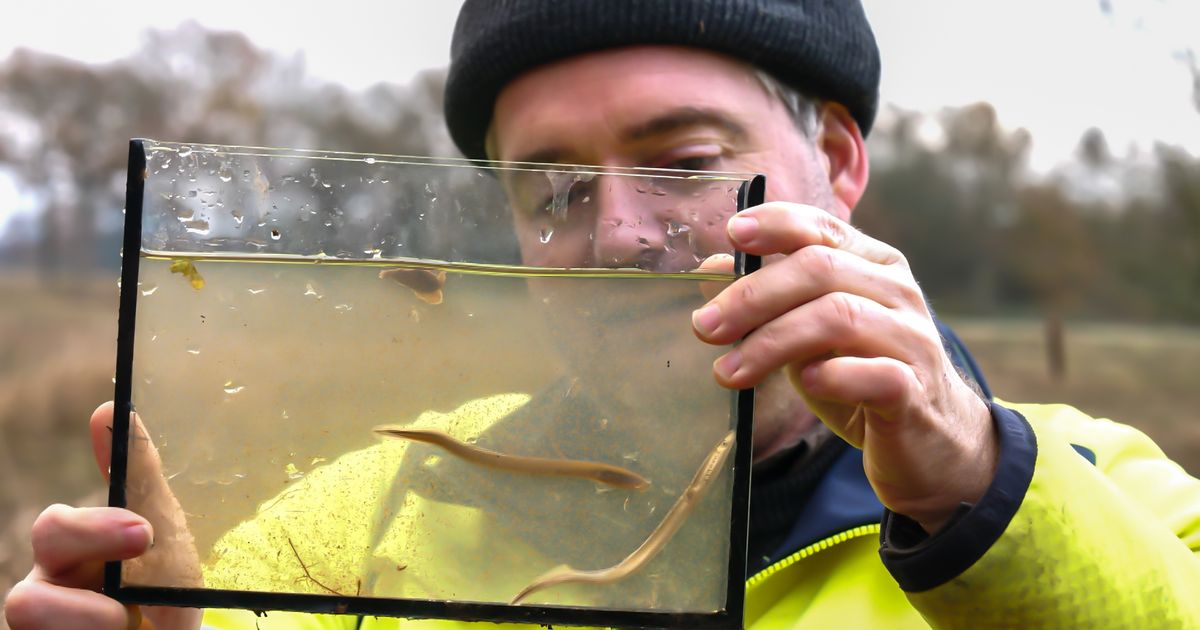
Each year, researchers sample a 250-meter stretch of the Diepje, using a ten-kilogram metal grab to collect sediment from the stream bed. “We carefully sieve everything we bring up,” explains Peter Paul Schollema of the hunze en Aa’s Water Board. “We look at what lives in the bottom and what kind of material is present. When we find river lampreys, we measure them and determine their age. This gives us a good idea of the spawning grounds and how the river lamprey develops here.”
Along with the annual intensive survey, a larger 7.5-kilometer section is sampled comprehensively every three years. This broader assessment provides a wider view of the lamprey’s distribution and overall health within the waterway.
The river lamprey undertakes an unusual journey,navigating from the Wadden Sea through the Eemskanaal,the city of Groningen,and the Drentsche Aa before returning to gasteren to spawn. The species’ ability to find its way to this specific location makes its preservation all the more critical, and ongoing research is essential to ensure its future in the Northern Netherlands.
