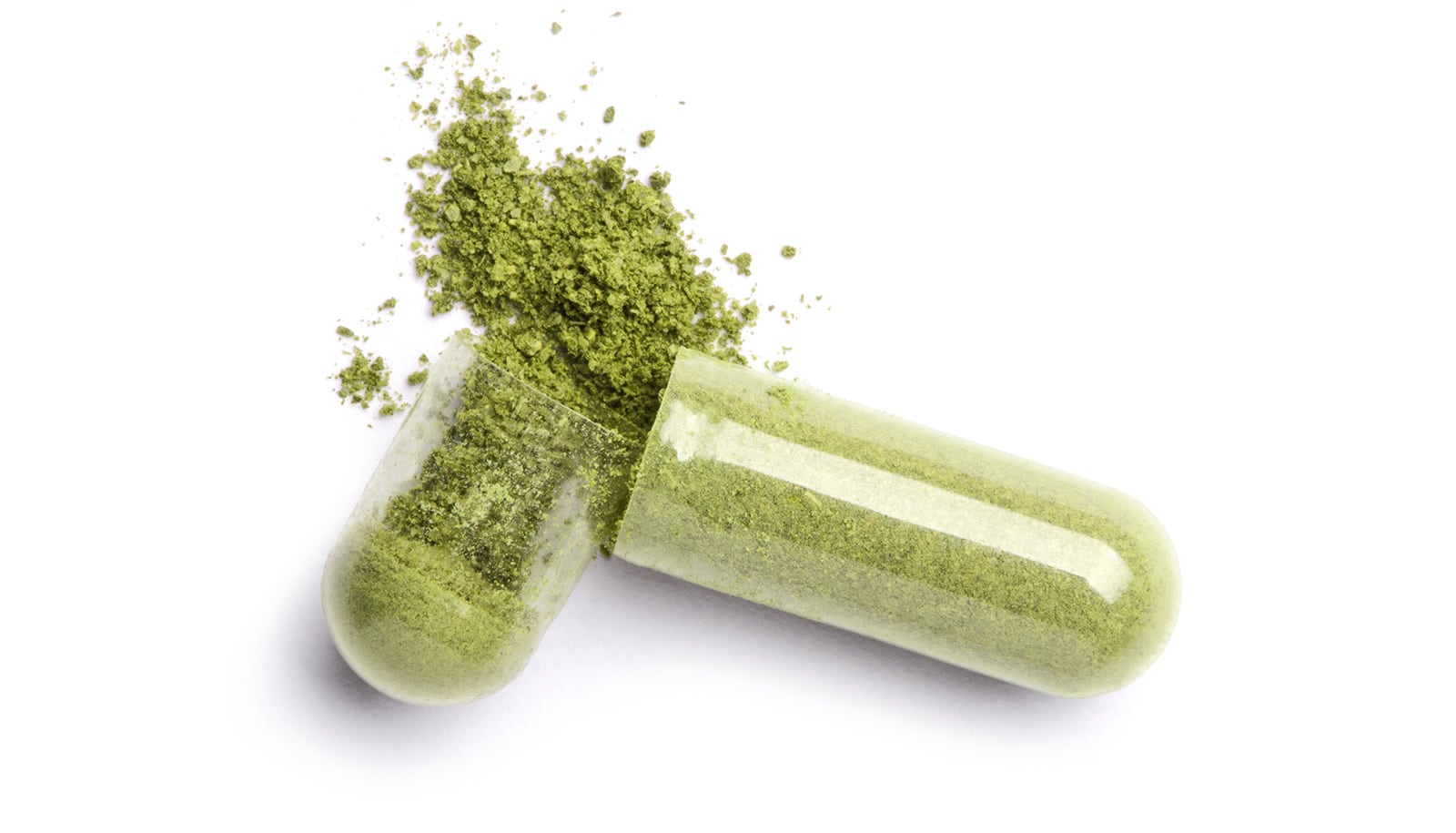
Rising Kratom Use in US Linked to Mental Health and Addiction
The proliferation of kratom across the United States has evolved from a niche herbal trend into a significant public health concern. As availability expands through digital marketplaces and retail outlets, the clinical community is now grappling with an escalating pattern of use among young adults and children, often intertwined with complex psychiatric comorbidities.
- Key Clinical Takeaways:
- Lifetime kratom use in the U.S. Has surpassed 5 million individuals, including over 100,000 adolescents aged 12-17.
- A strong correlation exists between kratom use and existing substance use disorders, major depression, and severe psychological distress.
- Synthetic derivatives like 7-hydroxymitragynine (7-OH) present a heightened risk, offering potency levels 5 to 50 times higher than natural leaf extracts.
The current clinical landscape is marked by a dangerous regulatory asymmetry. While proponents frame kratom as a natural alternative for pain and anxiety management, a landmark national study published in the Journal of Addiction Medicine reveals a more troubling trajectory. The research, led by Sean Esteban McCabe, a professor at the University of Michigan School of Nursing and director of the Center for the Study of Drugs, Alcohol, Smoking and Health (DASH), indicates that the prevalence of kratom use is at an all-time high, despite the fact that approximately half of U.S. States have already implemented bans or regulations.
This research, funded by the National Institute on Drug Abuse (NIDA) of the National Institutes of Health (NIH), analyzed data from the National Survey on Drug Use and Health collected from U.S. Households between 2021 and 2024. The findings underscore a critical epidemiological shift: the share of Americans aged 12 and older who have used kratom rose from 1.6% in 2021 to 1.9% in 2024. The most acute increase is observed among adults aged 21-34, where 3.4% report lifetime use and approximately 1% report use within the past year.
The Pathogenesis of Dependency and the 7-OH Crisis
From a pharmacological perspective, kratom’s primary psychoactive alkaloid, mitragynine, acts as a partial agonist at $mu$-opioid receptors, which explains its perceived analgesic and sedative effects. However, the emergence of concentrated synthetic derivatives has fundamentally altered the risk profile of these products. Specifically, 7-hydroxymitragynine (7-OH) is now being aggressively marketed in gas stations, smoke shops, and online platforms as “legal morphine.”
“Policy changes regarding kratom and 7-OH products are needed in all states if we are serious about protecting our children,” states McCabe. He notes that the current user base of five million people exceeds the combined populations of the six smallest U.S. States.
The potency of 7-OH—ranging from five to 50 times that of standard kratom—increases the probability of acute toxicity and the development of severe substance use disorders. For clinicians, this represents a significant challenge in triage and acute care. When patients present with opioid-like withdrawal or overdose symptoms, the presence of 7-OH may complicate the standard of care. For families and individuals struggling with the transition from herbal supplements to high-potency derivatives, seeking guidance from vetted [Addiction Specialists/Behavioral Health Clinics] is essential to manage the complex withdrawal syndromes associated with these alkaloids.
Psychiatric Comorbidities and the Diagnostic Gap
The Journal of Addiction Medicine study highlights a stark association between kratom use and mental health instability. A significant portion of the surveyed population reported concurrent cannabis use and a history of substance use disorder. More concerning is the prevalence of major depression and serious psychological distress among users. While the study’s cross-sectional nature prevents a definitive determination of causality—meaning it is unclear if kratom use triggers these symptoms or if individuals with pre-existing mental health struggles are more likely to seek out kratom—the correlation is clinically undeniable.
This intersection of poly-substance use and psychiatric morbidity necessitates a multidisciplinary approach to treatment. Patients often utilize kratom to self-medicate for untreated depression or chronic pain, creating a cycle of dependency that masks the underlying pathogenesis of their condition. To break this cycle, integrated care models are required, combining pharmacological intervention with cognitive-behavioral therapy.
Compounding this issue is a critical gap in diagnostic capabilities. Because kratom does not appear on standard toxicology screens, use is frequently under-reported in clinical settings. Detecting mitragynine and its metabolites requires specialized testing that is not yet a baseline in most urgent care or primary care environments. This diagnostic blind spot often leads to misdiagnosis or incomplete patient histories. Healthcare facilities looking to modernize their screening protocols should partner with accredited [Toxicology Labs/Diagnostic Centers] to ensure accurate detection of non-traditional alkaloids.
Navigating the Regulatory Fragmented Landscape
The lack of a unified federal stance on kratom has created a legal patchwork that complicates public health responses. While the U.S. Drug Enforcement Administration (DEA) has flagged kratom as a drug or chemical of concern and the FDA has not approved it for any medical use, the actual enforcement varies wildly by state. This inconsistency creates “regulatory havens” where high-potency 7-OH products can be sold without oversight, often targeting vulnerable youth populations.

For medical practices and pharmacies, this volatility introduces significant liability and compliance risks. Navigating the shifting definitions of what constitutes a “legal supplement” versus a “controlled substance” requires precise legal navigation. Many healthcare organizations are currently retaining [Healthcare Compliance Attorneys] to audit their procurement and patient screening protocols to avoid inadvertent violations of state-specific statutes.
As we move further into 2026, the trajectory of kratom use suggests that “natural” labeling is no longer a sufficient safeguard for public health. The transition from leaf-based powders to synthetic, high-potency 7-OH liquids and gummies represents a shift toward a more traditional opioid crisis model. The medical community must move beyond viewing kratom as a benign herbal supplement and instead treat it as a potent pharmacological agent with significant potential for morbidity. Future research must focus on longitudinal studies to determine the exact mechanisms of addiction and the long-term neurological impact of 7-OH on the adolescent brain.
the rise of kratom is a symptom of a broader gap in accessible mental health and pain management services. Addressing this epidemic requires more than just prohibition; it requires a robust infrastructure of vetted medical professionals capable of treating the whole patient. To find a certified provider specializing in substance use disorder or psychiatric care, please consult our directory of board-certified healthcare professionals.
Disclaimer: The information provided in this article is for educational and scientific communication purposes only and does not constitute medical advice. Always consult with a qualified healthcare provider regarding any medical condition, diagnosis, or treatment plan.