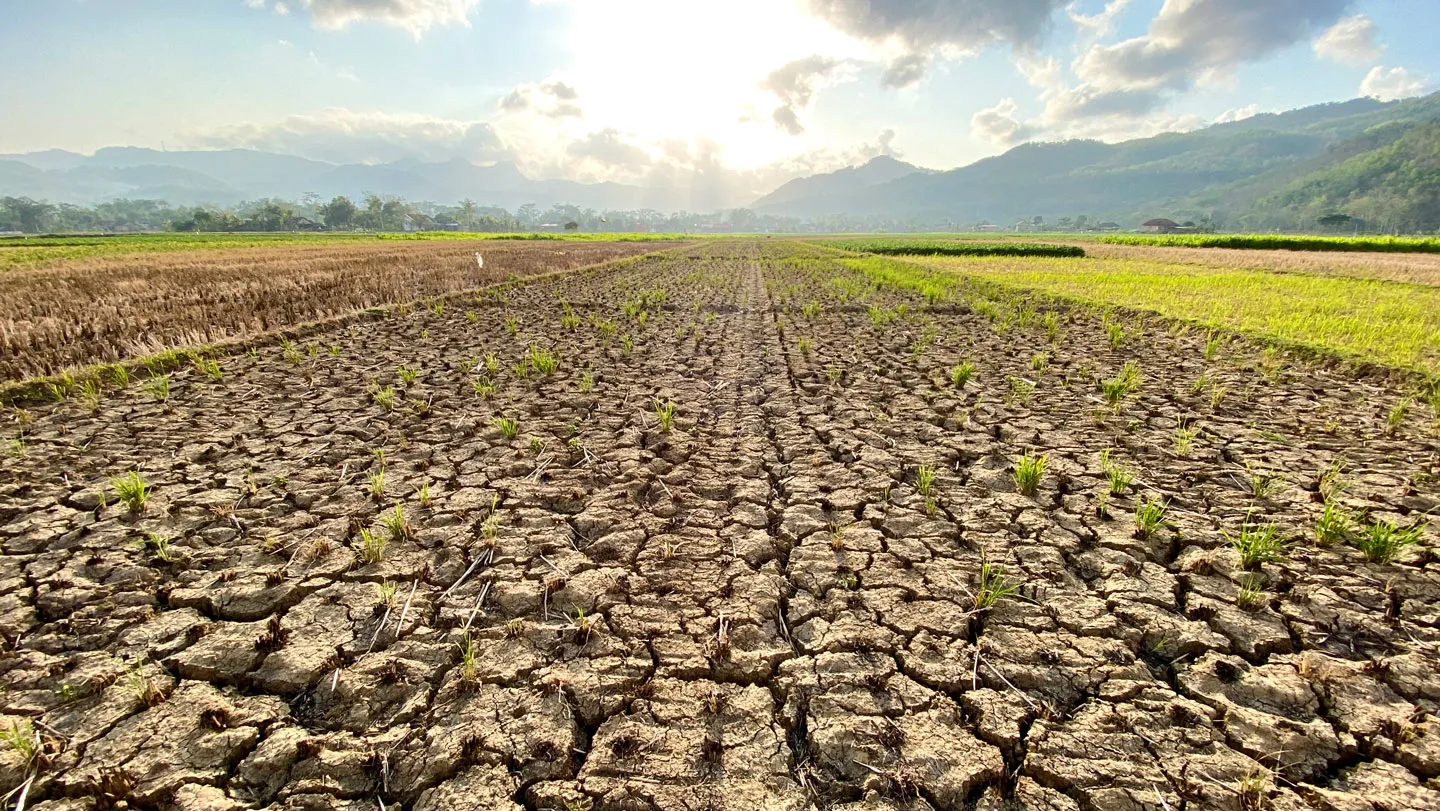
Rising Heat and Drought May Drive Bacteria to Share Antibiotic Resistance Genes, Threatening Human Health
As global temperatures climb and extreme weather patterns intensify, an underappreciated consequence is emerging: climate change may be accelerating the spread of antibiotic resistance, threatening to undermine decades of progress in infectious disease control. Rising heat and prolonged drought are creating environmental conditions that favor bacterial adaptation, particularly the horizontal transfer of resistance genes among microbial communities in soil, water, and even the human microbiome. This convergence of ecological stress and microbial evolution presents a silent but growing public health challenge, one that demands heightened vigilance from clinicians, epidemiologists, and policymakers alike.
Key Clinical Takeaways:
- Warmer temperatures and drought conditions increase the rate at which bacteria share antibiotic resistance genes through mechanisms like conjugation and transformation.
- Environmental reservoirs such as contaminated water and soil may serve as amplifiers for resistant strains, increasing human exposure risk.
- Mitigation requires integrated surveillance, antimicrobial stewardship, and climate-resilient public health infrastructure to prevent a post-antibiotic era.
The biological plausibility of this link is grounded in microbial ecology. Elevated temperatures enhance bacterial metabolic rates and membrane fluidity, facilitating the uptake of extracellular DNA—a process known as transformation. Similarly, heat stress can induce the expression of genes involved in plasmid transfer, boosting conjugation efficiency. A 2025 longitudinal study published in The Lancet Planetary Health found that for every 1°C increase in average annual temperature, the prevalence of multidrug-resistant Escherichia coli in community wastewater rose by 8.3% across 42 countries, even after adjusting for antibiotic use and population density. Funded by a consortium of grants from the National Institutes of Health (NIH) and the Wellcome Trust, the research analyzed over 12,000 environmental and clinical isolates collected between 2018 and 2024, revealing a clear correlation between regional heatwaves and spikes in resistance genes such as blaCTX-M and qnrS.
“We’re seeing climate act as a silent catalyst in the resistome—warming doesn’t just select for resistant bacteria; it actively promotes their evolution and spread.”
Beyond genetic exchange, climate-driven disruptions to sanitation and water security compound the risk. In regions experiencing prolonged drought, reduced water flow concentrates pollutants and pathogens, while inadequate sanitation increases the likelihood of human contact with resistant organisms. The World Health Organization (WHO) estimates that by 2050, antimicrobial resistance could cause up to 10 million annual deaths globally, with climate change potentially accelerating this timeline. In the United States, the CDC’s Antibiotic Resistance Laboratory Network reported a 15% rise in carbapenem-resistant Enterobacteriaceae (CRE) cases in the Southwest between 2022 and 2024—a period marked by record-breaking heat and declining groundwater levels—suggesting a possible environmental contribution to clinical outbreaks.
This evolving threat demands a reimagining of clinical preparedness. Infectious disease specialists must now consider environmental exposures when evaluating recurrent or atypical infections, particularly in patients with recent travel to arid or heat-stricken regions. Diagnostic laboratories are urged to expand resistance profiling beyond standard panels to include emerging mechanisms linked to environmental strains. Healthcare systems in vulnerable regions should invest in point-of-care diagnostics and antimicrobial stewardship programs tailored to local resistance patterns.
“Climate change isn’t just about rising seas or extreme weather—it’s altering the microbial landscape in ways that could render our last-line antibiotics obsolete. We need real-time environmental surveillance integrated into clinical decision-making.”
For patients presenting with persistent or worsening infections despite appropriate antibiotic therapy, especially those with exposure to high-risk environments, early consultation with specialists is critical. It is strongly advised to seek evaluation from vetted infectious disease specialists who can guide advanced diagnostic workup and tailored treatment strategies. Healthcare facilities aiming to strengthen their infection control protocols in the face of climate-related risks should engage experienced healthcare compliance attorneys to navigate evolving regulatory expectations around antimicrobial stewardship and environmental health reporting. Finally, diagnostic centers looking to expand their capacity for detecting environmental resistance markers may benefit from partnering with accredited clinical microbiology laboratories equipped for genomic surveillance and phenotypic susceptibility testing.
The path forward lies in bridging clinical medicine with environmental science. As the interplay between climate and microbial resistance becomes clearer, funding mechanisms must support transdisciplinary research—combining genomic epidemiology, climate modeling, and implementation science—to anticipate resistance hotspots before they manifest in clinics. Initiatives like the NIH’s Climate Change and Health Initiative and the EU’s HERA (Health Emergency Preparedness and Response Authority) are beginning to prioritize this nexus, but sustained investment and global coordination remain essential. Without proactive adaptation, the window to preserve antibiotic efficacy may close faster than anticipated.
*Disclaimer: The information provided in this article is for educational and scientific communication purposes only and does not constitute medical advice. Always consult with a qualified healthcare provider regarding any medical condition, diagnosis, or treatment plan.*
- Guide to Healthy Diet and Nutrition for Non-Communicable Disease Prevention
- B-Cell Signature Predicts HBsAg Clearance After Hepatitis B Therapy
- Melinda French Gates on Why Women’s Health is a Societal Crisis (archyde.com)
- NATO Jets Shoot Down Explosive Drone Over Lithuania Amid Rising Tensions (time.news)