
Indonesia Boosts Protection for Migrant Fishermen
Government and labor unions unite to combat exploitation and trafficking in the fisheries sector.
Alarmed by reports of abuse and exploitation, the Indonesian government is intensifying efforts to safeguard its migrant workers in the fisheries sector. Many Indonesian ship crews operate outside legal channels, making them vulnerable to violence and rights violations.
Collaboration for Change
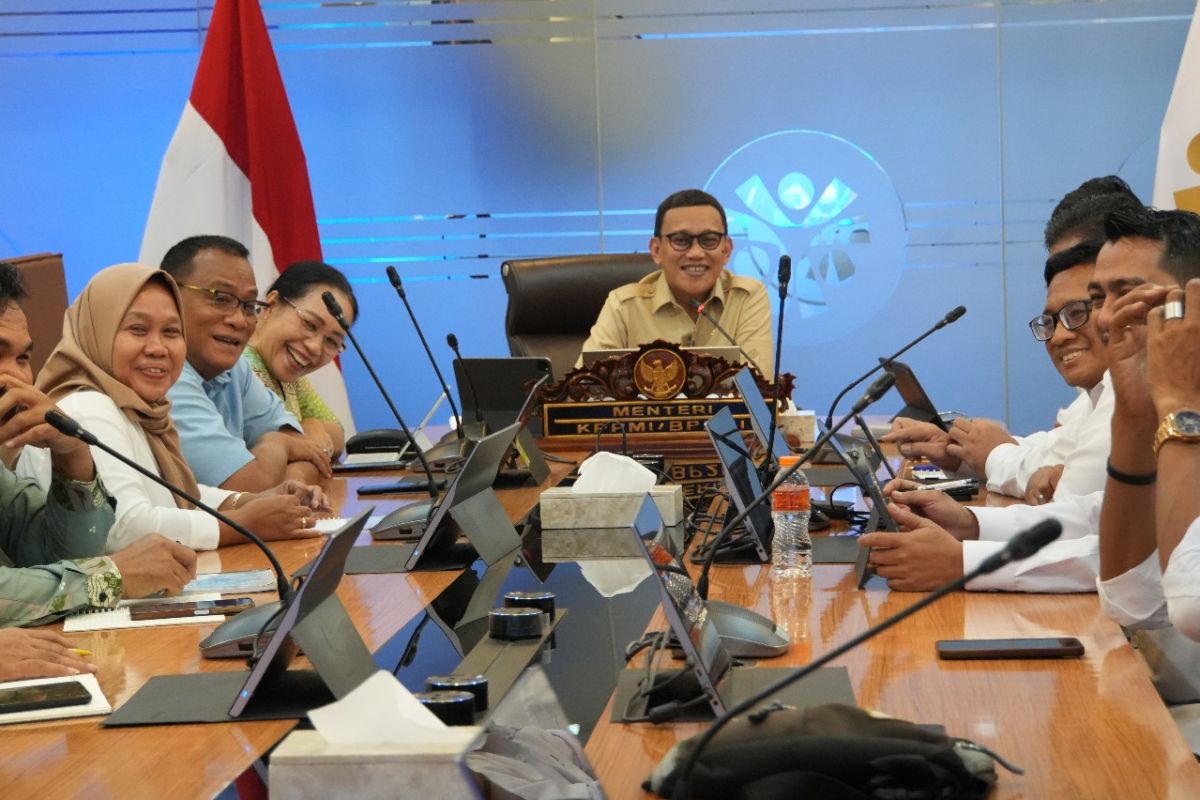
Abdul Kadir Karding, the Protection of Indonesian Migrant Workers Minister (P2MI), met with labor union representatives to discuss enhanced protections for Indonesian migrant workers, especially those working as ship crews. Karding stressed the need for collaboration and system improvements to ensure migrant workers are registered and protected.
“Many of them work abroad, but they are not registered in our system,”
Karding stated.
He noted the risks this poses, including violence and labor rights violations. Some reports even allege workers being dumped at sea.
Scale of the Challenge
Minister Karding revealed that, despite estimates of tens of thousands of Indonesian migrant workers in the fisheries sector abroad, only about two thousand crew members have been documented by 2025.
“If only 10 percent are recorded, it means thousands are working abroad without supervision,”
Karding explained.
To tackle this issue, Karding is calling for a joint working group composed of government officials, labor unions, activists, and civil society organizations. The aim is to map out the problems and prioritize solutions.
Legal Framework and Authority
A key challenge is the transition of authority from the Ministry of Transportation to the Ministry of P2MI, following a Constitutional Court ruling that ship crews are considered migrant workers.
“However, we want everything to be based on law. For example, seafarers’ records will still be handled by the Ministry of Transportation. However, permits for workers’ movement must be approved by the Ministry of P2MI to ensure their registration and protection,”
Karding clarified.
Union Demands Equal Protection
Jumhur Hidayat, President of the Indonesian Confederation of Trade Unions (KSPN), emphasized the need for equal protection for fishermen, both domestically and abroad.
“We hope fishermen, both domestically and internationally, receive equal protection. The government must know where our migrant workers are working, on which vessels, and on what visas. Otherwise, this risks human trafficking,”
he cautioned.
Hidayat also highlighted the weak oversight of crew recruitment companies, which often operate without strict supervision. He also noted that the previous requirement for an Overseas Worker Card (KTKLN) ensured monitoring of departures, but now many work abroad on work visas without reporting their whereabouts.
“Our state must know it, because this is not just a matter of permits, but protection,”
Hidayat stated. He supports stricter regulations to strengthen the protection system, including reinstating control mechanisms to ensure compliance and eradicate trafficking. According to the International Labour Organization, an estimated 16 million people were in forced labour in the private sector in 2021, including in fishing (ILO 2021).
Cross-Sector Consolidation
The meeting was a platform to discuss solutions and encourage cross-sector consolidation. Minister Karding concluded by saying his ministry is ready to learn from all parties involved.
