
Reclaiming Democracy: How Community-Based Decision-Making is Empowering Citizens adn Revitalizing Civic Life
For decades, many have lamented a decline in civic engagement and a growing disconnect between citizens and their government. But a burgeoning movement focused on community-based decision-making – often utilizing participatory budgeting and similar models – is offering a powerful antidote. This approach isn’t just about allocating funds; it’s about fundamentally shifting power dynamics and fostering a renewed sense of ownership over local governance. As Dr. Archon Fung, a Harvard Kennedy School professor, has discovered, these processes are proving surprisingly effective at “putting democracy back into the hands of the people,” even for those initially skeptical of their potential. https://www.hks.harvard.edu/faculty/archon-fung
The Erosion of Civic Trust and the Rise of Participatory Solutions
Traditional models of representative democracy, while foundational, have faced increasing challenges. Declining voter turnout,rising political polarization,and a pervasive sense that elected officials are unresponsive to community needs have contributed to a crisis of civic trust. A 2023 Pew Research Center study found that public trust in the government remains near historic lows,with only 20% of Americans saying thay trust the federal government to do what is right “just about always” or “most of the time.” https://www.pewresearch.org/politics/2023/06/22/public-trust-in-government-remains-low-ahead-of-2024-election/
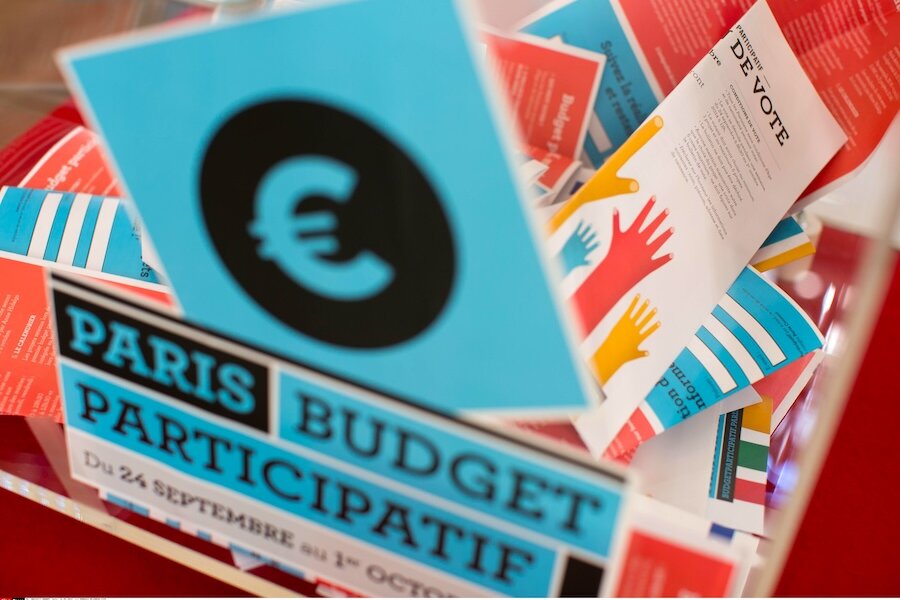
This disillusionment has fueled a search for alternative approaches to governance. Participatory budgeting (PB), a process were community members directly decide how to spend a portion of a public budget, has emerged as a leading example. Originating in Porto Alegre, Brazil, in 1989, PB has since been adopted by cities and organizations worldwide, including New York City, Chicago, and numerous smaller municipalities. https://www.participatorybudgeting.org/
However,the movement extends beyond PB. Citizen assemblies, deliberative polling, and community visioning exercises are all gaining traction as tools for empowering residents and shaping local priorities. These methods share a common thread: they prioritize direct citizen involvement in decision-making, moving beyond simply electing representatives.
How Community-Based Decision-Making Works: A Deeper Dive
The specifics of these processes vary, but several core elements are common:
* Broad Inclusion: Efforts are made to ensure participation from a diverse range of community members, particularly those historically marginalized or underrepresented in civic life. this often involves targeted outreach to specific neighborhoods, language assistance, and childcare provisions.
* Deliberation and Education: Participants are provided with data about the issues at hand and opportunities to discuss them with experts and fellow residents. This fosters informed decision-making and encourages a deeper understanding of complex challenges.
* Direct Voting or Prioritization: Participants directly vote on proposed projects or policies, or they engage in a prioritization exercise to rank their preferences. This ensures that the final decisions reflect the collective will of the community.
* Openness and Accountability: The entire process is conducted transparently, with clear documentation of all stages and decisions. This builds trust and ensures accountability to the community.
Dr. Gilman’s initial skepticism, as reported by the harvard Kennedy School, likely stemmed from concerns about the feasibility and effectiveness of these processes. common criticisms include the potential for low participation rates, the influence of special interests, and the difficulty of reaching consensus. However, research suggests that these challenges can be mitigated through careful design and implementation.
The Benefits Beyond budget Allocation: Efficacy, Connection, and Trust
The impact of community-based decision-making extends far beyond the allocation of funds. As Dr. Fung notes, these processes cultivate a sense of efficacy – the belief that individuals can make a difference in their communities. This feeling of empowerment is crucial for fostering civic engagement and strengthening social cohesion.
“It’s putting democracy back into the hands of the people,” Dr. Fung emphasizes. this isn’t merely a rhetorical flourish. Studies have shown that participation in PB and similar initiatives can lead to:
* Increased civic Knowledge: Participants gain a better understanding of local government, budgeting processes, and community needs.
* Stronger Social Networks: The process brings together residents from diverse backgrounds, fostering connections and building social capital.
* Improved Public Services: Projects selected through participatory processes are frequently enough more responsive to community needs and priorities, leading to more effective public services.
* Reduced Inequality: By prioritizing the needs of marginalized
