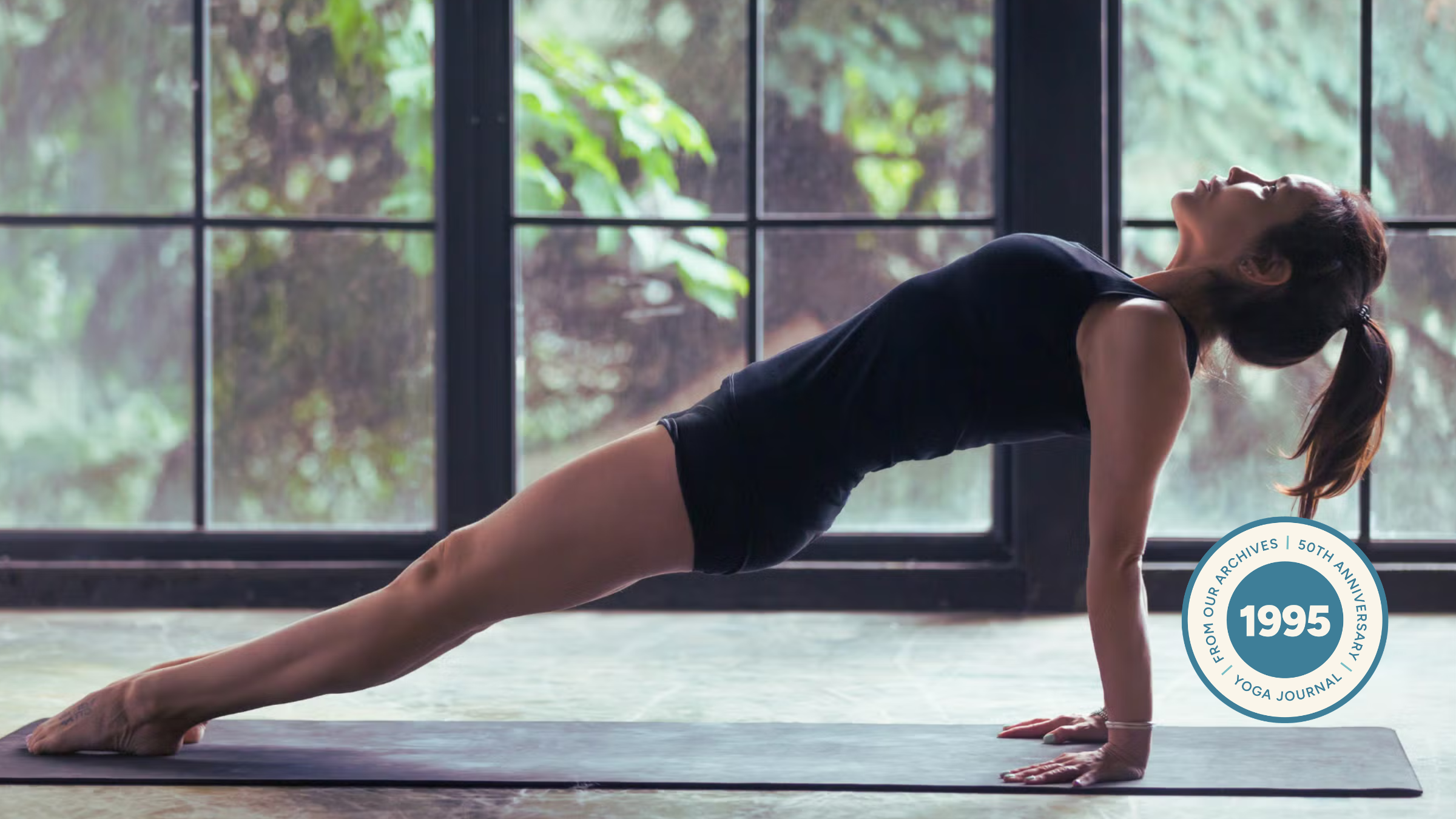
Reverse Plank: Boost Your Strength with Purvottanasana
True physical strength is rarely found in the isolation of a bicep curl or the symmetry of a bench press. Instead, it resides in the integrated capacity of the posterior chain to stabilize the skeletal frame against gravity. Purvottanasana, commonly known as the Reverse Plank, serves as a clinical litmus test for this functional integrity, exposing hidden deficits in our musculoskeletal homeostasis.
Key Clinical Takeaways:
- Posterior Chain Activation: The pose demands simultaneous engagement of the gluteus maximus, hamstrings, and erector spinae to maintain a linear plane.
- Postural Correction: By emphasizing scapular retraction and thoracic extension, it counters the kyphotic posture associated with chronic sedentary behavior.
- Joint Stability: The exercise enhances proprioception and stability within the glenohumeral joint and the wrist complex.
The modern epidemiological landscape is dominated by “Upper Crossed Syndrome,” a postural distortion characterized by tight pectorals and weakened deep neck flexors and lower trapezius muscles. This imbalance is not merely an aesthetic concern; it is a precursor to chronic morbidity, including tension-type headaches and degenerative disc disease in the cervical spine. The clinical gap often lies in the transition from passive treatment—such as manual therapy—to active, weight-bearing stabilization. Purvottanasana addresses this gap by forcing the body to generate force from the backside, challenging the practitioner’s understanding of their own strength.
The Biomechanics of Posterior Stabilization
From a kinesiological perspective, the Reverse Plank is an exercise in isometric tension and kinetic chain integration. To achieve the pose, the practitioner must execute a powerful concentric contraction of the posterior chain while maintaining a rigid core. This prevents the pelvis from sagging, a common failure point that indicates a lack of lumbar stability and weak hip extensors. The biological mechanism involves the recruitment of high-threshold motor units in the glutes and hamstrings to counteract the downward pull of gravity on the torso.

Beyond the lower body, the pose requires significant scapular stability. The muscles surrounding the shoulder blade must work in concert to prevent the humerus from migrating anteriorly, which protects the rotator cuff from impingement. This integration of the upper and lower body is what transforms a simple stretch into a comprehensive strength assessment. For individuals experiencing chronic shoulder instability or recurrent dislocations, attempting this pose without supervision can be risky. It is imperative to consult with board-certified orthopedic surgeons to ensure the joint capsule can withstand the loading forces required for this movement.
“The transition from linear strength to integrated stability is where most athletes fail. The Reverse Plank doesn’t just build muscle; it recalibrates the nervous system’s ability to engage the posterior chain in a functional, weight-bearing environment.” — Dr. Elena Rossi, PhD in Kinesiology and Neuromuscular Control.
Clinical Contraindications and Risk Mitigation
While the benefits of Purvottanasana are substantial, the pose is not universally applicable. The high degree of wrist extension required can exacerbate symptoms of carpal tunnel syndrome or aggravate existing ulnar nerve entrapment. Those with severe osteoporosis or advanced degenerative joint disease in the wrists and shoulders must approach the pose with extreme caution to avoid stress fractures or acute tendon ruptures.
The pathogenesis of wrist pain during this pose often stems from a lack of joint mobility or previous trauma. When the wrist cannot achieve the necessary angle of extension, the load shifts from the musculature to the ligaments, increasing the risk of sprains. To mitigate these risks, a phased progression is recommended. Patients struggling with the full expression of the pose should work with licensed physical therapists to implement modified versions, such as utilizing blocks or adjusting hand placement to reduce the angle of extension.
Research into corrective exercise is frequently supported by university-led grants and public health initiatives, such as those funded by the National Institutes of Health (NIH), emphasizing the role of strength training in preventing age-related frailty. According to global World Health Organization (WHO) guidelines on physical activity, integrating multi-joint strengthening exercises is critical for maintaining metabolic health and skeletal density throughout the lifespan.
Integrating Functional Strength into Long-term Wellness
The shift toward “pre-habilitation”—the practice of strengthening the body to prevent injury before it occurs—has moved the Reverse Plank from the yoga studio into the realm of sports medicine. By strengthening the posterior chain, practitioners can reduce the load on the anterior cruciate ligament (ACL) and lower back, effectively lowering the statistical probability of acute musculoskeletal injuries during high-impact activities.

This holistic approach to strength requires a move away from the “silo” mentality of fitness. Instead of treating the glutes, core, and shoulders as separate entities, the Reverse Plank treats them as a single, cohesive unit. This systemic engagement promotes better blood flow to the fascia and improves the overall efficiency of the musculoskeletal system. For those managing chronic inflammation or autoimmune conditions that affect the joints, such as rheumatoid arthritis, the introduction of weight-bearing exercises must be carefully titrated. In these cases, coordinating care with specialized rheumatologists is essential to balance the benefits of strength training with the need to protect inflamed synovial membranes.
The future of integrative health lies in the synthesis of ancient mindful movement and modern clinical data. As we continue to map the relationship between proprioceptive training and neurological health, poses like Purvottanasana will likely be viewed not just as “stretches,” but as essential tools for neurological and physical longevity. The challenge this pose presents is an invitation to redefine strength—not as the ability to move a weight, but as the ability to hold oneself steady against the forces of gravity and time.
Finding the right guidance is the difference between a breakthrough and a breakdown. Whether you are recovering from an injury or seeking to optimize your athletic performance, utilizing vetted healthcare providers ensures that your journey toward strength is grounded in scientific safety.
Disclaimer: The information provided in this article is for educational and scientific communication purposes only and does not constitute medical advice. Always consult with a qualified healthcare provider regarding any medical condition, diagnosis, or treatment plan.