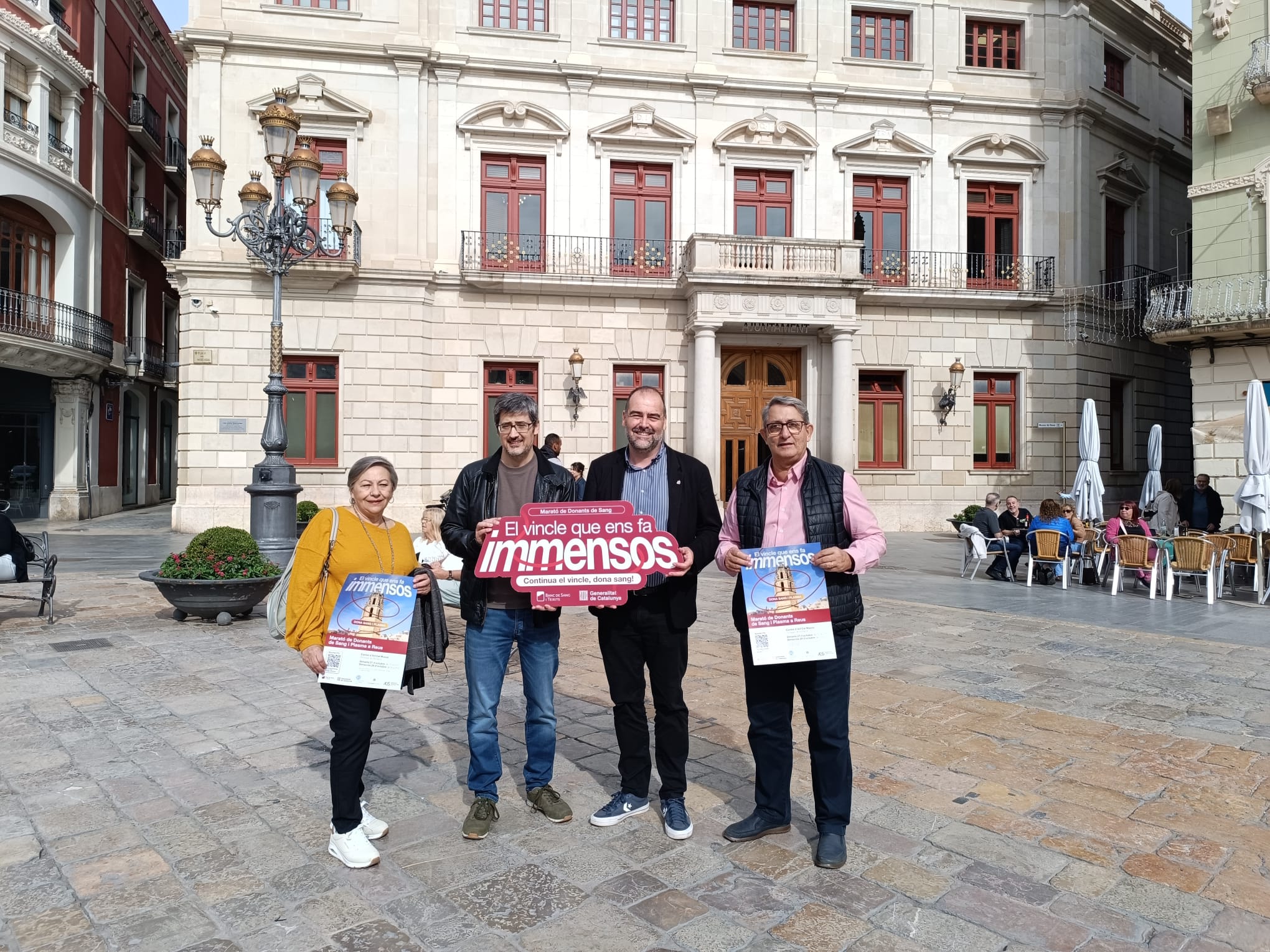
Reus Blood Marathon Aims for 650 Donations This Year
The 23rd edition of the Reus Blood and Plasma Donation Marathon aims to collect 650 blood donations and 30 plasma donations across two consecutive days on October 27 and 28 at the Centre d’art Cal Massó.
-
Key Clinical Takeaways:
- The two-day collection event in Reus aims to mobilize approximately 700 total participants for blood and plasma donations to stabilize regional reserves.
- Recent autumn storms and flooding across Catalonia forced temporary suspensions of donation drives, creating a pressing need to replenish optimal inventory levels.
- Organizers are placing a specific emphasis on plasma donations alongside whole blood to support patients requiring lifelong plasma-derived therapies.
Replenishing Regional Reserves After Severe Autumn Weather
The upcoming campaign seeks to offset a seasonal drop in donations caused by recent severe weather and flooding across Catalonia, which forced the temporary suspension of several mobile collection drives. According to public health data cited in the reporting, the region requires approximately one thousand blood donations daily to maintain hospital patient care. While baseline patient needs remain met, the Marathon in Reus acts as a vital buffer to restore safety margins within blood bank inventories.
Collection Drive Runs Tuesday and Wednesday at Cal Massó
The collection drive opens on Tuesday afternoon, running from 15:00 to 21:00, and continues Wednesday without interruption from 09:00 to 21:00. The Centre d’art Cal Massó will host both registered donors and walk-in participants. Local organizations are scheduled to attend in groups to support the initiative, while municipal partners and the Camp del Baix Blood Donors Association provide logistical support and refreshments for participants.
Targeting Plasma Collection and Generational Turnover
Running under the slogan “The bond that unites us,” this year’s marathon emphasizes both whole blood and plasma collection. Public health organizers note that plasma donations, which require a slightly longer extraction process than whole blood and can be performed every two weeks, remain frequently overlooked despite a constant demand for plasma-derived medications. The campaign also targets younger demographics to establish a sustainable pipeline of donors as older participants reach the 70-year upper age limit or face temporary deferrals due to travel, pregnancy, or illness.
Standard eligibility requirements mandate that donors be between 18 and 70 years of age, weigh a minimum of 50 kilograms, and be in general good health without pregnancy. Prospective donors can verify nearby collection points through www.bloodbank.net.
Disclaimer: The information provided in this article is for educational and scientific communication purposes only and does not constitute medical advice. Always consult with a qualified healthcare provider regarding any medical condition, diagnosis, or treatment plan.