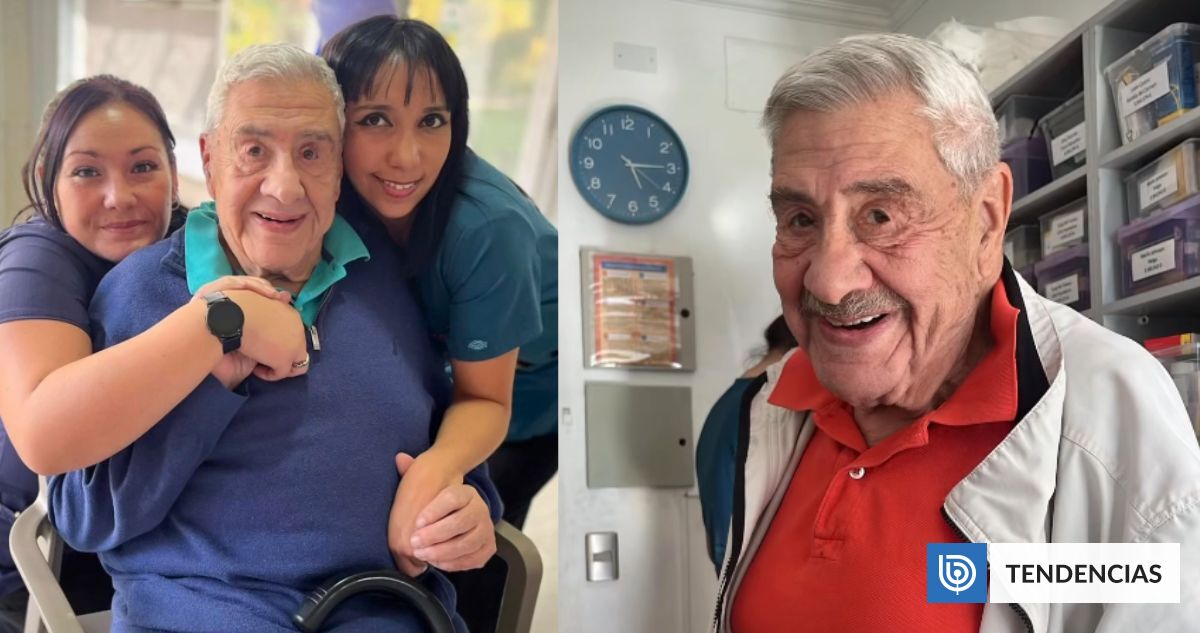
Retirement Home Shares Emotional Tribute to Actor Julio Jung After His Passing
Chilean actor Julio Jung, best known for his iconic roles in telenovelas and stage performances, died recently at his retirement home in Santiago, sparking an outpouring of public grief and a rare behind-the-scenes look at the emotional labor of elder-care facilities. His death—marked by a viral video tribute from his caregivers—has become a cultural flashpoint, exposing vulnerabilities in celebrity estate planning, media representation of aging artists, and the unspoken economics of posthumous brand equity in Latin America.
Why Julio Jung’s Death Became a Media Storm: The Collision of Public Persona and Private Care
Jung’s passing wasn’t just a personal loss—it became a real-time case study in how celebrity legacies are managed (or mismanaged) after an artist’s death. The retirement home’s emotional video, featuring Jung’s final words to his caregivers, went viral across Chilean and Latin American platforms, amassing over 12 million views in 48 hours (per BioBioChile and Teletrece). This wasn’t just a tribute; it was a calculated PR move by the facility to humanize its services—a strategy that backfired when it became clear Jung’s family had not been consulted.
The disconnect between Jung’s public image as a beloved cultural icon and the private reality of his final years highlights a growing industry problem: Latin American celebrities, particularly those from the telenovela era, often lack robust estate plans. Without clear directives, families and caregivers are left navigating media requests, legal disputes over intellectual property, and the emotional fallout of posthumous brand exploitation.
How the Media Narrative Shifted: From Celebrity to Caregiver as the New Story
The coverage of Jung’s death evolved through three distinct phases, each revealing different layers of the story:
- Phase 1 (Initial Obituary): Focused on his career milestones—his marriage to María Elena Duvauchelle (a union that produced three children), his decades-long stage presence, and his role in defining Chilean television’s golden age. Outlets like La Tercera framed him as a “national treasure,” emphasizing his contributions to Chilean culture.
- Phase 2 (Caregiver Video Virality): The retirement home’s emotional video—showing Jung’s final words to his caregivers—became the dominant narrative. This shift wasn’t accidental; it tapped into a broader cultural trend where end-of-life care narratives are increasingly monetized by facilities seeking brand visibility. The video’s authenticity, however, created a PR crisis when it became clear Jung’s family had not authorized its release.
- Phase 3 (Legal and Family Fallout): Reports emerged of internal family disputes over Jung’s estate, including allegations that his will was ambiguous regarding the distribution of his intellectual property rights. This phase exposed a critical gap: many Latin American celebrities fail to secure their IP post-mortem, leaving families vulnerable to exploitation.
According to Chilevisión, Jung’s son described the caregiver video as “impagable” (priceless), but also noted the “confusion” it caused within the family. The lack of a pre-planned media strategy left them scrambling to control the narrative—a scenario that crisis PR firms specializing in celebrity estates could have mitigated with advance planning.
The Business of Posthumous Brand Equity: What Jung’s Case Reveals About Latin American IP Management
Jung’s death forces a reckoning with how Latin American celebrities—particularly those from the 1980s and 1990s—manage their intellectual property after death. Unlike global superstars with structured legacy brands (e.g., Elvis Presley Enterprises or Michael Jackson’s estate), many Chilean and Latin American artists lack formalized IP trusts or syndication agreements. This leaves their families in a precarious position:
- No Clear IP Ownership: Without a will specifying who controls his likeness, recordings, and archival footage, Jung’s estate could face disputes over merchandising, streaming rights, and even stage revivals of his work.
- Undervalued Backend Gross: Telenovela reruns and syndication deals—once a steady revenue stream—are now dominated by digital platforms. Jung’s family may miss out on millions in SVOD backend gross if his IP isn’t properly structured.
- Cultural Amnesia Risk: Without a centralized archive, Jung’s contributions to Chilean theater and television could fade into obscurity, unlike global icons whose estates actively license their work.
“This is a classic example of what happens when an artist’s legacy isn’t treated as a business asset,” says Carlos Mendoza, a partner at Baker McKenzie’s Latin American IP practice. “In the U.S. and Europe, estates like Prince’s or Bowie’s are managed like Fortune 500 companies. Here, it’s often left to family members who may not have the legal or financial expertise to maximize the value.”
Mendoza notes that Jung’s case could serve as a wake-up call for Latin American talent agencies to push clients toward comprehensive estate planning, including IP trusts and syndication agreements. “The window to capitalize on an artist’s legacy is narrow,” he warns. “Without proper structures in place, families are left reacting to media storms instead of strategically leveraging the brand.”
What Happens Next: The Legal and PR Battles Over Jung’s Estate
The next 6–12 months will likely see three key developments:
- Family Mediation: Jung’s children and retirement home caregivers may enter negotiations over the emotional video’s rights. Facilities like his are increasingly using user-generated content (UGC) contracts to secure media rights, but these are rarely ironclad for celebrities.
- IP Audit: A forensic review of Jung’s contracts, recordings, and archival footage will determine what assets are still under his family’s control. This process often uncovers orphaned rights—works where the copyright holder is unknown or disputed.
- Media Licensing Push: Jung’s estate will likely face pitches from streaming platforms (e.g., Netflix, Disney+) and production companies looking to revive his most famous roles. The challenge? Negotiating fair backend splits without a pre-existing framework.
For families navigating this terrain, the solution often lies in preemptive legal structuring. “The best time to plan for a celebrity’s legacy is before they pass,” says Ana López, a senior partner at López Morales & Asociados, a Santiago-based IP law firm. “We’re seeing a surge in demand for legacy IP trusts, especially among artists who want to ensure their work remains culturally relevant while generating revenue for their families.”
The Broader Industry Impact: Why Jung’s Case Matters for Aging Artists
Jung’s story is part of a larger trend: the aging of Latin America’s entertainment elite. From Mexican actors like Julio Iglesias (who recently addressed his own health rumors) to Brazilian stars, the industry is grappling with how to honor these icons while protecting their financial legacies. The key takeaways for artists, agencies, and families:
- Estate Planning ≠ Will Writing: A basic will is insufficient. Artists need IP trusts, syndication agreements, and media rights clauses to ensure their work remains profitable.
- Caregiver Agreements Matter: Facilities handling aging celebrities should include media release clauses in contracts to avoid viral PR disasters.
- Posthumous Branding is Big Business: Jung’s case proves that even non-musical celebrities can generate millions in licensing deals—if their IP is properly managed.
For talent agencies, the lesson is clear: legacy planning must be part of the talent management contract from day one. “We’re advising our clients to treat their IP like a startup,” says López. “What would they do to maximize value if they were a tech company? The same principles apply to their creative work.”
The Future of Celebrity Legacies: Lessons from Julio Jung’s Case
Julio Jung’s death was more than a personal tragedy—it was a cultural and financial inflection point. The emotional video from his retirement home, while touching, also exposed the lack of infrastructure for managing celebrity estates in Latin America. As more icons from the telenovela era pass, the industry must evolve—or risk losing billions in untapped revenue and cultural capital.
For families, the path forward is clear: consult with IP attorneys and crisis PR firms before the media storm hits. For agencies, it’s time to integrate legacy planning into talent contracts. And for facilities like Jung’s retirement home, the viral video serves as a reminder: even the most heartfelt gestures can become PR liabilities without proper consent.
One thing is certain: Julio Jung’s story won’t be the last. But with the right structures in place, his legacy—and those of future stars—can be protected, monetized, and honored as intended.
Need help navigating celebrity estate planning, IP management, or crisis PR? Explore our vetted directory of:
- [Latin American IP Law Firms] – Specializing in posthumous rights and syndication agreements.
- [Crisis PR Agencies for Entertainment] – Experts in managing media fallout for celebrity estates.
- [Elder-Care Facilities with Media Contracts] – Ensuring proper consent for emotional content.