Remnants of Hurricane Polo Bring Severe Flooding and Evacuations to U.S. Southwest
As former Hurricane Polo weakened over northwestern Mexico on Tuesday, the storm’s remnants battered the U.S. The system brought maximum sustained winds of 110 mph to Baja California Sur before moving inland as a tropical storm.
Landfall and Impacts in Baja California Sur
Polo struck the Mexican state of Baja California Sur in the morning hours with maximum sustained winds of 110 mph (177 kph). After crossing the Gulf of California and weakening to a tropical storm, the system moved inland to the northeast.
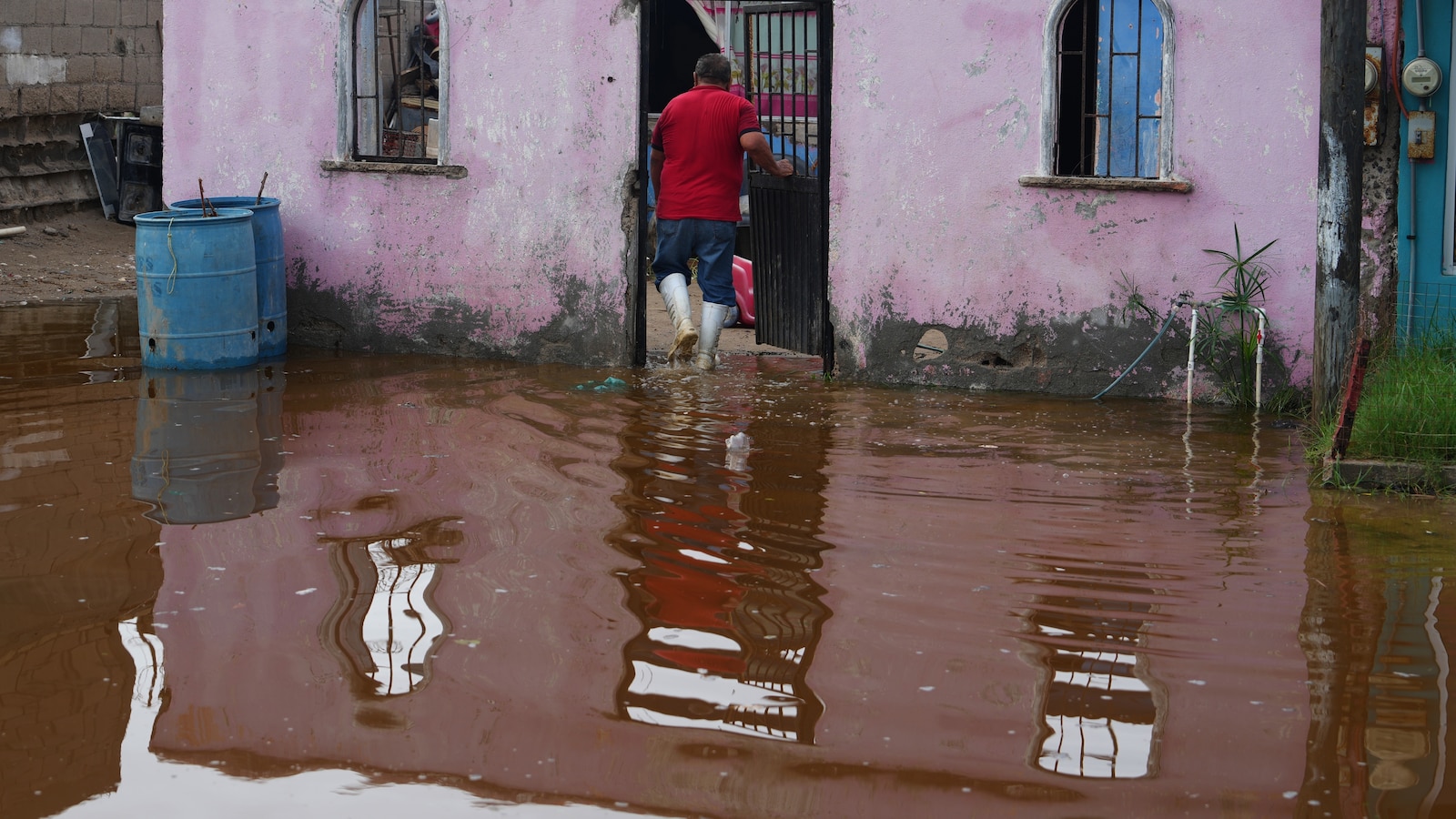
Locals waded through ankle-high water and fallen trees that inundated houses in Puerto San Carlos, a compact fishing settlement situated on the Baja California peninsula. Shopkeeper Elbia María Bachomo, 40, returned to her home to find furniture strewn about after she and her three children had evacuated to a shelter on Monday. Her husband was out fishing for sardines when Polo hit, but managed to escape alive.

Hundreds of people spent Tuesday in shelters across Baja California Sur, but they were expected to return to their homes. Meanwhile, the hurricane center reported that Tropical Storm Rachel was moving parallel to Mexico’s coast and was expected to become a hurricane soon.
Flash Flooding and Rescues Across the U.S. Southwest
The New Mexico Department of Transportation reported flooded roads and highway debris by Tuesday evening, while parts of Arizona experienced severe drenching that prompted several water rescues.
Emergency responders rescued a person stranded on top of a vehicle in floodwaters west of Phoenix on Tuesday morning, using a helicopter to lower a rescuer to the overturned car, according to video from Arizona Fire and Medical Services. North of Phoenix, a truck was swept away in a wash, though the driver escaped safely, Maricopa County sheriff’s officials reported. In Utah’s Zion National Park, a helicopter rescued three people in Heaps Canyon after flash flooding struck.
Extensive inundation and harm to access roads within a southeastern Arizona national conservation area and sand dunes recreation facility were documented by the Bureau of Land Management. In Utah, the East Fork of the Virgin River near Zion raged with chocolate floodwater, carrying a shipping container downstream. In the small town of Orderville, Sabrina Dubay’s property was surrounded by floodwaters after the river swept through her yard, carrying away a camper and a snowmobile trailer.
Evacuations Ordered Over New Mexico Dam Concerns
The potential failure of a dam in south-central New Mexico prompted immediate evacuation orders for hundreds of residents in three small communities along the Rio Grande. Individuals in Rincon, Salem, and Garfield were instructed to seek higher ground before conditions worsened. Later, evacuation orders were extended to nearby Hatch, known for its green chile crops, and farther north to Placitas.
Albuquerque weather service meteorologist Carter Greulich warned residents about urban flooding risks, advising the public to stay out of flooded roadways and desert arroyos. Greulich noted that an unusually soggy September left the ground saturated, causing runoff to start much quicker and amplify flooding impacts.
Expanding Flood Threat in the Central U.S.
By late Tuesday, rain had reached parts of the Oklahoma and Texas panhandles. According to the National Weather Service, the flood risk is expected to shift into parts of the central U.S. later in the week, with flood watches active across parts of Colorado, Kansas, Nebraska, and Iowa through at least Thursday.