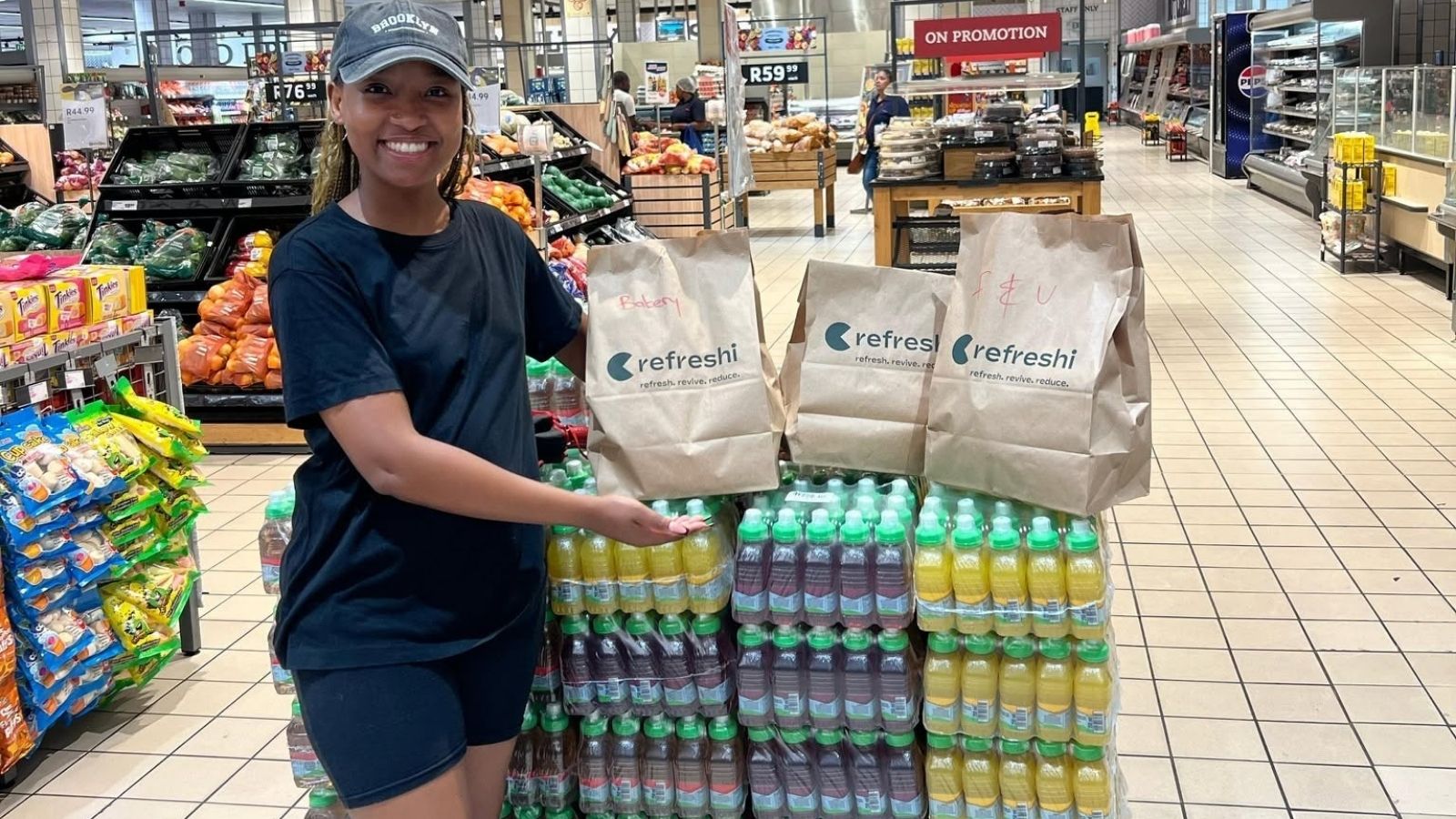
Refreshi Saves R15 Million in Surplus Food for South African Retailers
South African retailers have recovered more than R15 million through an online marketplace that sells surplus food at discounts of up to 60%. The Cape Town-based startup, Refreshi, has expanded its operations from 35 partner stores to more than 700 locations across four provinces since its launch in March 2025.
How the Surplus Marketplace Operates
The digital platform connects participating businesses with consumers through a dedicated application. Users reserve and pay for discounted items packaged as “Surprise Bags.” While the exact contents remain unknown in advance, the platform guarantees freshness, and buyers collect their purchases directly from the store during a designated time window. Participating businesses retain control over which surplus items enter the bags, ranging from bakery goods and fresh produce to prepared meals.
Refreshi currently operates across Cape Town, Johannesburg, Pretoria, Durban, Gqeberha, George, and Mossel Bay. Its retail network includes major brands such as SPAR, Bootlegger, Vida e Caffè, King Pie, Château Gâteaux, Vovo Telo, Ou Meul, Newmark Hotels, and OK Mini Marts. The platform adds between 10 and 15 stores to its network each week, preventing more than 20,000 meals per month from reaching landfills.
“Every loaf, punnet or plate of food that ends up in a bin is a loss twice over,” said Jakob Holbak, CEO and founder of Refreshi. “The store has already paid for it, and a family down the road has gone without.”
Surprise Bag Sales Surge at SPAR Outlets
Research conducted by Refreshi alongside the Consumer Goods Council of South Africa tracked the performance of 50 independently owned SPAR, SUPERSPAR, KWIKSPAR, and SPAR Express outlets between April 2025 and July 2026. These locations collectively sold over 23,200 Surprise Bags during the observation window. Monthly sales surged from 430 bags in June 2025 to 1,939 bags in June 2026, marking a more than fourfold increase over twelve months.
Cancelled orders and packaging changes can leave usable goods without a buyer. How Refreshi Exchange is building a B2B market for surplus stock in South Africa—and why completed sales matter more than listings. https://t.co/v6Ho2U14Jb#SouthAfrica #CircularEconomy pic.twitter.com/xT3tIHXROq
Data from the study indicates that inventory variety directly influences consumer demand. Outlets offering bakery products alongside fresh fruit and vegetables moved 77% more bags monthly compared to locations restricting their surplus to a single category. For traditional retailers facing mounting inventory write-off costs and households battling persistent food affordability pressures, the model converts dead stock into recovered revenue.
“Food waste isn’t only an environmental issue, it’s becoming a cost-of-living issue for millions of South Africans,” Holbak stated.
Commercial food recovery efforts also intersect with broader hunger relief initiatives. Andy Du Plessis, managing director of FoodForward SA, noted that the commercial framework illustrates how private sector supply chains can support wider nutritional access.
“Hunger in South Africa is not a problem of too little food,” Du Plessis said. “It is a problem of food not reaching the people who need it.”
Refreshi allows participating retailers to either recover direct revenue from surplus inventory or donate the proceeds. The company projects its network will exceed 2,000 participating stores within the next year.