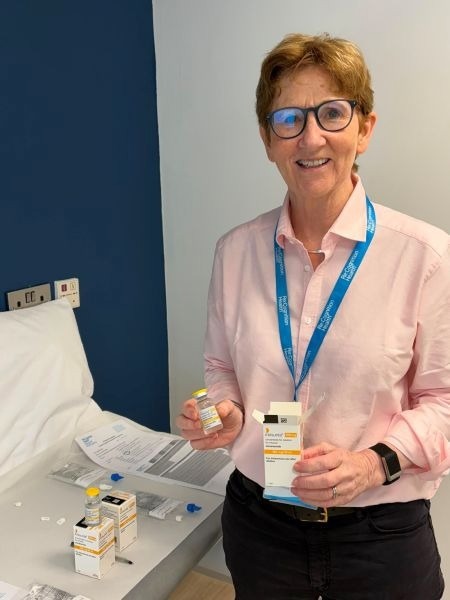
Re:Cognition Health Launches Ireland’s First Alzheimer’s Treatment Clinic
Re:Cognition Health has launched Ireland’s first dedicated Alzheimer’s disease-modifying treatment clinic, establishing a specialized clinical hub in Dublin to administer emerging therapies that target the underlying pathology of cognitive decline. Announced in August 2026, the facility addresses a major clinical gap in European healthcare infrastructure by providing specialized diagnostic screening, biomarker testing, and patient management protocols for disease-modifying monoclonal antibodies designed to slow the progression of early-stage Alzheimer’s disease.
Key Clinical Takeaways:
- Re:Cognition Health opened Ireland’s first dedicated clinical facility focused exclusively on disease-modifying treatments for Alzheimer’s disease in Dublin.
- The clinic provides specialized patient screening, biomarker analysis, and safety monitoring required for advanced monoclonal antibody therapies.
- The launch addresses severe diagnostic and therapeutic bottlenecks in neurodegenerative care across the region.
The Clinical Gap in Neurodegenerative Care
For patients presenting with mild cognitive impairment and early-stage neurodegeneration, timely access to accurate diagnostics and advanced treatment options remains difficult across standard clinical settings. Traditional memory clinics often lack the specialized infrastructure required to manage the rigorous safety monitoring, regular infusion schedules, and advanced neuroimaging interpretation demanded by disease-modifying therapies. Without dedicated clinical pathways, patients frequently face delayed staging and missed windows for therapeutic intervention.
The new Dublin facility is structured to streamline these diagnostic workflows. According to clinical guidelines from PubMed-indexed literature on neurodegenerative disease management, early identification of amyloid-beta plaque accumulation is critical before significant functional decline occurs. Managing this complexity requires coordinated care models that integrate neurologists, neuropsychologists, and specialized infusion nurses. Patients seeking comprehensive diagnostic evaluations can coordinate their assessments through vetted memory disorder diagnostic centers to ensure proper clinical staging.
Pathogenesis, Safety, and Monitoring Protocols
Disease-modifying therapies for Alzheimer’s disease operate by targeting specific biological pathways in cerebral pathogenesis, most notably clearing amyloid-beta plaques from the central nervous system. While these agents represent a major shift away from purely symptomatic management, their clinical administration requires strict adherence to safety protocols. A primary clinical consideration during treatment involves monitoring for Amyloid-Related Imaging Abnormalities (ARIA), which manifest as microhemorrhages or localized vasogenic edema detectable via routine magnetic resonance imaging.
To mitigate these risks, the clinical staff at the new Dublin site utilizes standardized titration schedules and frequent neuroimaging check-ins. According to safety guidance published by the World Health Organization regarding chronic disease management, establishing rigorous surveillance systems is essential when introducing novel biologics into outpatient populations. Patients exploring these advanced options should consult with board-certified neurologists to evaluate individual risk factors, contraindications, and apolipoprotein E (APOE) gene status before initiating therapy.
Operational Integration and Future Trajectory
The establishment of a dedicated disease-modifying treatment center in Ireland reflects broader shifts in European clinical infrastructure as regulatory bodies continue to review novel neurotherapeutics. Healthcare systems face mounting pressure to bridge the gap between clinical trial efficacy and real-world execution. Pharmaceutical distributors and specialized clinic networks are actively retaining healthcare compliance attorneys to navigate complex regulatory frameworks, reimbursement structures, and supply chain logistics for cold-chain biological products.
As diagnostic tools evolve and blood-based biomarker assays become more widely available, specialized centers will likely serve as the primary gatekeepers for precision neurology. Ensuring patient safety and equitable access will depend on the rapid expansion of these dedicated clinical hubs, backed by rigorous post-market surveillance and multidisciplinary oversight.
Disclaimer: The information provided in this article is for educational and scientific communication purposes only and does not constitute medical advice. Always consult with a qualified healthcare provider regarding any medical condition, diagnosis, or treatment plan.