
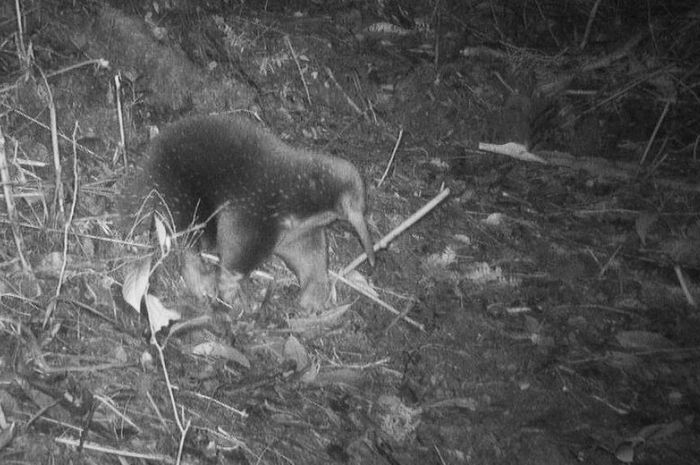
Attenborough’s Long-Beaked Echidna Rediscovered After 60 Years
Table of Contents
- Attenborough’s Long-Beaked Echidna Rediscovered After 60 Years
Indonesia.">
After vanishing for more than half a century, attenborough’s long-beaked echidna (Zaglossus attenboroughi), a rare mammal that lays eggs, has been rediscovered in the remote rainforests of Indonesia. The remarkable find, confirmed by scientists, marks the first scientific evidence of the species’ survival in over 60 years.
“Living Fossil” Found in Papua’s Cyclops Mountains
The elusive echidna, named after famed naturalist Sir David Attenborough, was found in the Cyclops Mountains of papua, Indonesia. This “living fossil,” as it’s often called,belongs to an ancient lineage dating back approximately 200 million years,during the age of dinosaurs.
Did You No? Monotremes, like the echidna, are unique among mammals for laying eggs. Only two families of monotremes exist today: echidnas and platypuses.
The rediscovery was detailed in a paper published in the journal NPJ Biodiversity on May 12, 2025, by a research team led by scientists from the university of Oxford. The paper included photographic evidence confirming the echidna’s continued existence.
Decades of Absence and a Glimmer of Hope
Prior to this discovery, the last confirmed sighting of Attenborough’s long-beaked echidna was over six decades ago. According to the BBC, previous observations were limited to dead specimens stored in the Naturalis Biodiversity Center in the Netherlands.
In 2023, an Oxford University expedition to the remote Cyclops Mountains, located 2,000 meters above sea level, offered a renewed sense of hope. The team deployed modern scientific methods, including camera traps, to survey the area.
Pro Tip: Camera traps are triggered by motion or heat,allowing researchers to monitor wildlife in remote areas without direct human presence.
Between June and July 2023, the team strategically placed 73 camera traps across a 7-square-kilometer area, focusing on animal trails and potential echidna burrowing sites. These burrows are created as the echidnas search for underground invertebrates, their primary food source.
Research Methods and Findings
The prosperous capture of the elusive Attenborough’s long-beaked echidna on camera provided crucial evidence that the “missing species” still exists.This rediscovery highlights the importance of using modern scientific tools in biodiversity research.
The rediscovery of Attenborough’s long-beaked echidna underscores the critical need for continued conservation efforts in the region. The Cyclops Mountains are a biodiversity hotspot, and protecting this unique habitat is essential for the survival of this and other endangered species. According to the World Wildlife fund, habitat loss is one of the greatest threats to biodiversity worldwide.
Key Facts: Attenborough’s Long-Beaked Echidna
| Fact | Details |
|---|---|
| Species Name | Zaglossus attenboroughi |
| Common Name | Attenborough’s Long-Beaked Echidna |
| Location | Cyclops Mountains, Papua, Indonesia |
| Last Confirmed Sighting (Before Rediscovery) | Over 60 years ago |
| Rediscovery Method | Camera traps |
| Diet | Underground invertebrates |
what other “lost” species might be waiting to be rediscovered in remote corners of the world? How can technology aid in future conservation efforts?
Evergreen Insights: The Importance of Biodiversity
The rediscovery of Attenborough’s long-beaked echidna highlights the importance of biodiversity and the need for conservation efforts. Biodiversity refers to the variety of life on Earth at all its levels, from genes to ecosystems, and can encompass the evolutionary, ecological, and cultural processes that sustain life. The Cyclops Mountains, with their unique and isolated ecosystems, are home to a wide range of species, many of which are found nowhere else in the world.
The loss of biodiversity can have significant consequences for ecosystems and human well-being. It can disrupt food chains, reduce the resilience of ecosystems to climate change, and increase the risk of disease outbreaks. Conservation efforts, such as protecting habitats and reducing pollution, are essential for maintaining biodiversity and ensuring the long-term health of our planet.
Frequently Asked questions About Echidnas
What is a monotreme?
A monotreme is a type of mammal that lays eggs instead of giving birth to live young. echidnas and platypuses are the only living monotremes.
What do echidnas eat?
Echidnas primarily feed on ants,termites,and other small invertebrates.They use their long snouts and sticky tongues to capture their prey.
Are echidnas endangered?
While some echidna species are not currently classified as endangered, they face threats such as habitat loss and climate change. Conservation efforts are needed to protect their populations.
How do echidnas protect themselves?
Echidnas have sharp spines covering their bodies, which they use for protection against predators. They can also curl into a ball to protect their vulnerable underparts.
Where do echidnas live?
Echidnas are native to Australia,New Guinea,and Indonesia. they can be found in a variety of habitats, including forests, grasslands, and deserts.
Share this incredible rediscovery with your friends and family! Leave a comment below with your thoughts on this amazing find. Subscribe to our newsletter for more updates on wildlife discoveries and conservation efforts.
