
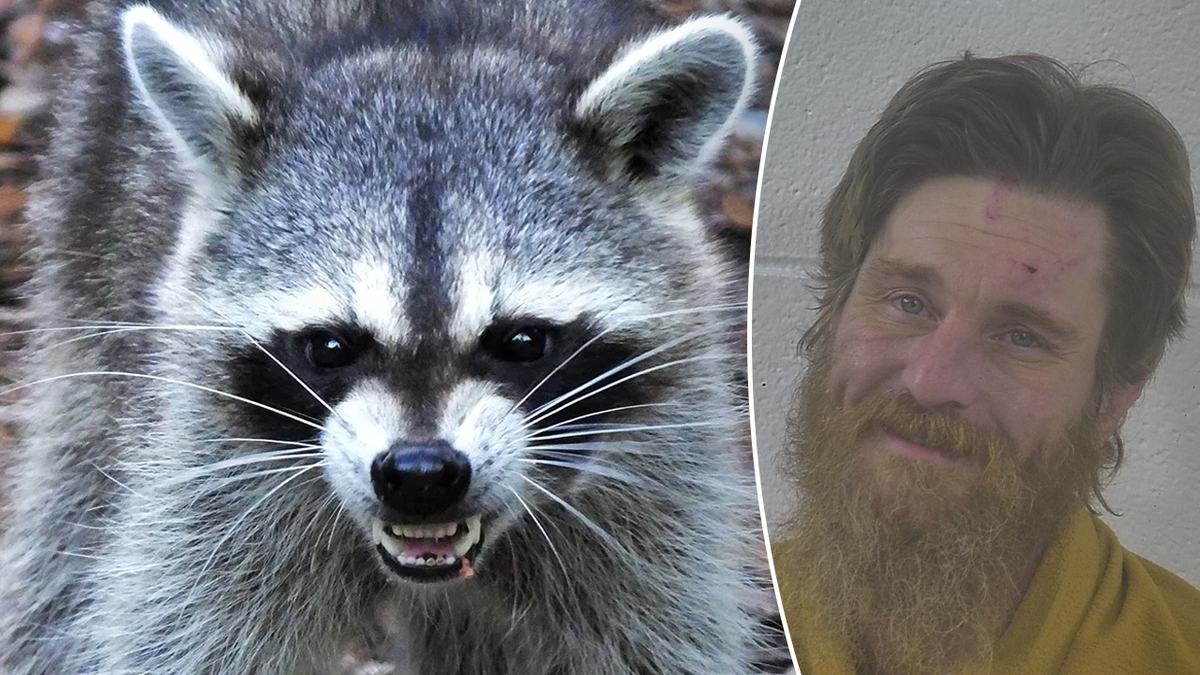
Kentucky Man Arrested After Releasing raccoon in Local Business
business, resulting in a biting incident.This follows prior arrests for animal-related offenses."/>
A Kentucky man is facing multiple charges after allegedly releasing a raccoon into a local business, resulting in a patron being bitten. Jonathan Mason, 40, of Murray, Kentucky, was arrested on June 6 after police responded to the incident at approximately 9:18 p.m.
Details of the Arrest and Incident
According to a Facebook post by the murray Police Department, Mason arrived at the unnamed business and released the raccoon, which afterward bit a customer. Mason had previously been warned not to return to the premises. When officers attempted to pull Mason over, he reportedly refused to roll down his window, leading to his removal from the vehicle and subsequent arrest.
Did You Know? …
Raccoons are nocturnal animals and are commonly found in both rural and urban environments across North America. They are known for their adaptability and can thrive in various habitats, including forests, marshes, and cities National Wildlife Federation.
Prior Animal-Related Offenses
The raccoon incident is not Mason’s first brush with the law involving animals. In December 2024, he was arrested for riding a mule while “manifestly” drunk to a liquor store. After refusing to leave, police were called, and Mason attempted to ride away on the mule, leading to his arrest.
Witnesses also reported seeing Mason whipping the mule at another business. The mule was taken into custody by the police. A few days later, Mason allegedly tried to reclaim his mule while again intoxicated, leading to another arrest after he refused to stop riding the mule down the road.
Charges Filed Against Mason
Spanning his three arrests,Mason faces a litany of charges,including two counts of second-degree animal cruelty,third-degree fleeing or evading police,second-degree disorderly conduct,alcohol intoxication in a public place,two counts of third-degree criminal trespassing,two counts of resisting arrest,second-degree assault,and failure to maintain required insurance.
| Charge | Description |
|---|---|
| Animal Cruelty (2nd Degree) | Causing physical harm or suffering to an animal. |
| Fleeing or Evading Police (3rd Degree) | Attempting to evade law enforcement. |
| Disorderly Conduct (2nd Degree) | Creating a public disturbance. |
| Alcohol Intoxication in Public Place | Being intoxicated in a public area. |
| Criminal Trespassing (3rd Degree) | Unlawfully entering or remaining on premises. |
| Resisting Arrest | Obstructing or resisting law enforcement during an arrest. |
| Assault (2nd Degree) | Intentionally causing physical injury to another person. |
| Failure to Maintain Required Insurance | Not maintaining legally required insurance. |
Pro Tip: …
If you encounter a wild animal in a business or public space, maintain a safe distance and instantly contact local animal control or law enforcement. Do not attempt to handle or approach the animal yourself Humane Society.
The Broader Context of Animal-Related Crimes
Animal-related crimes, such as the alleged actions of Jonathan Mason, can have serious implications for public safety and animal welfare. The intentional release of animals into public spaces can lead to injuries, disease transmission, and ecological imbalances. Law enforcement agencies and animal control services work to address these issues and ensure the safety of both humans and animals.
What do you think should be the appropriate punishment for releasing a potentially dangerous animal into a public space?
Have you ever encountered a wild animal in an unexpected place? Share your experience in the comments below!
Evergreen Insights: Understanding Animal-Related Incidents
Animal-related incidents, like the one involving Jonathan Mason, highlight the complex interactions between humans and wildlife in shared environments. These incidents often stem from a combination of factors, including human behavior, environmental changes, and the adaptability of certain animal species.
The rise of urbanization has led to increased encounters between humans and wildlife, as animals adapt to living in close proximity to human settlements. This can result in conflicts, such as animals entering businesses or residential areas in search of food or shelter. In some cases, human actions, such as intentionally releasing animals into public spaces, can exacerbate these conflicts and pose risks to public safety.
Addressing animal-related incidents requires a multi-faceted approach that includes public education,responsible pet ownership,and effective animal control measures. By promoting awareness and implementing strategies to minimize human-wildlife conflicts,communities can create safer and more harmonious environments for both humans and animals.
Frequently Asked Questions About Animal-Related Crimes
What are the potential consequences of releasing a raccoon into a business?
Releasing a raccoon into a business can lead to several consequences, including potential injuries to patrons, property damage, and the spread of diseases. raccoons can carry rabies and other pathogens, posing a public health risk. Additionally, the person responsible for releasing the animal may face criminal charges, such as animal cruelty and reckless endangerment.
How do law enforcement agencies handle animal-related incidents?
Law enforcement agencies typically respond to animal-related incidents by assessing the situation, securing the area, and contacting animal control services. They may also conduct investigations to determine the cause of the incident and identify any individuals responsible for illegal activities, such as animal cruelty or neglect. The primary goal is to ensure the safety of both humans and animals and to enforce applicable laws and regulations.
What steps can businesses take to prevent animal intrusions?
Businesses can take several steps to prevent animal intrusions, including sealing entry points, securing garbage containers, and installing deterrents such as motion-activated lights or noise devices. Regular inspections and maintenance can help identify and address potential vulnerabilities. Additionally, businesses can educate employees about how to respond to animal encounters and report any sightings to animal control services.
What role does public education play in preventing animal-related incidents?
Public education is crucial in preventing animal-related incidents by promoting awareness of wildlife behavior,responsible pet ownership,and the importance of respecting animal habitats. Educational programs can teach people how to avoid conflicts with animals, what to do if they encounter a wild animal, and how to report animal-related concerns to the appropriate authorities. By increasing public knowledge and understanding, communities can reduce the risk of animal-related incidents and promote coexistence between humans and animals.
What are the legal penalties for animal cruelty in Kentucky?
In Kentucky, the penalties for animal cruelty vary depending on the severity of the offense. First-degree animal cruelty, which involves intentionally inflicting severe pain or suffering on an animal, is a felony punishable by imprisonment and fines. Second-degree animal cruelty, which involves neglect or mistreatment that causes harm to an animal, is a misdemeanor punishable by fines and potential jail time.Repeat offenders may face more severe penalties, including the loss of animal ownership rights.
Stay informed about local news and public safety. Share this article with your friends and family, and let us know your thoughts in the comments below.
