
Bumblebee Tongues: How Hair Density Dictates Nectar Collection Efficiency
Bumblebees, vital pollinators for countless plant species, rely on nectar as their primary energy source. but the efficiency with which they collect this crucial resource isn’t uniform across the colony. Recent research reveals a fascinating link between the density of fine hairs on a bumblebee’s tongue – known as glossal hairs – and its nectar-collecting prowess. Surprisingly, worker bees consistently outperform queen bees in this regard, showcasing a remarkable adaptation for foraging.
The Anatomy of a Bumblebee Tongue
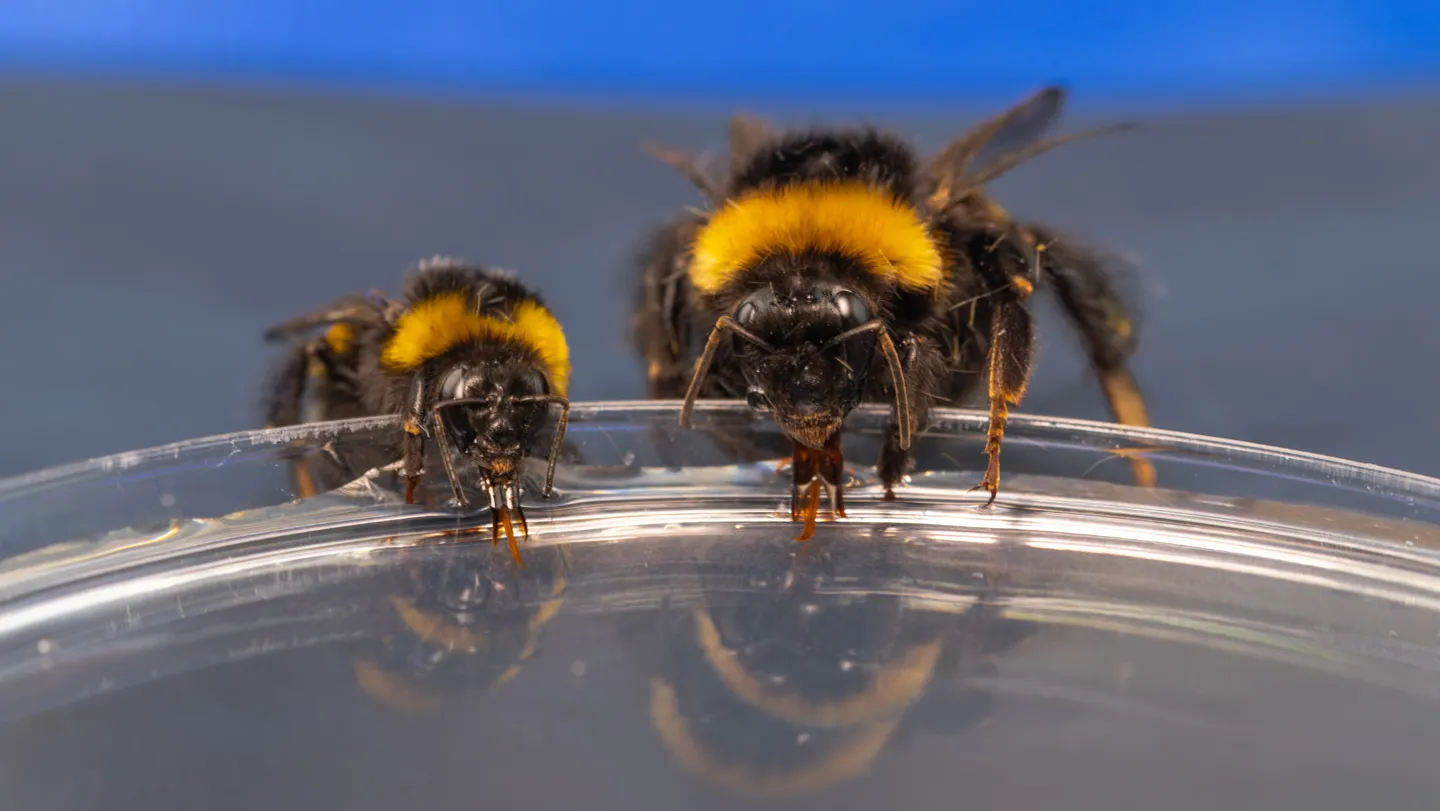
A bumblebee’s tongue isn’t a simple, smooth appendage. it’s a complex structure composed of two elongated parts called the glossae,which interlock to form a tube. This tube is covered in thousands of microscopic hairs, the glossal hairs, which play a critical role in nectar uptake. These hairs aren’t just for show; they create a capillary action that draws nectar up the tongue and into the bee’s crop, also known as the honey stomach. The more hairs, the greater the surface area, and the more efficiently nectar can be transported.
How Hair Density Impacts Nectar Collection
The density of these glossal hairs directly correlates with the amount of nectar a bumblebee can collect on each foraging trip. A higher hair density means a stronger capillary affect, allowing the bee to draw up more nectar with each probe into a flower. This is particularly crucial for flowers with nectar hidden deep within their corollas.Researchers at royal Holloway, University of London have demonstrated this relationship through detailed microscopic analysis and behavioral observations.Their work highlights that even subtle differences in hair density can significantly impact a bee’s foraging success.
Worker Bees vs. Queen Bees: A Surprising Difference
One of the most striking findings is the disparity in hair density between worker bees and queen bees. Worker bees, responsible for the bulk of foraging, consistently exhibit a significantly higher density of glossal hairs compared to queens. This difference isn’t random; it’s an adaptation driven by the distinct roles within the colony. Queens primarily focus on egg-laying and rely on worker bees to provide them with sustenance. Therefore, they haven’t evolved to maximize nectar collection efficiency themselves.
Dr. Emily Baird, a researcher involved in the Royal Holloway study, explains, “We found that worker bees have, on average, significantly more hairs on their tongues than queens. This suggests that natural selection has favored increased hair density in workers to enhance their foraging capabilities.”
The Evolutionary Implications
This specialization highlights the remarkable efficiency of social insect colonies. By dividing labor and adapting physical traits to specific roles, bumblebee colonies maximize their overall productivity. The worker bees’ superior nectar-collecting ability directly translates to increased food stores for the colony, supporting the growth of the brood and the reproductive success of the queen. This division of labor is a cornerstone of eusociality, the highest level of social organization in the animal kingdom.
Beyond Hair Density: Othre Factors Influencing Nectar Collection
While hair density is a crucial factor, it’s not the only determinant of nectar collection efficiency. Other variables also play a meaningful role:
- Tongue Length: Longer tongues allow bees to access nectar in flowers with deeper corollas.
- Flower Choice: Bees selectively visit flowers with higher nectar rewards.
- Foraging Speed: Efficient foraging requires a balance between thoroughness and speed.
- Weather Conditions: Temperature and wind can affect nectar availability and bee activity.
Implications for Pollination and Conservation
Understanding the factors that influence bumblebee foraging efficiency is critical for conservation efforts. Bumblebee populations are declining globally due to habitat loss, pesticide use, and climate change. By identifying the traits that contribute to prosperous foraging,we can better assess the vulnerability of different bumblebee species and develop strategies to support their populations. For example, preserving diverse floral landscapes that offer a range of nectar sources is crucial for ensuring that bumblebees have access to the resources they need to thrive.
Frequently Asked Questions (FAQ)
- Why do queen bees have fewer hairs on their tongues? Queen bees don’t need to collect nectar themselves; worker bees provide for them. Evolution has favored traits that maximize egg-laying capacity in queens, rather than foraging efficiency.
- Does hair density change with a worker bee’s age? Research suggests that hair density remains relatively constant throughout a worker bee’s foraging life.
- How can I help bumblebees in my garden? Plant a variety of nectar-rich flowers that bloom throughout the season. Avoid using pesticides, and provide nesting habitat.
- Are all bumblebee species the same in terms of tongue structure? While the basic structure is similar, there can be variations in tongue length and hair density between different bumblebee species, often related to the types of flowers they typically visit.
Key Takeaways
- The density of hairs on a bumblebee’s tongue directly impacts its nectar collection efficiency.
- Worker bees have significantly more glossal hairs than queen bees, reflecting their specialized roles.
- This adaptation highlights the efficiency of social insect colonies and the power of natural selection.
- Understanding these factors is crucial for bumblebee conservation.
