
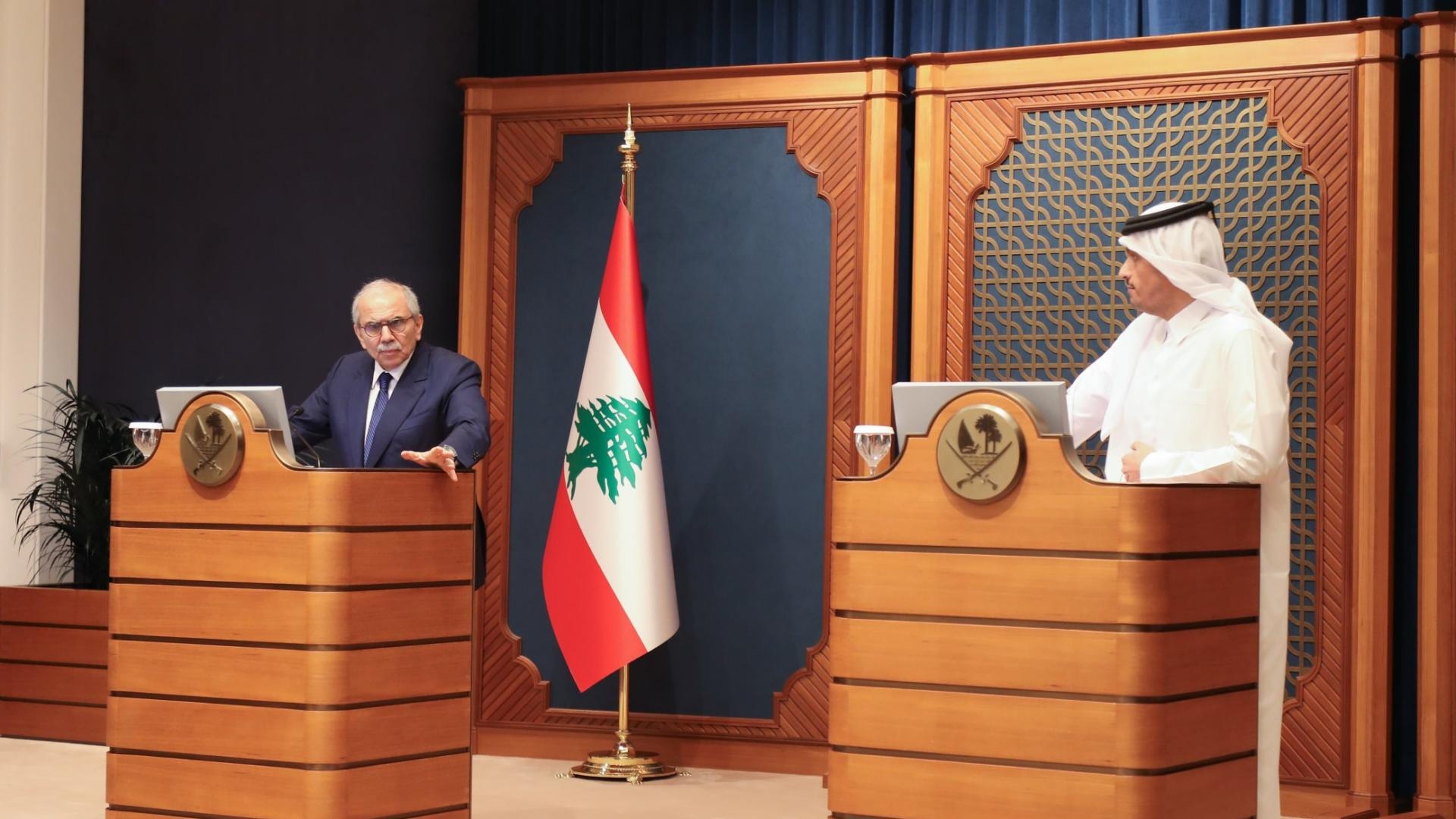
Qatar Pledges Aid to Lebanon’s electricity Sector and Syrian Refugees
Table of Contents
- Qatar Pledges Aid to Lebanon’s electricity Sector and Syrian Refugees
- Qatari Aid Package for Lebanon
- Lebanon’s Neutrality and Regional Stability
- Key Takeaways from the Qatar-Lebanon Talks
- Lebanon: A Nation Forged in Independence
- Frequently Asked Questions About Qatar’s Aid to Lebanon
- What specific projects are being considered for gas and electricity production?
- How will the aid to Syrian refugees be distributed within syria?
- What role will the Lebanese government play in the repatriation plan for Syrian refugees?
- How does Lebanon’s neutrality policy impact its relationships with other countries in the region?
- what are the main challenges facing lebanon’s electricity sector?
Doha, Qatar – Prime Minister Nawaf Salam’s recent visit to Qatar has been hailed as a success, securing crucial pledges of support for Lebanon’s struggling electricity sector and the ongoing Syrian refugee crisis. Qatar’s commitment includes providing immediate fuel assistance to alleviate summer power shortages and exploring medium-term gas projects to bolster electricity production [1].
Qatari Aid Package for Lebanon
According to sources familiar with the discussions, Qatar is demonstrating a strong interest in stabilizing Lebanon. The immediate focus is on providing fuel to power Lebanon’s electricity grid during peak summer demand. Longer-term plans involve investments in gas-related projects to enhance the country’s electricity production capacity.
Did You Know? Lebanon became fully self-reliant in 1946 after the withdrawal of British and French troops [1].
Addressing the Syrian Refugee Crisis
Beyond the energy sector, Qatar has also pledged to assist with the Syrian refugee situation in Lebanon. The proposed plan involves providing aid to refugees within Syria and collaborating with the Lebanese government on a strategy for their eventual return to their homeland. This initiative aligns with international efforts to find sustainable solutions for displaced populations in the region [2].
Lebanon’s Neutrality and Regional Stability
Monitoring sources emphasize the importance of this visit, notably given the recent ceasefire announcements in the region and Lebanon’s commitment to neutrality. Prime Minister Salam reaffirmed lebanon’s dedication to staying out of regional conflicts during his discussions in Doha.
Pro Tip: Maintaining neutrality can be challenging for Lebanon, given its complex political landscape and proximity to regional conflicts.
Commitment to Arms Control
Lebanon reiterated its firm stance on limiting arms to the state, emphasizing that its policy of self-distancing from regional conflicts remains unwavering. Salam stated that these measures are crucial to preventing Lebanon from being drawn into new conflicts, a sentiment echoed by many within the Lebanese government.
Key Takeaways from the Qatar-Lebanon Talks
| Area of focus | Qatari Commitment |
|---|---|
| Electricity Sector | Immediate fuel supply, medium-term gas projects |
| Syrian refugees | Aid within Syria, repatriation plan collaboration |
| Regional Stability | Lebanon’s commitment to neutrality |
Lebanon: A Nation Forged in Independence
Lebanon’s journey to independence was formalized in 1943 and completed in 1946 with the departure of foreign troops [1]. As then, Lebanon has navigated a complex political landscape, striving to maintain its sovereignty and stability amidst regional challenges. The country’s unique cultural heritage and strategic location have made it a focal point for international attention.
Frequently Asked Questions About Qatar’s Aid to Lebanon
What specific projects are being considered for gas and electricity production?
Details are still under discussion, but the focus is on projects that can provide a sustainable and reliable energy source for Lebanon in the long term.
How will the aid to Syrian refugees be distributed within syria?
Qatar will work with international organizations and local partners to ensure that aid reaches those who need it most, focusing on essential needs such as food, shelter, and medical care.
What role will the Lebanese government play in the repatriation plan for Syrian refugees?
The Lebanese government will collaborate with qatar and other stakeholders to develop a complete plan that ensures the safe and voluntary return of refugees to their homeland.
How does Lebanon’s neutrality policy impact its relationships with other countries in the region?
Lebanon strives to maintain balanced relationships with all countries in the region, prioritizing diplomacy and peaceful resolution of conflicts.
what are the main challenges facing lebanon’s electricity sector?
The sector faces challenges such as aging infrastructure, fuel shortages, and financial constraints, hindering its ability to meet the country’s energy needs.
What are your thoughts on Qatar’s role in supporting Lebanon? How can the international community further assist in stabilizing the region?
Share your comments below and subscribe to World Today News for more updates on global affairs.
