Pulse Memorial and Museum Plan Sparks Debate Among Victims’ Families
<>
The planned $45 million permanent memorial and museum at the site of the 2016 Pulse nightclub shooting in Orlando, Florida, is facing vocal resistance from a faction of survivors and family members of victims. While the onePULSE Foundation advances the project to honor the 49 people killed and 53 injured on June 12, 2016, critics argue the large-scale development risks commercializing the tragedy.
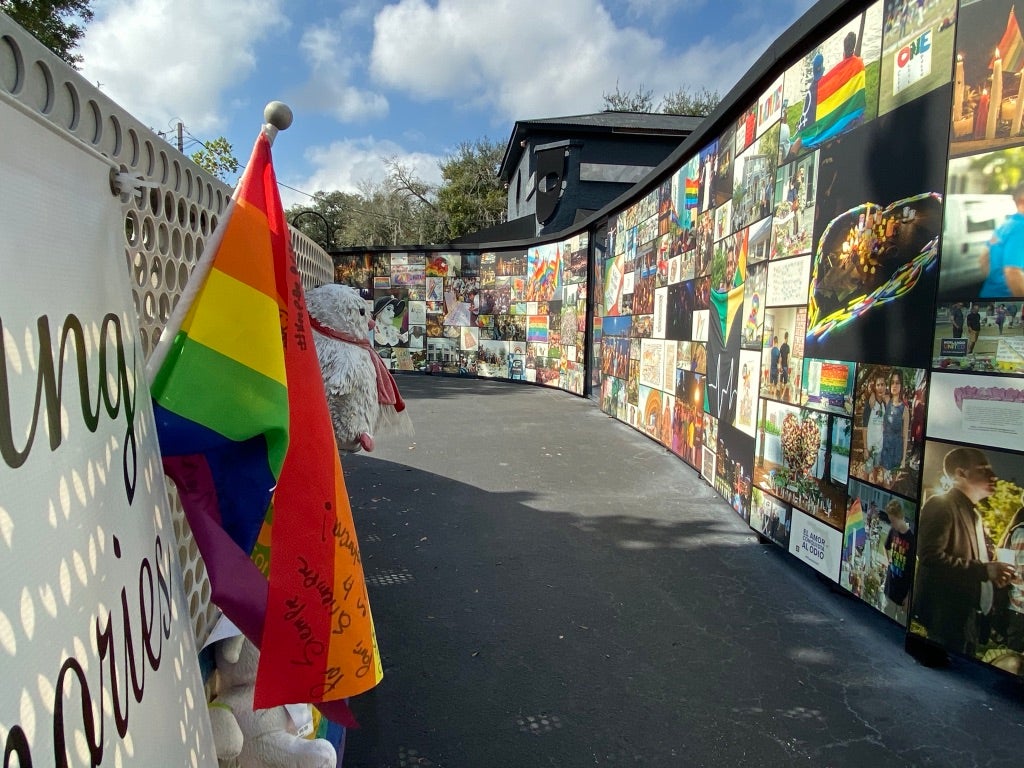
At 1912 S. Orange Avenue, a temporary shrine currently stands where gunman Omar Mateen opened fire during Latin night at the gay nightclub. Barbara Poma, the club’s owner and founder of the onePULSE Foundation, has spearheaded the initiative to replace this temporary site with a permanent memorial on the grounds and a separate museum located a block away. Proponents project breaking ground in 2021, with completion eyed for 2022 and 2023 respectively.
The Divide Among Victims’ Families and Survivors
The ambitious scope of the project has fractured the community of those directly affected by the tragedy. Christine Leinonen, whose 32-year-old son Christopher Leinonen was killed in the attack, has emerged as a prominent opponent of the plan. She formed the Community Coalition Against a Pulse Museum, which has gathered more than 100 signatures from individuals connected to mass shootings across the United States, including over 30 people tied directly or indirectly to Pulse.
“It’s obnoxious!” Christine Leinonen said of the plans, expressing concern that the development will function as a tourist attraction akin to Orlando’s theme park industry rather than a solemn space for reflection. “Don’t capitalize on my son’s brutal murder.”
Michael Morales, who survived the shooting but lost his fiancé Martin Benitez, echoed these reservations. Morales, facing his thirteenth surgery related to the attack, argued that the foundation should direct more resources toward assisting survivors. “Instead of doing a museum and all of these flashy things, tear down the club and do a real memorial,” Morales said.
Foundation Defense and Community Support
Conversely, other family members maintain that the permanent institution is necessary to preserve history and educate the public. Mayra Alvear, whose 25-year-old daughter Amanda Alvear died in the shooting, serves as a victim’s liaison with the onePULSE Foundation and supports the development.
“The Pulse Memorial site, it’s sacred ground. It’s where our loved ones took their last breath,” Alvear said. “It’s a solemn peaceful place where I feel this strong force.” Alvear noted that she believes strong support exists among many families for the museum, viewing it as a beacon of education and love rather than commercial exploitation.
Addressing the criticism, Poma maintained that organizers have worked closely with affected families since the project’s inception. “Museums are not tourist attractions,” Poma stated. “They’re educational institutions. And that is what the museum will be.”
Municipal Impact and Professional Oversight
Major urban development initiatives of this scale require rigorous coordination with local planning boards and regulatory agencies. Managing large capital campaigns and public-private architectural projects often demands specialized guidance, prompting organizers and stakeholders to engage with legal counsel and municipal planning consultants to address regulatory and community relations challenges.
Currently, the interim memorial attracts approximately 300 visitors daily, a figure expected to climb once the permanent facilities are finished. While stakeholders remain sharply divided over the appropriate scale of remembrance, foundation leaders maintain their timeline to secure the history of the site for future generations.