Puerto Rico’s Struggle: 10 Years of PROMESA and the Fight for Self-Determination
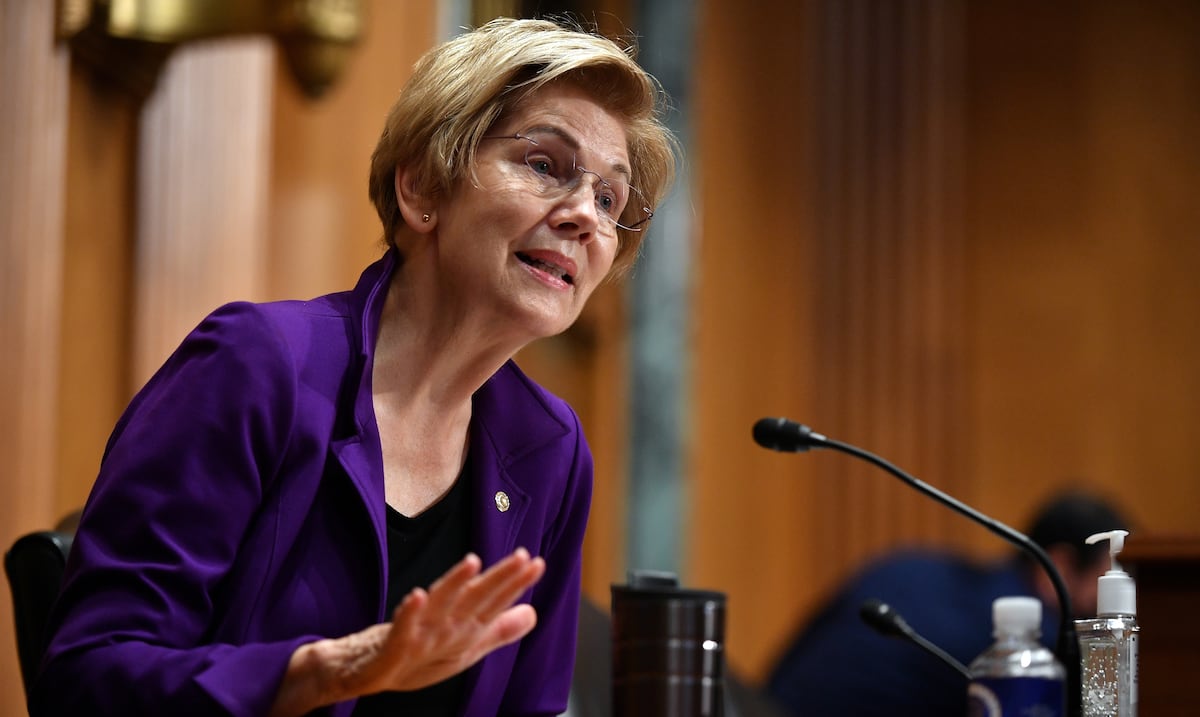
Elizabeth Warren has called for Puerto Rico to be granted the right to self-determination, marking a significant political shift as the island observes the 10th anniversary of the Puerto Rico Oversight, Management, and Economic Stability Act (PROMESA). The federal oversight board established by the law remains a central point of contention for local unions and advocacy groups demanding fiscal and political autonomy.
A Decade Under Federal Oversight
The legislation created the Financial Oversight and Management Board (FOMB), a body with broad authority over Puerto Rico’s budget, debt restructuring, and public policy. While proponents originally argued the board was necessary to stabilize the island’s volatile economy and regain access to capital markets, critics contend it has prioritized bondholder interests over essential public services.

The anniversary has triggered widespread protests across the island. Labor unions, including those representing public sector employees, have organized demonstrations to demand the dissolution of the board. These groups argue that a decade of austerity measures has stifled economic growth and eroded the quality of life for residents.
According to reports from Claridad and Metro Puerto Rico, the primary grievance involves the board’s continued intervention in local government functions. Residents and community leaders frequently point to the degradation of infrastructure and the rising cost of living as direct consequences of policies managed by the oversight body.
The Political Push for Self-Determination
Elizabeth Warren’s recent declaration adds substantial weight to the sovereignty movement. Her assertion that it is time for Puerto Ricans to decide their own future aligns with a growing faction of U.S. lawmakers who argue that the current colonial-adjacent status is unsustainable. By framing the issue as a fundamental right to self-governance, Warren has moved the conversation beyond simple fiscal management and into the realm of constitutional legitimacy.
This political pressure creates a complex environment for stakeholders. For those navigating the intersection of federal law and local policy, finding clarity remains difficult. Many businesses and organizations now rely on specialized [Legal Consulting Firms] to interpret how shifting federal mandates impact their contractual obligations and compliance requirements on the island.
Economic Stagnation vs. Fiscal Stabilization
The FOMB maintains that its presence is a prerequisite for financial health. However, the data reveals a stark divide between fiscal “stability” and actual economic prosperity. Despite the restructuring of billions in public debt, the island continues to face significant emigration and a shrinking labor force.
Comparing the stated goals of the 2016 legislation to the reality of the present shows a persistent gap:
| Metric | 2016 Projection | Current Reality |
|---|---|---|
| Fiscal Autonomy | Targeted via debt restructuring | Remains under FOMB oversight |
| Public Service Access | Optimized through budget cuts | High reports of service disruption |
| Economic Growth | Projected return to markets | Stagnant output and population loss |
For small business owners and regional enterprises, the uncertainty surrounding the potential sunset of the oversight board creates significant operational risk. [Business Advisory Services] have become essential for local entities attempting to forecast budget changes or navigate sudden shifts in tax policy that occur under the board’s authority.
The Road Ahead: Sovereignty or Continued Oversight?
The debate over Puerto Rico’s future is no longer just about the debt. It has evolved into an existential question about the relationship between the United States and its territory. As protests continue, the pressure on Congress to respond to Elizabeth Warren’s call for a self-determination process is likely to intensify.
The federal government has yet to provide a clear exit strategy for the board. Without a defined path toward full political autonomy, the risk of civil unrest and economic volatility remains high. For those involved in the island’s development, monitoring the proceedings of the U.S. House Committee on Natural Resources, which oversees territorial policy, is the only way to anticipate upcoming legislative changes.
The current situation serves as a stark reminder that fiscal policy is never neutral. When institutions operate outside the direct control of the local populace, the resulting friction eventually demands a political solution. As the 10-year mark of PROMESA passes, the question is not whether the oversight will end, but what form of governance will replace it. Ensuring that your organization is prepared for this transition requires access to the right experts. Whether you are seeking [Government Relations Specialists] or legal counsel to protect your assets during this period of uncertainty, securing professional guidance is the most effective way to manage the risks inherent in this evolving political landscape.