Public Health Guidance Highlights Importance of Annual Syphilis Testing
People should get tested for syphilis at least once a year even if they feel entirely fine, according to public health guidance highlighted during the October awareness campaigns.
- Routine screening for syphilis is recommended annually for all sexually active individuals, regardless of whether symptoms are present.
- Untreated syphilis during pregnancy poses severe risks, including miscarriage, premature birth, neurological damage, and congenital syphilis in the newborn.
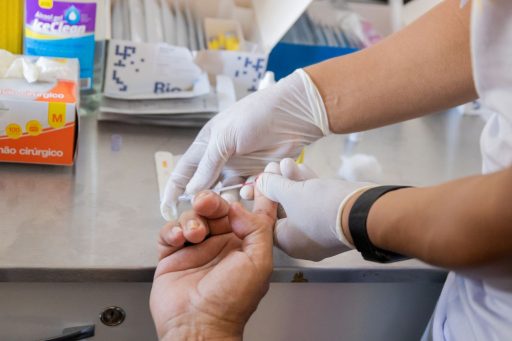
- Diagnosis and treatment are accessible through public health networks, utilising rapid tests that yield results in up to 30 minutes alongside traditional blood draws like VDRL.
October Health Campaigns Highlight Rising Infection Rates
Health authorities are drawing renewed attention to syphilis screening and prevention as case numbers climb. In Manaus, municipal health officials reported that acquired syphilis cases among adults averaged 361 per month in 2026, marking a 12.1 percent increase over the 322 monthly average recorded the previous year. At the same time, congenital syphilis cases in the city rose to a monthly average of 33, representing a 37.5 percent jump from 2025 levels. Medical professionals emphasise that because the bacterium Treponema pallidum can persist in the body silently, many individuals remain unaware of their infection without routine screening.
Public Health Systems Provide Free Rapid and Blood Tests
Public health systems provide free rapid tests that require no laboratory infrastructure and deliver results in under half an hour. According to healthcare providers participating in the awareness initiatives, these rapid diagnostics are complemented by VDRL blood tests. Medical guidance stresses that testing should occur at least annually for sexually active adults, while pregnant women require multiple screenings during prenatal care to protect the fetus from congenital transmission.

Clinical Risks of Untreated Infections and Pregnancy Complications
When left unmanaged, the bacterium progresses through distinct phases that begin with a painless genital sore known as a hard chancre. Infectious disease specialists note that this initial lesion often goes unnoticed, particularly when located inside the vagina or on the cervix. If ignored, the infection enters latent phases that can damage internal organs and increase susceptibility to other sexually transmitted infections, including HIV. During pregnancy, the lack of timely diagnosis and treatment exposes the fetus to severe developmental hurdles, making early intervention critical.
Preventative Strategies and Follow-Up Care
Clinical guidelines dictate that successful management requires adherence to prescribed medication schedules and the simultaneous evaluation and treatment of sexual partners. Medical experts clarify that a prior history of syphilis does not confer immunity, meaning previously treated individuals can contract the infection again if exposed without barrier methods. Healthcare providers continue to advocate for consistent condom use alongside scheduled re-testing to interrupt transmission chains across communities.
Campaign Timelines and Official Observances
The National Day to Combat Syphilis and Congenital Syphilis is celebrated on the third Saturday of October, in accordance with Law No. 13,430/2017, which in 2026 falls on October 17. In reference to the date, municipal health authorities scheduled the official opening of the “Green October” campaign for October 14 at 9:00 AM, featuring a mobilization and awareness ceremony at the Dr. José Rayol dos Santos Family Health Unit.
Disclaimer: The information provided in this article is for educational and scientific communication purposes only and does not constitute medical advice. Always consult with a qualified healthcare provider regarding any medical condition, diagnosis, or treatment plan.
