
Psyllium Husk: The New Weight Loss Trend—and What Experts Say
Social Media Hype Meets Fiber’s Benefits
A surge in online buzz is touting psyllium husk as a natural alternative to costly weight-loss drugs like Ozempic. But can this readily available fiber supplement truly deliver similar results, or is it another fleeting health trend?
The Rise of “Nature’s Ozempic”
Health companies and influencers are actively promoting psyllium husk for its potential to curb appetite and aid weight management. Psyllium husk has become popular thanks to a wave of social media influencers and wellness personalities touting its ability to suppress appetite, regulate digestion and even mimic the effects of more costly medications,
explains Lena Beal, spokesperson for the Academy of Nutrition and Dietetics. However, she cautions that comparing it directly to Ozempic is oversimplified and misleading.
The hashtag #psylliumhusk has amassed over 12,500 videos on TikTok, demonstrating the widespread interest in this supplement. While newly popular in Western diets, psyllium husk has a long history of use in India and across South Asia.
What Exactly *Is* Psyllium Husk?
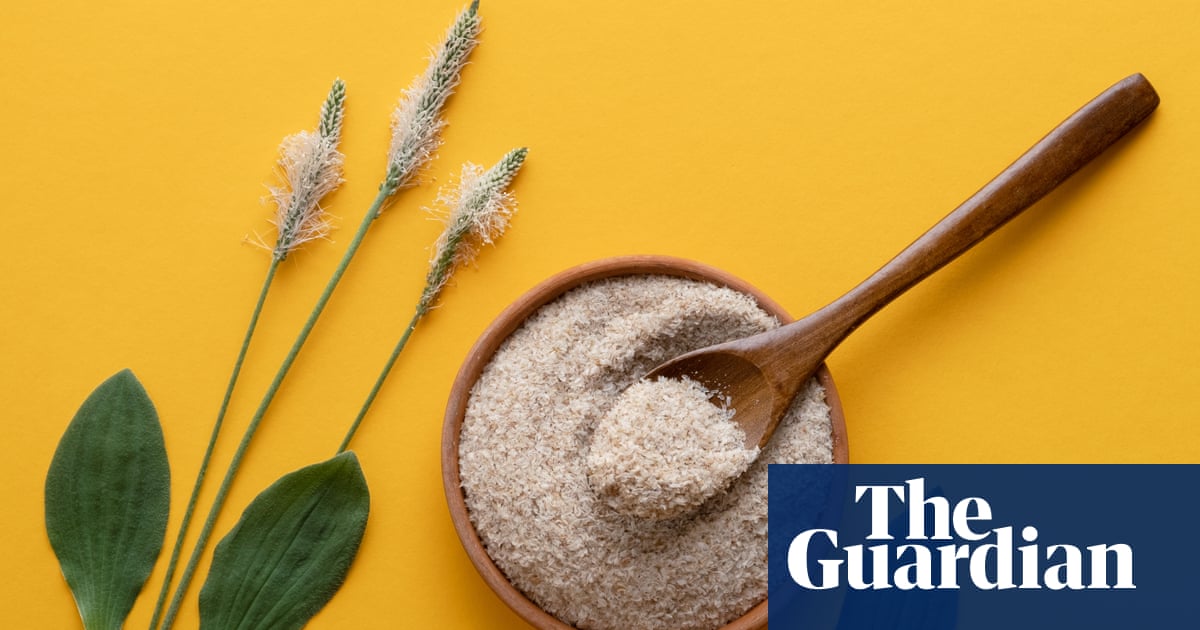
Psyllium husk originates from the seeds of Plantago oval plants, shrubs that thrive in arid environments. In the United States, it’s most commonly recognized as the key ingredient in over-the-counter laxatives like Metamucil, as noted by Beal.
Available in pill, powder, or whole husk form, psyllium transforms into a gel-like substance when mixed with water.
How Does Psyllium Husk Benefit Your Health?
That gel-like consistency is central to its benefits. Katherine Zeratsky, a registered dietitian at the Mayo Clinic, explains that psyllium husk is a rich source of soluble fiber. Unlike insoluble fiber, soluble fiber absorbs water during digestion, creating a gel.
This gel softens stools and adds bulk, aiding in both constipation and diarrhea management, according to Julia Zumpano, a registered dietitian with the Cleveland Clinic Center for Human Nutrition. Furthermore, the gel can bind to bile—composed of cholesterol—facilitating its removal from the body and potentially lowering cholesterol levels.
A 2018 meta-analysis published in the American Journal of Clinical Nutrition found that 10-15 grams of psyllium husk daily significantly reduced LDL (“bad”) cholesterol and total cholesterol in both healthy individuals and those with high cholesterol.
Psyllium husk also slows glucose absorption, contributing to better blood sugar control, says Zumpano. Increasing fiber intake is beneficial, as only 5% of people in the US and 9% in the UK consume the recommended 25-30 grams daily. One tablespoon of psyllium husk provides approximately 7 grams of fiber.
According to the CDC, approximately 41.9% of U.S. adults were obese between 2017-2020, highlighting the ongoing need for effective weight management strategies. CDC Obesity Statistics
Potential Risks and Considerations
Experts strongly advise consuming psyllium husk with ample water—around 500ml per 20g of fiber—to prevent choking and potential gastrointestinal obstruction. The supplement’s rapid expansion with liquid necessitates sufficient hydration.
Individuals with swallowing difficulties, bowel strictures, or severe gastrointestinal conditions like Crohn’s disease should consult a healthcare provider before use, cautions Beal. Psyllium husk may also interact with certain medications, so medical advice is crucial.
Experts warn against viewing psyllium husk as a quick fix. Overconsumption can lead to digestive discomfort,
Zeratsky notes, adding that people may overly rely on a single ingredient instead of a “holistic lifestyle change”.
If psyllium husk isn’t suitable, numerous other foods offer similar benefits. Fruits, vegetables, beans and other legumes, and whole grains, particularly oats, barley and quinoa, all contain soluble fiber
and a range of other essential nutrients, says Zeratsky.
