
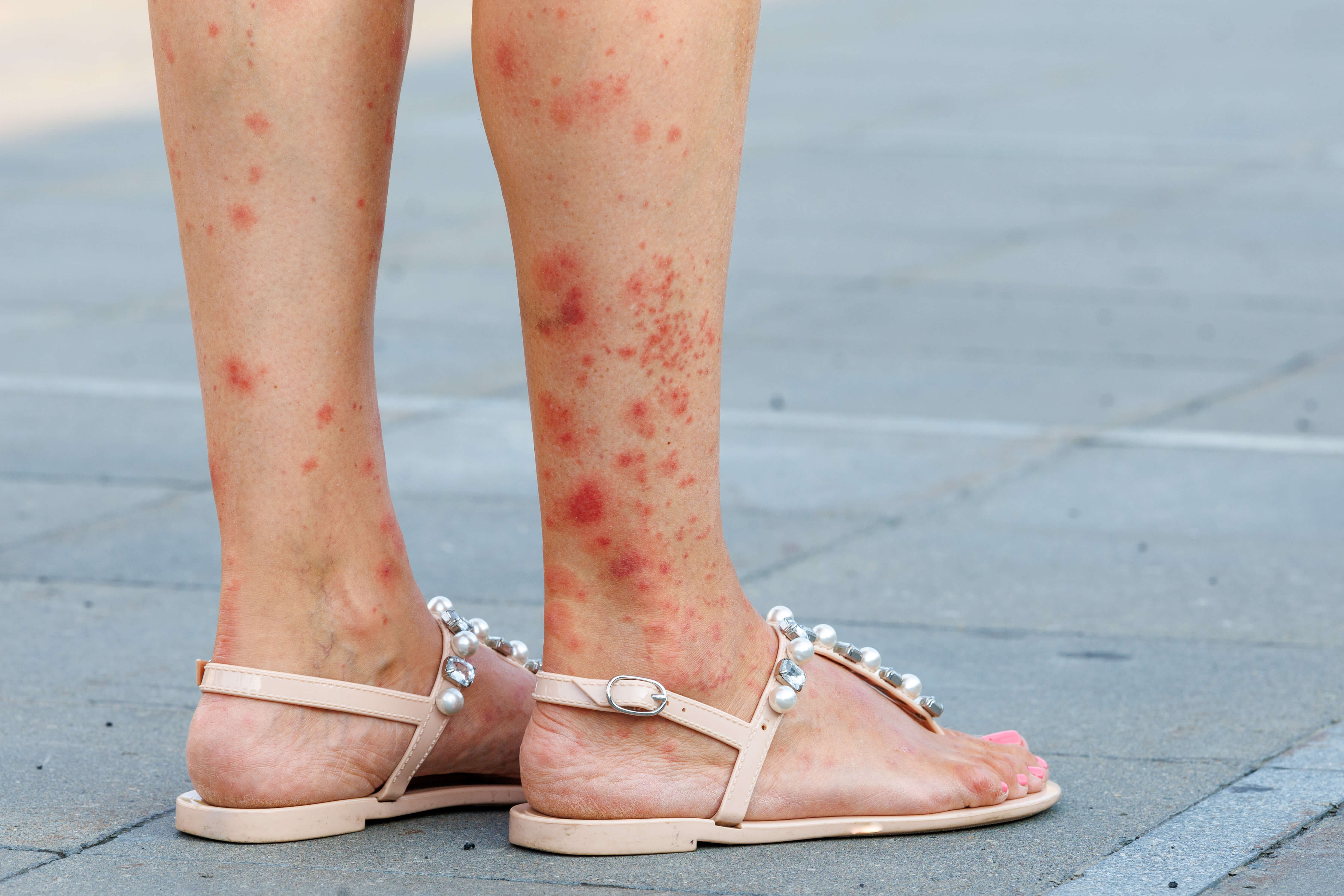
Psoriasis Impacts Women More Severely: Swiss Study Reveals Quality of Life Disparities
Table of Contents
women with psoriasis vulgaris have a worse quality of life than men, even during treatment. Personalized care is crucial.">
A recent study from Switzerland reveals that women with psoriasis vulgaris experience a significantly lower quality of life compared to their male counterparts, even when undergoing treatment.The research, which analyzed data from the Swiss Dermatology Network for Targeted Therapy registry between October 2011 and June 2023, underscores the need for a more personalized approach to psoriasis care that addresses the unique challenges faced by women.
Key Findings on Psoriasis and Quality of Life
The study,led by Dr. Ramtin Lichtenberger from the University Hospital Zurich, involved 748 patients, including 278 women (median age 44.3 years) and 470 men (median age 45.8 years). Researchers assessed the patients’ quality of life using the dermatology Life quality Index (DLQI) at baseline and after 3,6,12,18,and 24 months. The most common treatments among participants were methotrexate (30.0%), adalimumab (12.6%), and ustekinumab (11.8%).
Did You Know? The Dermatology Life Quality Index (DLQI) is a widely used questionnaire to measure how much skin problems affect a person’s life. It covers things like symptoms, feelings, daily activities, and relationships.
At the beginning of the study, women had a significantly higher DLQI score (13.4 vs. 10.7; p < 0.001), indicating a poorer quality of life. Significant differences were also observed in subgroups treated with IL-17 inhibitors (15.0 vs. 11.0; p = 0.027), IL-12/23 inhibitors (7.5 vs. 7.0, p = 0.049),and non-biological therapies (13.0 vs. 9.0; p < 0.001). While quality of life improved over the two-year follow-up, women treated with IL-12/23 inhibitors still experienced a significantly lower quality of life than men (p = 0.043). After two years, differences in other subgroups were not statistically significant.
Pro Tip: Understanding your DLQI score can help you and your doctor track how well your psoriasis treatment is working and whether adjustments are needed.
Comparative Analysis of Psoriasis Treatment Outcomes
the following table summarizes the key differences in DLQI scores between men and women at baseline:
| Treatment Group | Women’s DLQI Score (Baseline) | Men’s DLQI Score (Baseline) | P-value |
|---|---|---|---|
| Overall | 13.4 | 10.7 | < 0.001 |
| IL-17 Inhibitors | 15.0 | 11.0 | 0.027 |
| IL-12/23 Inhibitors | 7.5 | 7.0 | 0.049 |
| Non-Biological Therapies | 13.0 | 9.0 | < 0.001 |
The need for Individualized psoriasis Care
The study’s findings highlight the importance of considering gender-specific differences in psoriasis management.The researchers advocate for a differentiated approach to therapy, emphasizing the need for individualized care that takes into account the unique challenges faced by women and men with psoriasis. This may include addressing factors such as hormonal influences, social stigma, and the impact of psoriasis on mental health [[U.S. Department of Health and Human Services]].
Psoriasis, a chronic autoimmune disease, affects approximately 2-3% of the global population [[National Psoriasis Foundation]]. It is characterized by raised, scaly patches on the skin, which can cause itching, pain, and discomfort. While there is no cure for psoriasis, various treatments are available to manage the symptoms and improve the quality of life for those affected.
what specific challenges do women with psoriasis face that men might not? How can healthcare providers better address these gender-specific needs?
Understanding Psoriasis: An Evergreen Perspective
Psoriasis is more than just a skin condition; it’s a chronic autoimmune disease that can significantly impact a person’s overall well-being. The condition arises when the immune system mistakenly attacks healthy skin cells, causing an accelerated rate of skin cell production. This overproduction leads to the formation of thick,scaly patches that are characteristic of psoriasis.
While the exact cause of psoriasis remains unknown, genetic predisposition and environmental factors are believed to play a significant role. Certain triggers, such as stress, infections, and certain medications, can exacerbate psoriasis symptoms. The condition typically manifests as raised, inflamed plaques covered with silvery scales, most commonly found on the elbows, knees, scalp, and lower back. Though, psoriasis can affect any part of the body, including the nails and genitals.
Frequently Asked Questions About Psoriasis
- What are the different types of psoriasis?
- The most common type is plaque psoriasis, but other types include guttate, inverse, pustular, and erythrodermic psoriasis.
- Is psoriasis contagious?
- No, psoriasis is not contagious. It is an autoimmune condition and cannot be spread from person to person.
- What are the treatment options for psoriasis?
- Treatment options include topical creams and ointments,light therapy,and systemic medications (oral or injectable). The best treatment approach depends on the severity of the condition and individual patient factors.
- Can diet affect psoriasis?
- While there is no specific diet for psoriasis, some people find that certain foods can trigger their symptoms. Maintaining a healthy weight and avoiding processed foods may be beneficial.
Disclaimer: this article provides general data and should not be considered medical advice. Consult with a qualified healthcare professional for diagnosis and treatment of psoriasis.
Share this article and let us know your thoughts in the comments below. subscribe to World Today News for more health updates!
