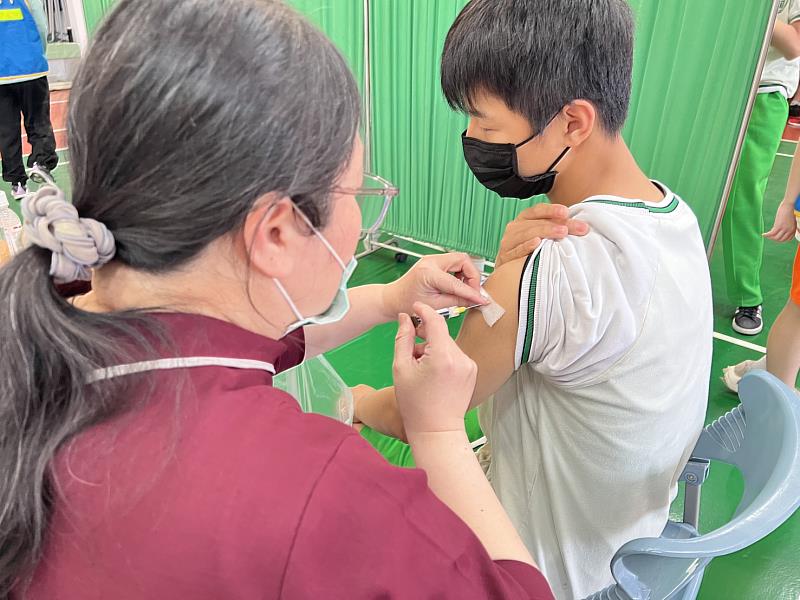
Protecting Teens from HPV: The $14,000 Free Vaccine
New Taipei City health officials have confirmed the continuation of a public subsidy program for Human Papillomavirus (HPV) vaccinations, offering students in the eighth grade a cost-saving opportunity valued at approximately 14,000 New Taiwan Dollars. This initiative targets both male and female students to establish early immunological barriers against high-risk viral strains linked to oncogenesis.
Key Clinical Takeaways:
- Universal Vaccination Coverage: The program expands beyond female-only cohorts, acknowledging that male immunization is a critical component of herd immunity and viral transmission disruption.
- Economic and Preventive Impact: By covering the full series of the nine-valent vaccine, the public health mandate offsets a significant out-of-pocket expense while mitigating long-term cancer morbidity risks.
- Oncogenic Prevention: HPV infection is a known primary driver for six distinct types of cancer, including cervical, oropharyngeal, and anal carcinomas, making early prophylactic intervention a standard of care.
The Clinical Rationale for Universal HPV Immunization
The transition toward gender-neutral HPV vaccination policies reflects a shift in epidemiological understanding. According to data from the World Health Organization (WHO), HPV is the most common viral infection of the reproductive tract. While the virus is frequently associated with cervical cancer, its pathogenesis extends to various malignancies affecting both biological sexes.


Dr. Chen Wei-Chieh, an infectious disease specialist, notes that the infection often remains asymptomatic for decades before manifesting as cellular dysplasia or malignancy. “The goal of mass immunization at the middle school level is to ensure seroconversion occurs well before the onset of sexual activity, thereby providing maximal protective efficacy,” explains Dr. Chen. This preventive strategy aligns with the latest clinical guidelines supporting the nine-valent vaccine’s ability to cover the most oncogenic strains, specifically HPV 16 and 18, which are responsible for the majority of HPV-related cancers.
Evaluating the Nine-Valent Vaccine Efficacy
The nine-valent (Gardasil 9) vaccine, developed by Merck & Co. and supported by extensive longitudinal research, serves as the cornerstone of Taiwan’s current vaccination strategy. Unlike earlier iterations, this formulation targets nine distinct genotypes, significantly broadening the scope of protection. Clinical trials have consistently demonstrated that the vaccine induces a robust immune response, with efficacy rates exceeding 95% in preventing persistent infections and high-grade cervical lesions in vaccine-naïve populations.
For parents and guardians concerned about clinical safety, it is essential to reference the U.S. Centers for Disease Control and Prevention (CDC), which maintains that the safety profile of the HPV vaccine remains consistent with other routine childhood immunizations. Adverse events are typically limited to transient local injection site reactions or mild systemic responses, such as low-grade pyrexia.
Addressing Misconceptions and Clinical Realities
Public discourse occasionally conflates HPV transmission pathways with casual environmental exposure. Medical consensus clarifies that HPV is primarily transmitted through skin-to-skin contact, typically during sexual activity. The risk of transmission in non-sexual environments, such as gymnasiums or public facilities, is statistically negligible. Addressing these misconceptions is a vital aspect of public health communication to ensure high uptake rates.
For families seeking personalized guidance on vaccination schedules or those navigating concerns regarding specific medical histories, consulting with a board-certified pediatric immunologist or family medicine practitioner is the recommended course of action. These providers can offer specific clinical triage to determine if any contraindications exist and ensure that the patient receives the full, documented course of the vaccination series.
Healthcare Infrastructure and Future Trajectories
The sustainability of public health initiatives like the New Taipei City program depends on the stability of the pharmaceutical supply chain and the maintenance of rigorous cold-chain protocols. As the medical community moves toward a broader understanding of viral-induced carcinogenesis, the focus is shifting from reactive treatment to proactive, population-wide prevention. Healthcare organizations and private practices tasked with administering these vaccines are encouraged to utilize specialized medical compliance services to ensure that administrative workflows and patient data privacy remain in strict alignment with current health regulations.
The long-term success of this initiative will be measured not only by vaccine uptake but by the longitudinal reduction in HPV-related morbidity across the region. As research continues to evolve, the integration of public health data and individual clinical care will remain the most effective mechanism for achieving measurable cancer reduction.
Disclaimer: The information provided in this article is for educational and scientific communication purposes only and does not constitute medical advice. Always consult with a qualified healthcare provider regarding any medical condition, diagnosis, or treatment plan.