Immersive Virtual Reality Boosts Dexterity After Median Nerve Neuroma Surgery
A 42-year-old man regained measurable hand dexterity after adding immersive virtual reality to standard rehabilitation following surgery for a post-traumatic median nerve neuroma, Cureus reported.
The patient, injured by a glass laceration that divided the brachial artery and median nerve, underwent emergency arterial bypass and nerve suture. Fourteen months later, worsening neuropathic pain led to the discovery of a 17 × 9 mm neuroma at the distal third of the arm, which was resected and repaired end to end. His DN4 pain score fell from 7/10 to 3/10 after the resection.
Two months after the neuroma surgery, the patient began 10 sessions of immersive VR training over five weeks, twice a week for 45 minutes each, while continuing conventional physiotherapy three times weekly. The VR system used a head-mounted display with hand tracking, requiring the patient to perform set finger and hand gestures via game-based exercises. A therapist monitored sessions on a tablet, selecting the affected left hand and target fingers.
| Test | Hand | Before VR | After 10 Sessions | Change |
|---|---|---|---|---|
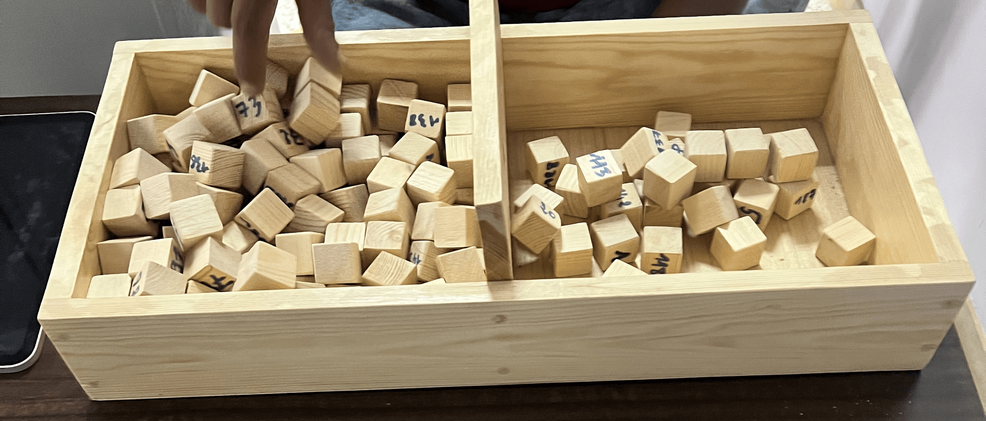
| Box and Block Test (blocks/60s) | Right (unaffected) | 62 | 66 | +4 |
| Box and Block Test (blocks/60s) | Left (affected) | 54 | 60 | +6 |
| Left/Right BBT Ratio | — | 87% | 91% | +4 points |
| Nine Hole Peg Test (pegs/50s) | Right (unaffected) | 9/9 | 9/9 | 0 |
| Nine Hole Peg Test (pegs/50s) | Left (affected) | 6/9 | 8/9 | +2 |
The left-hand Box and Block Test score rose from 54 to 60 blocks per minute, narrowing the gap with the unaffected hand from 13% to 9%. On the Nine Hole Peg Test, the left hand placed eight of nine pegs within 50 seconds, up from six. The DN4 score at the end of the program was 2/10. The patient completed all sessions without adverse effects such as dizziness, nausea, or increased pain.
The case adds to limited evidence for VR after peripheral nerve injury. A randomized trial of 42 patients with surgically repaired hand nerve injuries found that adding 30 sessions of VR-based movement therapy to conventional rehabilitation improved pain, grip strength, and function scores. That trial used a higher dose — 30 sessions over six weeks — and involved lesions at the wrist level and above.
In stroke rehabilitation, a Cochrane review found VR improved upper limb function when added to usual care but not when substituted for it. Programs exceeding 15 hours of VR tended toward better results, though the difference was not statistically significant. The current patient received 7.5 hours of VR.
The authors note that controlled studies are needed to separate the effect of immersive VR from natural recovery and conventional therapy.
- Agirc-Arrco Sets 2027 Pension Contribution Brackets and Rates
- Path of Exile 2 Herald of Ice Reserves 30 Spirit, Scales Character Level to 90
- Cleveland Clinic Tests Virtual Reality for Cancer Distress (newsdirectory3.com)
- Median Net Worth Peaks at 75+ in the Fed's Survey, but the Lead Is Thin (daybreakwire.com)