Prostate Cancer Diagnoses Hit 68,000 Annually as Charity Warns Against Myths
A new analysis from Macmillan Cancer Support indicates that one man is diagnosed with prostate cancer every eight minutes in the United Kingdom. With more than 68,000 new cases identified annually, the total population of men living with the disease has reached approximately 600,000—a surge of 100,000 individuals since 2020. This epidemiological shift reflects both an aging population and increased clinical detection efforts.
- Prostate cancer frequently presents as asymptomatic in early stages, making routine awareness vital for men over 50.
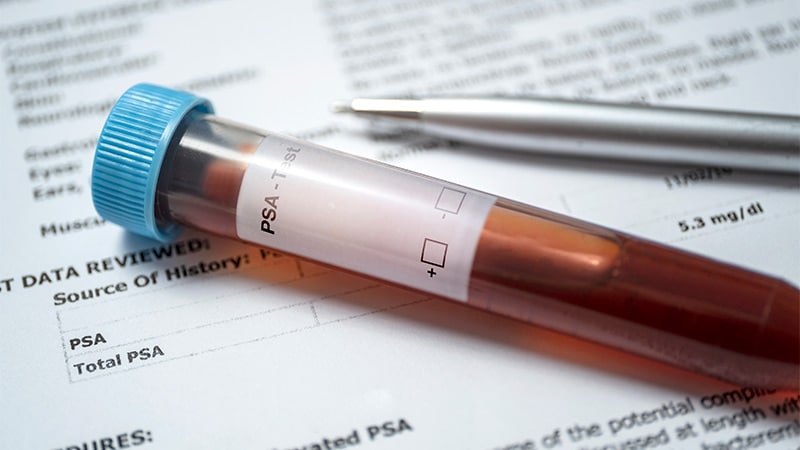
- Clinical guidelines emphasize that standard diagnostic blood tests (PSA) do not require a physical prostate examination to proceed.
- Early symptoms—such as urinary frequency or changes in flow—are often delayed until a tumor exerts mechanical pressure on the urethra.
The rising prevalence of prostate cancer serves as a critical indicator of the current public health landscape in Britain. According to data provided by Macmillan Cancer Support, the disease remains the most common form of cancer among men in the region. Dr. Anthony Cunliffe, lead medical adviser at the charity, notes that a pervasive misunderstanding regarding symptom presentation often delays necessary clinical consultation. “One of the biggest misunderstandings I hear is that feeling well means you cannot have prostate cancer,” Dr. Cunliffe stated. Because early-stage pathogenesis is often indolent and lacks overt clinical markers, patients are urged to discuss risk factors with their primary care physicians rather than waiting for symptomatic onset.
For those navigating these risks, connecting with specialized urology diagnostic centers is essential for early detection. Maintaining a clear line of communication with a healthcare professional ensures that patients can access appropriate screenings, particularly those with a family history or those of Black African or Black Caribbean descent, who face higher statistical risks of developing the disease earlier in life.
Diagnostic Protocols and Screening Controversies
The clinical approach to detection is currently under intense scrutiny. In May 2026, the UK National Screening Committee (UKNSC) issued a recommendation against universal population-based screening using the prostate-specific antigen (PSA) blood test. The committee cited the risk of over-diagnosis and subsequent overtreatment, suggesting that such broad measures may result in more harm than clinical benefit. However, this guidance is not absolute. The committee supports targeted screening for high-risk cohorts, including men with specific gene mutations, and has moved to expand clinical trials for Black men, who are statistically more likely to develop aggressive disease phenotypes.
The medical community remains divided on the optimal screening strategy. While some experts advocate for broad access, others emphasize the importance of informed decision-making. For patients concerned about these evolving standards, consulting with board-certified urological oncology specialists can provide clarity on individual risk profiles and the efficacy of current diagnostic pathways. These experts are equipped to explain the nuances of PSA testing and how it integrates with modern biopsy techniques and multiparametric MRI imaging.
Biological Mechanisms and Symptom Progression
Prostate cancer typically develops in the peripheral zone of the gland. In the early stages, the tumor is often too small to interfere with bladder function. As the malignancy progresses, it can cause mechanical obstruction of the urethra, leading to clinical symptoms such as hematuria, nocturia, or a sensation of incomplete bladder emptying. Because these indicators typically manifest only in more advanced stages, reliance on symptom-driven diagnosis is considered suboptimal by many clinicians.
Addressing the growing number of diagnoses requires a robust, proactive approach to healthcare infrastructure. As noted by Dr. Matthew Hobbs, director of research at Prostate Cancer UK, the increase in cases is multifaceted, driven by demographic shifts and improved diagnostic awareness. For B2B stakeholders and healthcare providers, managing this surge requires an audit of existing diagnostic capacity and referral pathways. Ensuring that accredited medical diagnostic facilities are positioned to handle increased testing volumes is a priority for maintaining standard-of-care protocols in an era of rising oncological demand.

The trajectory of prostate cancer care in the UK will likely depend on the success of ongoing clinical trials and the ability of the healthcare system to balance aggressive screening with the need to minimize morbidity. Future progress hinges on refining risk-stratification models to identify those who truly benefit from intervention while sparing others from unnecessary procedures. Patients and providers alike should remain engaged with the latest peer-reviewed findings to ensure that clinical decisions are grounded in the most current and robust evidence-based research.
Disclaimer: The information provided in this article is for educational and scientific communication purposes only and does not constitute medical advice. Always consult with a qualified healthcare provider regarding any medical condition, diagnosis, or treatment plan.