
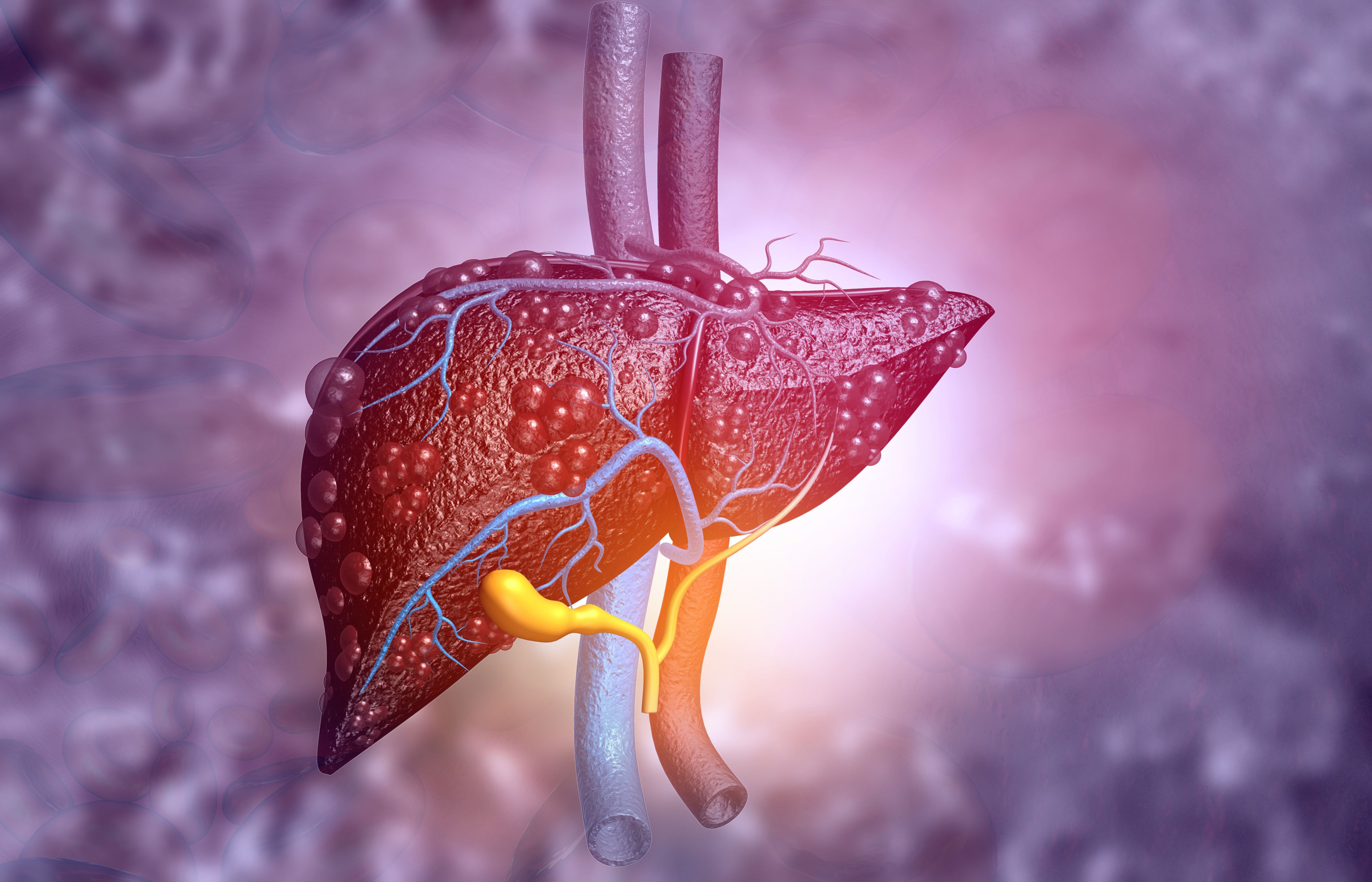
Fatty Liver Disease Common in Type 2 Diabetes Patients
A recent study suggests a strong link between type 2 diabetes and fatty liver disease, particularly for those also struggling with obesity. This research highlights the importance of screening and early intervention to prevent severe liver damage.
The Link Between Diabetes and Fatty Liver
Research from Linköping University discovered that a significant portion of individuals with type 2 diabetes (T2D) have fatty liver disease. According to their findings published in the *Journal of Internal Medicine*, six out of ten people with T2D also had this condition. The authors emphasized that individuals with T2D and obesity are at a higher risk of developing fatty liver, which could lead to serious liver problems.
Understanding MASLD
Metabolic dysfunction-associated steatotic liver disease (MASLD) is a prevalent, chronic liver disease characterized by excessive fat accumulation in the liver. It is frequently linked to obesity and T2D. Globally, MASLD affects 38% of the population, with a prevalence of 55% to 73% in those with T2D.
“Metabolic syndrome is a combination of factors leading to the body accumulating fat and not managing blood sugar levels in a good way. This entails an increased risk of developing secondary diseases, such as type 2 diabetes and cardiovascular diseases,”
—Wile Balkhed, PhD student at Linköping University and resident physician at Linköping University Hospital
Previous studies have established that T2D patients face increased MASLD risk. To investigate further, researchers conducted the EPSONIP study, evaluating MASLD and liver cirrhosis presence in 308 T2D patients from primary care.
Study Findings
The EPSONIP study utilized MRIs to assess various factors, including liver fat, cardiac function, muscle composition, and body fat distribution. Researchers examined MRI biomarkers and their correlation with advanced fibrosis and liver fat infiltration in patients with and without MASLD.
Results indicated that 59% of the 308 individuals had MASLD, 7% showed suspected advanced fibrosis, and 1.9% had cirrhosis. Compared to those without MASLD, individuals with the condition exhibited a higher body mass index and a greater prevalence of obesity. Higher amounts of visceral and abdominal subcutaneous fat, as well as muscle fat infiltration, were observed in those with MASLD. MRI scans also revealed decreased left ventricular stroke volume index and increased left ventricular concentricity. A multivariable analysis confirmed obesity’s link to an eightfold increased risk of fibrotic MASLD.
A 2023 study showed that up to 80% of people with type 2 diabetes have non-alcoholic fatty liver disease (National Institute of Diabetes and Digestive and Kidney Diseases).
Implications for Patient Care
The study’s findings emphasize the need to prioritize healthcare efforts for individuals with both T2D and obesity. Approximately 13% of this group exhibited early-stage liver scarring, a significantly higher proportion compared to the 2% in the T2D group without obesity. The study’s lead researcher, Balkhed, noted that screening for liver disease may be vital for managing type 2 diabetes.
