President Lee Urges Debt Relief to Prevent Suicides Among Financially Vulnerable
South Korean leadership ordered a sweeping overhaul of national debt relief systems on August 11, 2026, targeting long-term delinquent borrowers classified as suicide high-risk groups. According to reporting from Daum News, the presidential directive mandates that financial institutions and public entities systematically liquidate unpayable liabilities to prevent economic distress from triggering fatal outcomes.
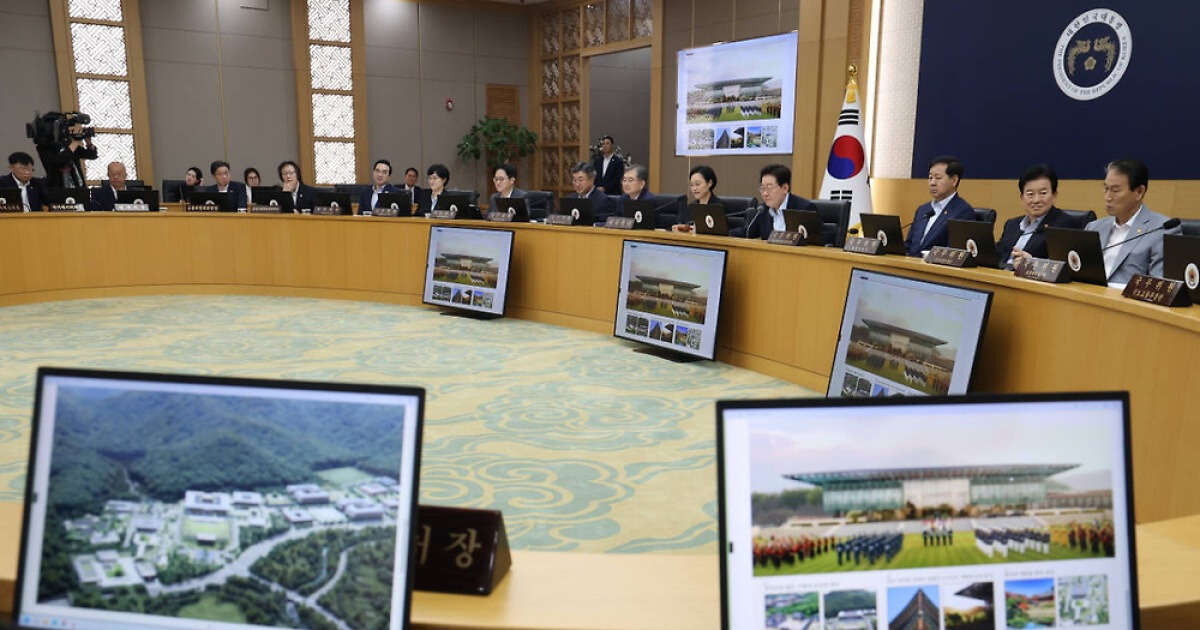
Financial distress sits at the core of national public health crises. Recent psychological autopsy data presented by Health and Welfare Minister Jeong Eun-kyung during a cabinet meeting at the Government Complex Sejong revealed that roughly 54 percent of suicide victims held active debt at the time of death. Furthermore, 78 percent of those individuals lived within households earning under two million won monthly. While overall suicide figures dropped by 12.3 percent—or 733 deaths—through May compared to the prior year, systemic liabilities remain a primary catalyst for acute financial distress.
Systemic Liquidation Versus Traditional Debt Collection
President Lee Jae-myung addressed this gap during the August cabinet meeting, criticizing the heavy reliance on aggressive debt collection. According to coverage by Gyeonggi Ilbo, the administration demands that state-backed agencies and private institutions actively discharge unrecoverable loans rather than packaging and selling bad debt to third-party collection agencies.
The president noted that professional loan operators consider a portion of debt entering non-performance states and handle those costs in advance, but actual liquidation processing remains too stingy.
Current administrative mechanisms rely partially on the ‘New Leap Forward Fund,’ which acquires long-term delinquent debt under 50 million won for individuals past a seven-year threshold. This fund evaluates repayment capacity before wiping obligations or adjusting terms. However, leadership insists that public institutions like the Korea Legal Aid Corporation, the Credit Counseling and Recovery Service, and commercial banks must independently execute systematic write-downs rather than inflicting prolonged collection trauma on insolvent borrowers.
Corporate Restructuring and B2B Financial Advisory Needs