
President Karol Nawrocki vetoes electoral Code changes
Karol Nawrocki vetoed three laws on October 15, 2026, including a nowelizacja of the Electoral Code.
The conflict centers on a proposed mechanism that would have allowed the National Electoral Commission (PKW) to announce the number of mandates in specific districts. President Nawrocki argued that this replaced statutory divisions with “official announcements” by bureaucrats, characterizing the changes as a reflection of “nervousness” among the ruling party and stating, there will be no juggling with elections
.
The vetoed Electoral Code changes, passed by the Sejm on September 4 and the Senate on September 24, also sought to lower the maximum number of residents per voting circuit from 4,000 to 3,000 and modify electoral administration. Nawrocki stated he has a “duty to think about the security of the state” during political conflict. While he blocked three laws, he signed eight others, including measures on electronic cigarettes and biogas.
Prezydent Karol Nawrocki odmówił podpisania ustawy o wykonywaniu orzeczeń ETPC – dokładnie tak, jak apelowało o to ponad 10 tysięcy podpisanych pod petycją „Brońmy Suwerenności” i jak rekomendował Instytut Ordo Iuris w opinii przekazanej Kancelarii Prezydenta.To także Wasz… pic.twitter.com/ec32uqTWal
PKW disputes presidential claims
Members of the PKW have strongly rejected the president’s reasoning. Ryszard Kalisz told Onet that the president is acting contrary to Article 96, paragraph 2 of the Constitution, which mandates that elections be equal. Kalisz explained that the proposed system would not be discretionary but automatic, utilizing the electronic Central Register of Voters to assign mandates based on voter numbers.
Kalisz further noted that the PKW and National Electoral Office are located in the same building as the Presidential Chancellery on Wiejska Street, suggesting that the president’s staff could have easily sought information on the matter from them.
Prezydent Karol Nawrocki zawetował ustawę strasburską! 🇵🇱✋To wielki sukces ponad 10 tysięcy osób, które podpisały petycję „Brońmy Suwerenności” – złożoną przez Instytut Ordo Iuris oraz Centrum Życia i Rodziny w Kancelarii Prezydenta RP. Dziś każdy z tych podpisów ma realną… pic.twitter.com/yABZEzAo2g
Constitutionalists reject president's arguments against legislative change
Prof. Ryszard Balicki, a PKW member and constitutionalist, stated that while the veto is a constitutional right, the president used “big and untrue words” against a change meant to restore constitutional standards. Balicki rejected the claim that there was too little time before elections for such changes, noting that the legislative silence period had not yet begun and that the Venice Commission allows for restoring constitutional standards during such times.
Prof. Jaroslaw Flis also described the president’s arguments regarding the number of mandates as a complete misunderstanding
, asserting that demographic correction is truly necessary.
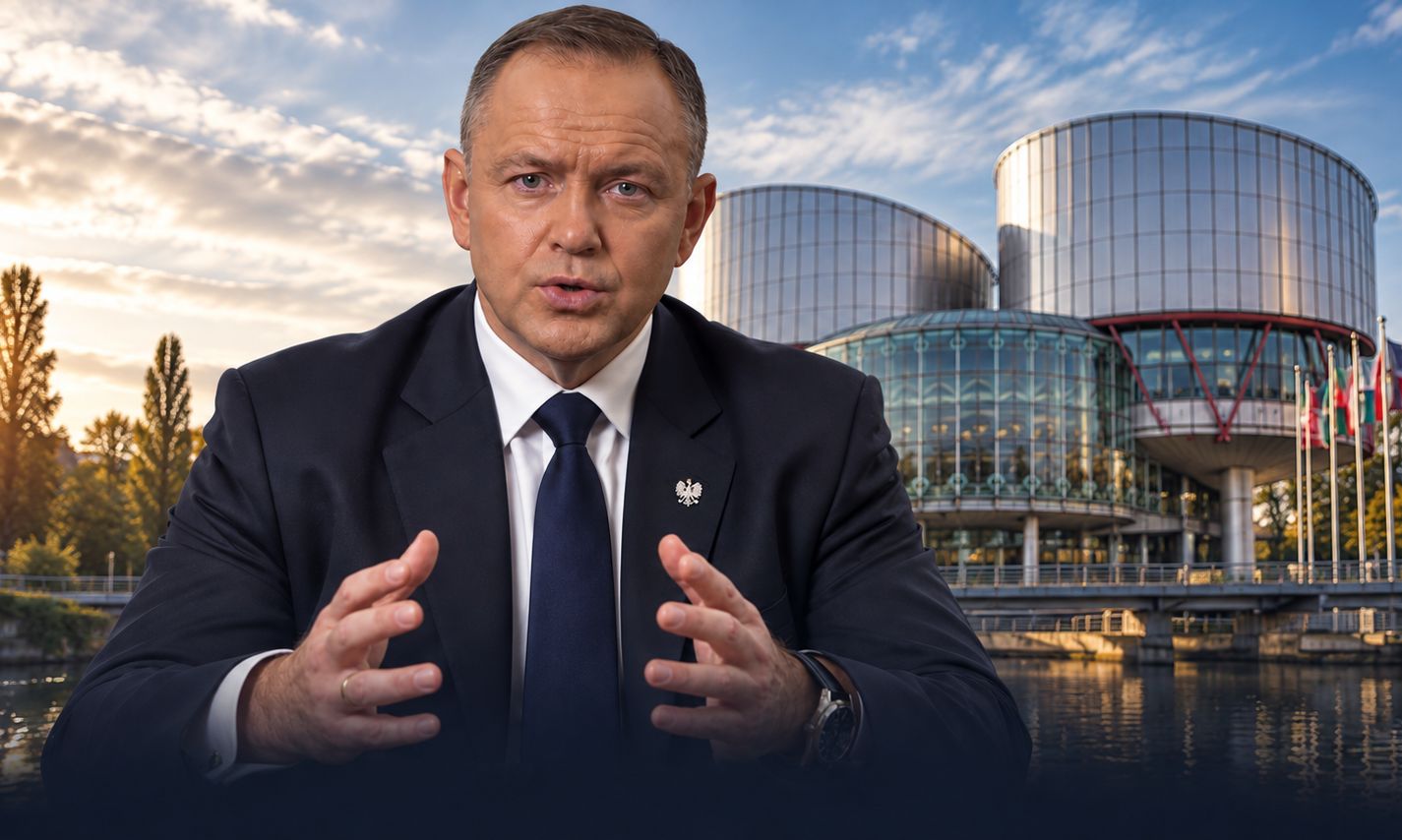
Flis added that the problem has been growing and that the rules for mandate correction are already present in the law.
Impact on seat distribution
The PKW has signaled the need for these changes for years, noting that the number of parliamentary mandates per district has not been adjusted for demographic changes since 2011. This has resulted in some districts having a significantly higher number of residents per member of parliament than others. In 2022, the PKW officially stated that the current distribution of mandates violates the Electoral Code.
Other Vetoed Legislation
Nawrocki also blocked a law on political advertising, citing “risk of excessive administration interference in public debate” and stating that freedom of speech does not mean a citizen speaks only what an official allows. He also vetoed a special law on executing European Court of Human Rights (ECHR) judgments. Prof. Ireneusz C. Kamiński noted that while ECHR rulings should be respected, “Strasburg is not always right” and argued that the process requires changes in court practice rather than new regulations.