
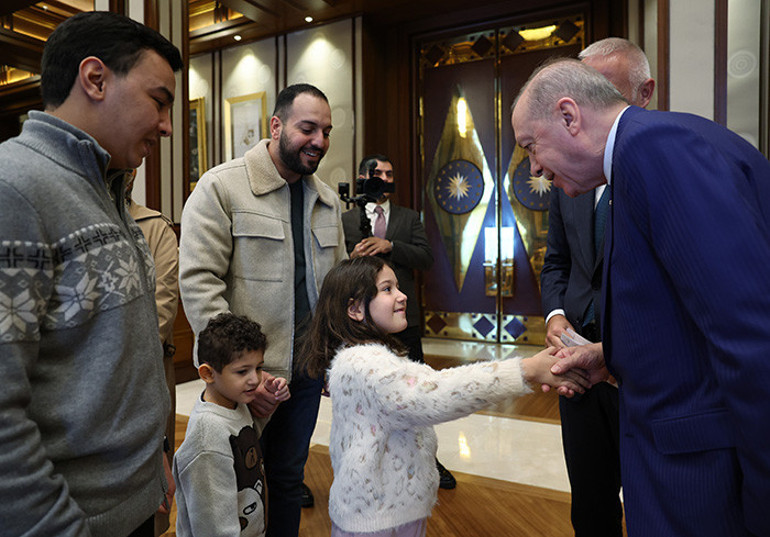
President Recep Tayyip Erdoğan is now at the center of a structural shift involving the humanitarian narrative of the Gaza conflict. The immediate implication is an enhanced ability to shape regional diplomatic discourse and domestic political legitimacy.
The Strategic Context
Turkey has long positioned itself as a vocal advocate for Palestinian rights, leveraging its Ottoman legacy and sizable domestic constituency that sympathizes with the Palestinian cause. Within the broader multipolar environment, Ankara seeks to balance its NATO commitments, its rapprochement with the Gulf states, and its aspiration to act as a regional mediator. The ongoing Israel‑Gaza war has intensified global scrutiny of civilian casualties, creating a diplomatic space where humanitarian framing can translate into soft power gains. Turkey’s cultural diplomacy, exemplified by state‑sponsored film screenings and high‑profile meetings, is a tool to amplify this narrative across both domestic and international audiences.
Core Analysis: Incentives & constraints
Source Signals: The President received the family of a 6‑year‑old Palestinian child killed in Gaza; the meeting was preceded by a visit from the minister of Culture and Tourism; a special film screening about the child’s story was held at the Presidential Complex; the Minister publicly framed the incident as a “call to conscience” and pledged ongoing cultural advocacy.
WTN Interpretation:
- Incentives: Erdoğan aims to reinforce his domestic legitimacy by aligning with public sentiment on the Palestinian issue, while signaling to regional actors that Turkey remains a champion of humanitarian concerns. The cultural event serves to embed the narrative in Turkey’s soft‑power portfolio, perhaps opening channels for diplomatic outreach to countries critical of Israel’s actions.
- Leverage: Turkey can use the humanitarian framing to justify diplomatic initiatives, such as mediation offers or humanitarian aid channels, thereby increasing its relevance in any post‑conflict settlement discussions. The high‑visibility meeting also provides a platform to rally support from non‑aligned states and civil society networks.
- Constraints: turkey’s NATO membership and its strategic ties with the United States limit the extent to which it can overtly challenge Israeli policy without risking security cooperation. Economic interdependence with European markets also tempers aggressive posturing. Domestically, the government must balance nationalist expectations with the need to maintain broader economic stability.
WTN Strategic Insight
“Humanitarian symbolism is becoming Turkey’s diplomatic currency, allowing Ankara to punch above its weight in regional negotiations while reinforcing internal political cohesion.”
Future Outlook: Scenario Paths & key Indicators
Baseline Path: If the Gaza conflict remains at its current intensity and international attention on civilian casualties persists, Turkey will continue to amplify humanitarian narratives through cultural events and diplomatic engagements, seeking a modest but steady increase in its mediation role and soft‑power influence.
Risk Path: If the conflict escalates or a major diplomatic rupture occurs between Turkey and its Western allies (e.g., over sanctions or arms sales), Ankara may adopt a more confrontational stance, using the humanitarian narrative to justify broader regional initiatives, which could heighten tensions with NATO partners.
- Indicator 1: Schedule of Turkish diplomatic missions to the Middle East and any announced mediation offers in the next 3‑6 months.
- Indicator 2: Statements from NATO or U.S. officials regarding Turkey’s stance on the Gaza conflict, especially any shifts in defense cooperation discussions.
